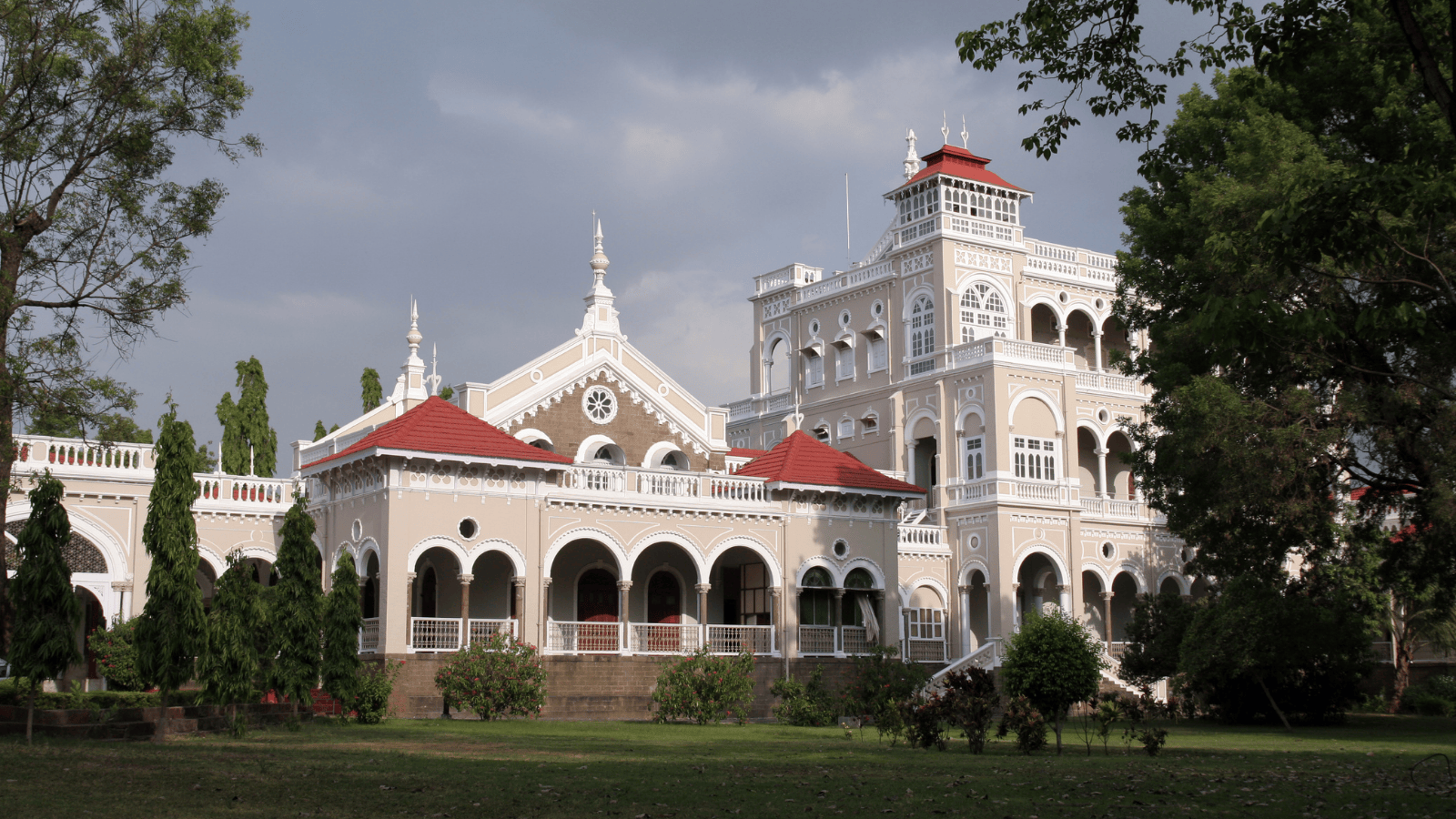
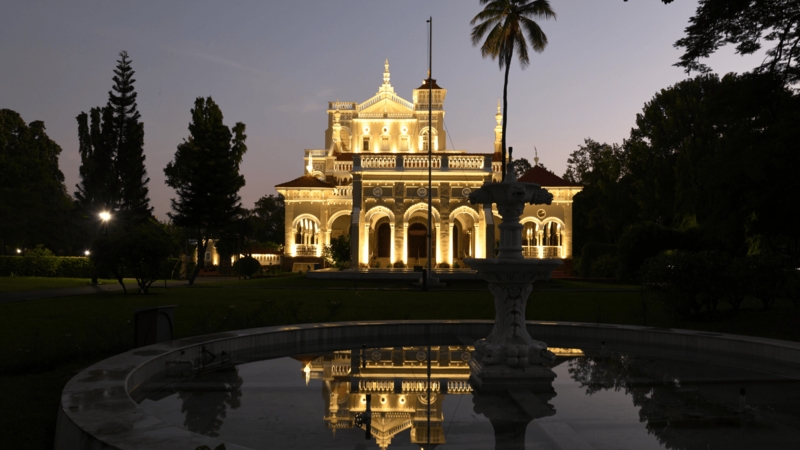
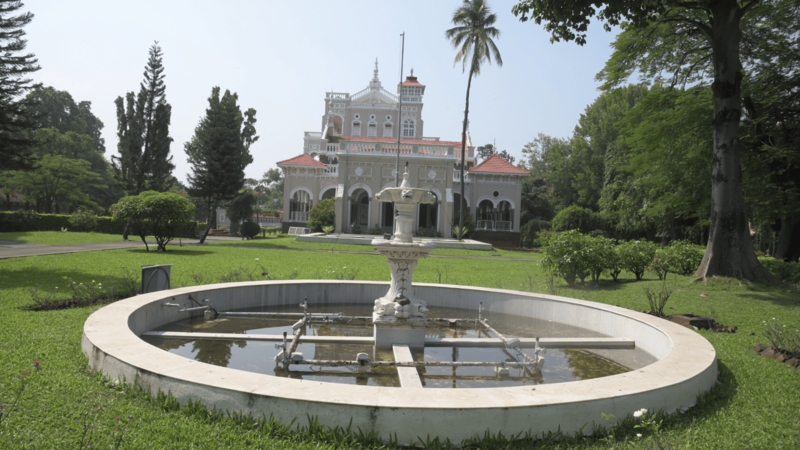
The Aga Khan Palace in Pune, Maharashtra, constructed in 1892 by Sultan Muhammed Shah Aga Khan III, is an elegant monument associated with both philanthropy and the Indian freedom struggle. Built during a period of famine to provide employment, it occupies sixteen acres of landscaped grounds enriched with refined carvings and architectural detailing.
Historical Background
Completed after five years of work at a cost of twelve lakh rupees, the palace gained national prominence when it became the site of the house arrest of Mahatma Gandhi, Kasturba Gandhi, Mahadev Desai, and others following the launch of the Quit India Movement on 9 August 1942 C.E. Kasturba Gandhi and Mahadev Desai passed away here, and their samadhis were created within the complex. In 1969 the palace was donated by Prince Karim Shah Aga Khan as a tribute to Gandhi’s ideals.
Location and Significance
Situated in the historic urban setting of Pune, the palace reflects both humanitarian intent and the political history of modern India. Its association with leaders of the freedom struggle endows it with enduring national significance.
Architectural Materials and Design
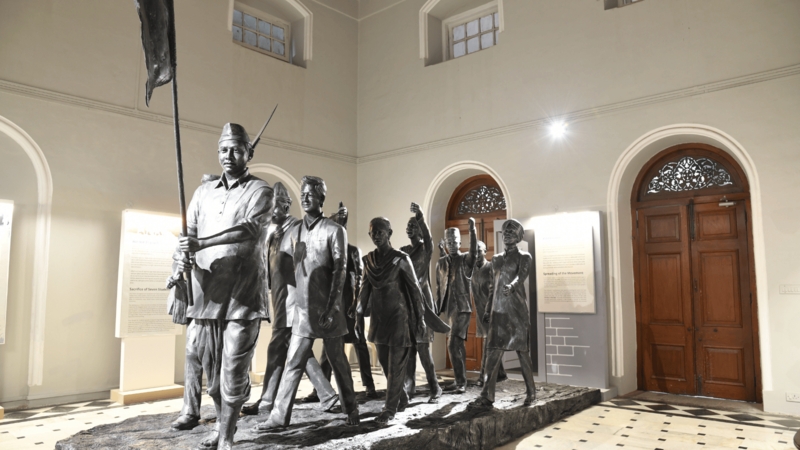
The palace features spacious halls, arcaded verandas, intricate decorative work, and expansive gardens. A museum inside preserves photographs and memorabilia that document events connected to the freedom movement, reinforcing the site’s commemorative role.

 Ticket needed for all ages
 Entry allowed for all ages
 Kid friendly
 Pets not allowed
 Free water stations
 Washrooms available
 Wheelchair accessible