
Ajanta Caves
About the venue
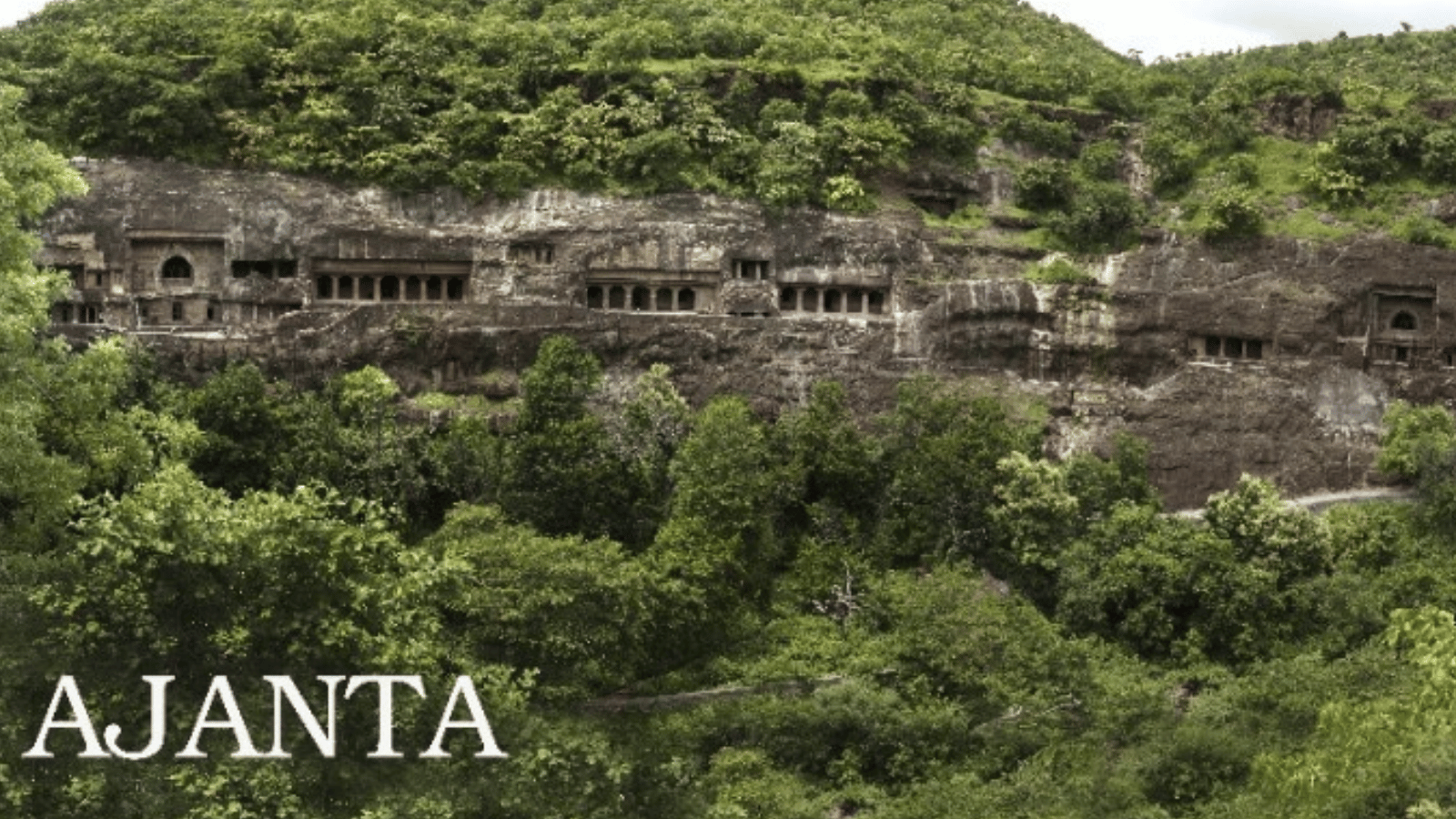
The Ajanta Caves in the Aurangabad district of Maharashtra constitute a UNESCO World Heritage Site noted for its outstanding preservation of ancient Indian artistic traditions. Comprising thirty rock cut sanctuaries, the complex reflects nearly eight centuries of cultural development and remains a significant monument of Buddhist religious expression and artistic achievement.
Historical Background
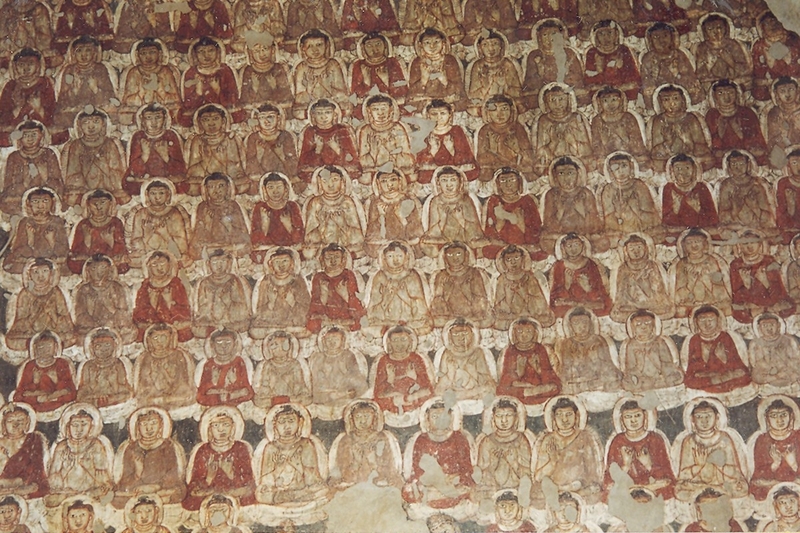
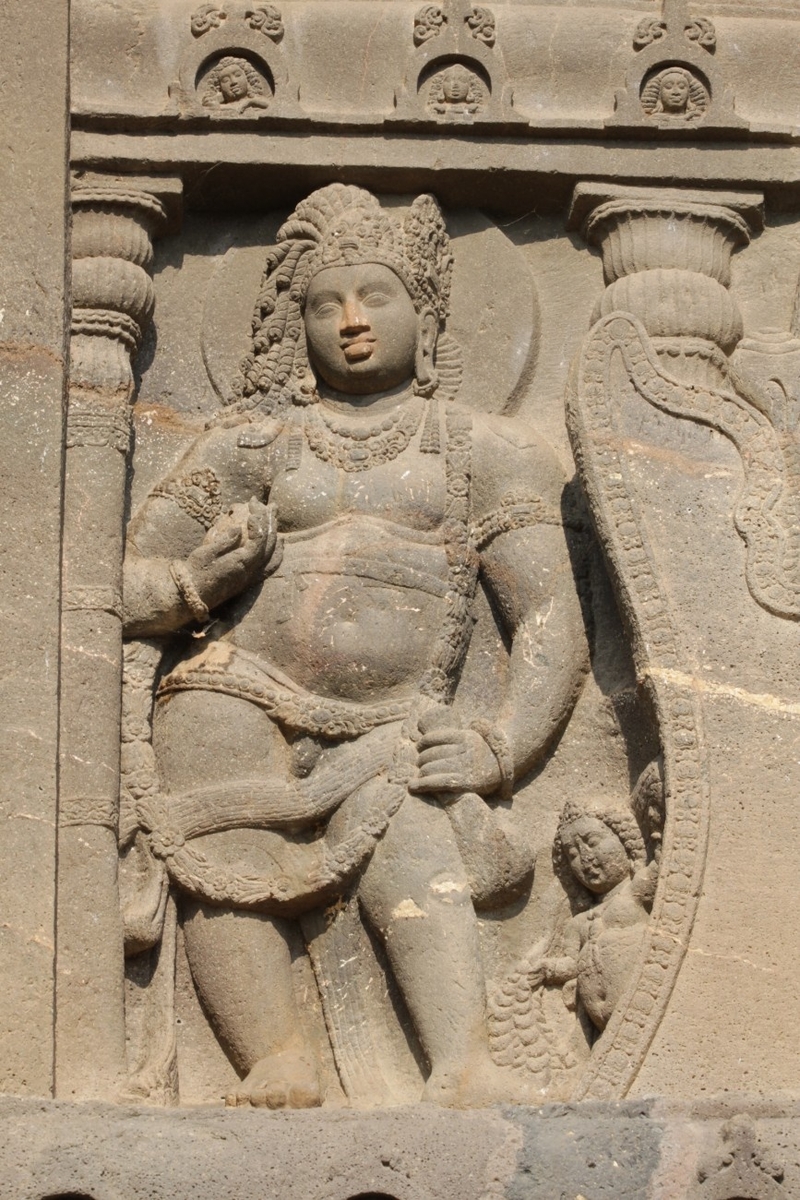
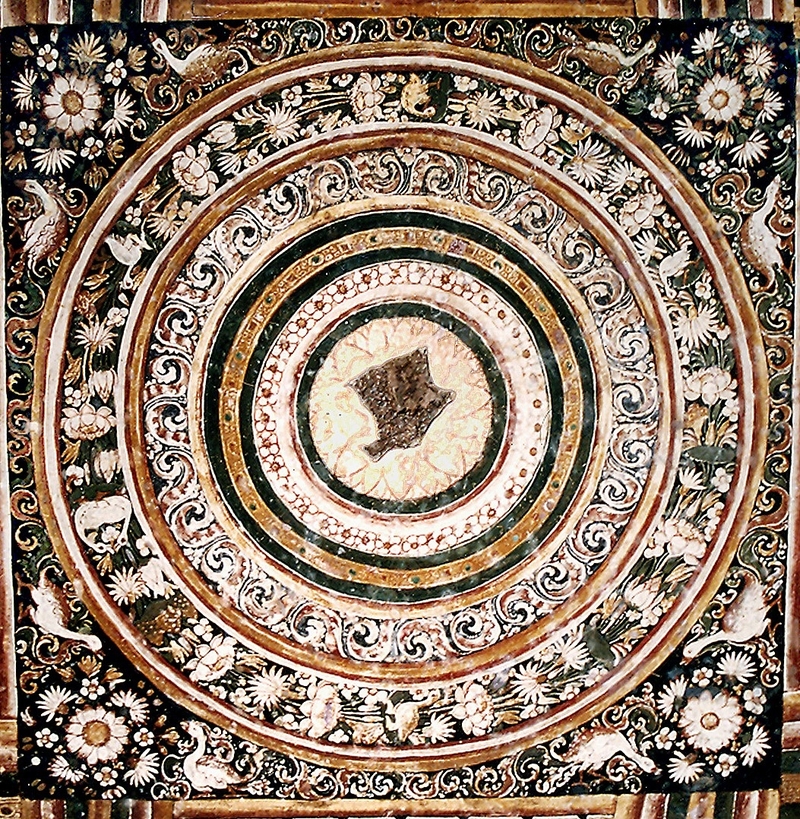
Created between the 2nd century C.E. and the 7th century C.E., the caves evolved in two phases known as the Hinayana and Mahayana traditions. The Hinayana phase includes caves 8, 9, 10, 12, 13 and 30, marked by simplicity, sparse murals, and aniconic worship. These caves imitate wooden structural forms through non functional rafters and beams. The later Mahayana phase, dating from the 5th to 7th century C.E., features elaborate sculptural programmes and murals in tempera illustrating episodes from the life of the Buddha.
Location and Significance
Situated near the village of Ajanta in Maharashtra, the caves were brought to wider attention in the early nineteenth century by British soldiers. They have since served as an essential resource for scholars of art history, archaeology and Buddhism, while also attracting global visitors due to their cultural and spiritual importance.
Architectural Materials and Design
Carved into basalt cliffs, the site consists of viharas, or monastic residences, and chaityagrihas, or prayer halls. Together these structures demonstrate refined craftsmanship and offer a compelling representation of the architectural and artistic heritage of ancient India.