
Ancient Palace Leh
About
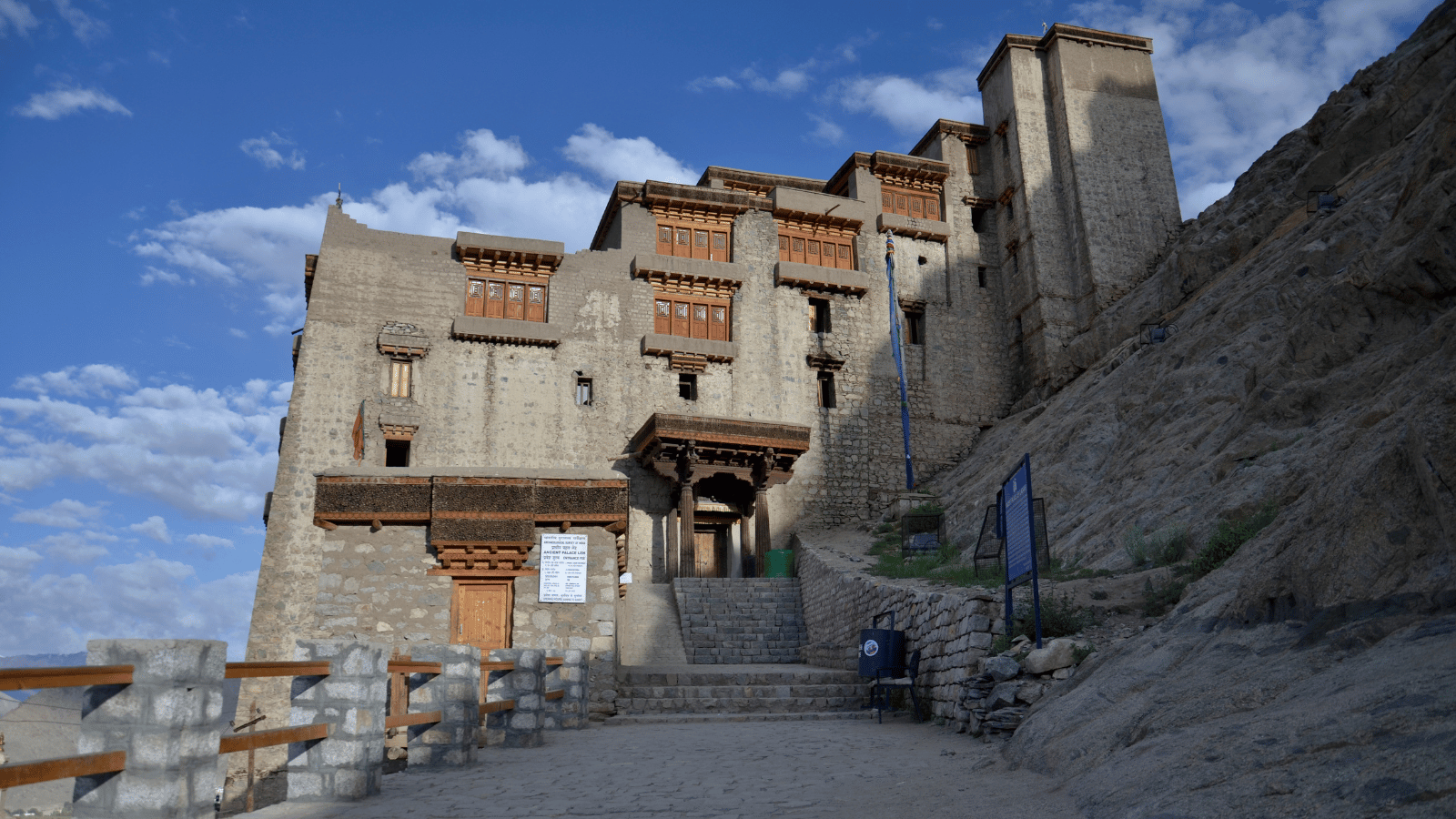
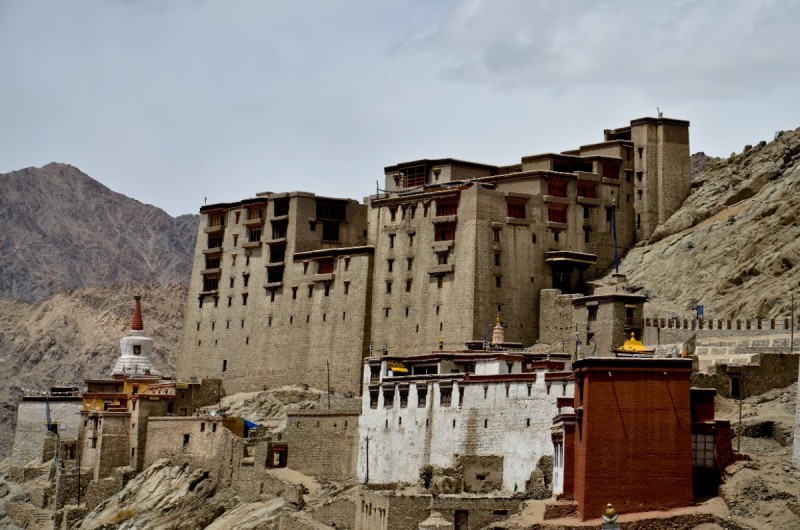
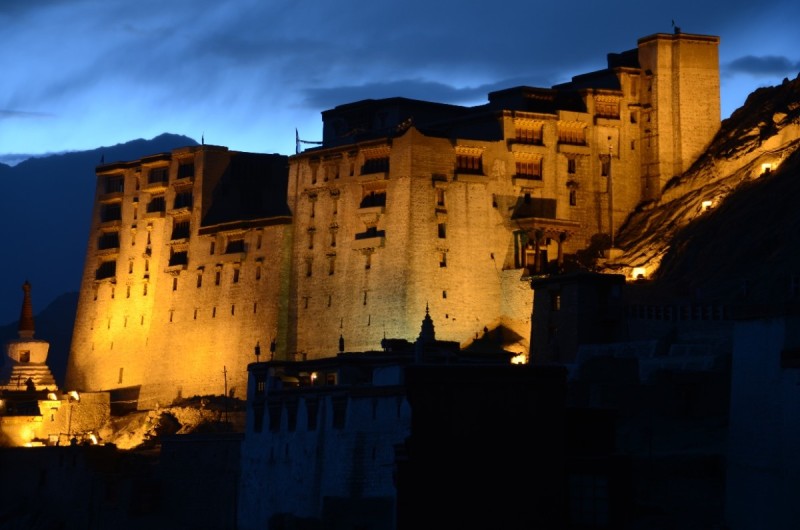
The Ancient Palace of Leh is a remarkable example of Himalayan architecture, reflecting the cultural and ceremonial life of the Buddhist kings of Ladakh. Its design, structural ingenuity, and artistic detailing highlight the sophistication of Himalayan craftsmanship.
Historical Background
Constructed circa 1625 C.E. by King Senge Namgyal, the palace served as the royal residence and ceremonial hub. Over time, it witnessed the Dogra invasion and periods of neglect. In 1982, the Archaeological Survey of India declared it a Monument of National Importance and undertook restoration to return it to its former grandeur.
Location and Significance
Situated in Leh, Ladakh, the palace occupies a commanding position overlooking the town. It remains a key heritage site, offering insight into Ladakhi culture, royal traditions, and Himalayan Buddhist architectural principles.
Architectural Materials and Design
Built with local stones, sun-dried mud bricks, and wood from juniper, poplar, and willow trees, the nine-storey palace features progressively larger windows on each upper floor. The eastern entrance, through the elaborately decorated Singe-sgo or Lion Gate at the second storey, leads to over a hundred rooms. The fourth-level courtyard, Khatok Chhenmo, hosted social and cultural ceremonies. The royal shrine houses the image of Prajnaparamita, locally known as Dukar, adding spiritual significance to the palace complex.


What you’ll experience
Nine-storey palace, ceremonial halls and royal shrines.
Special attractions
Singe-sgo Lion Gate, Khatok Chhenmo courtyard and Dukar shrine.
Perfect for
Visitors fascinated by royal history, striking architecture and rich cultural traditions.


Gallery