Buddhist Remains Vaishali (Kolhua)
About
The Vaishali Buddhist site is a distinguished landmark reflecting both historical and religious significance. The complex preserves the memory of key events associated with Buddha, attracting devotees and heritage enthusiasts alike.
Historical Background
The site includes the Ashokan pillar, locally known as Kolhua Lat, an 11.00 m high monolithic sandstone column with a seated lion and characteristic Mauryan polish. King Ashoka erected brick stupas commemorating the monkey chief who offered honey to Buddha. Excavations have revealed numerous antiquities, including beads of semi-precious stones, terracotta figurines, seals, potsherds, and a unique terracotta crowned monkey.
Location and Significance
Situated on the outskirts of Vaishali, Bihar, the site is central to Buddhist heritage and pilgrimage. Its monuments, including stupas, pillar, Kutagarshala, and monasteries, provide insight into early Buddhist architecture and the spiritual practices of the region.
Architectural Materials and Design
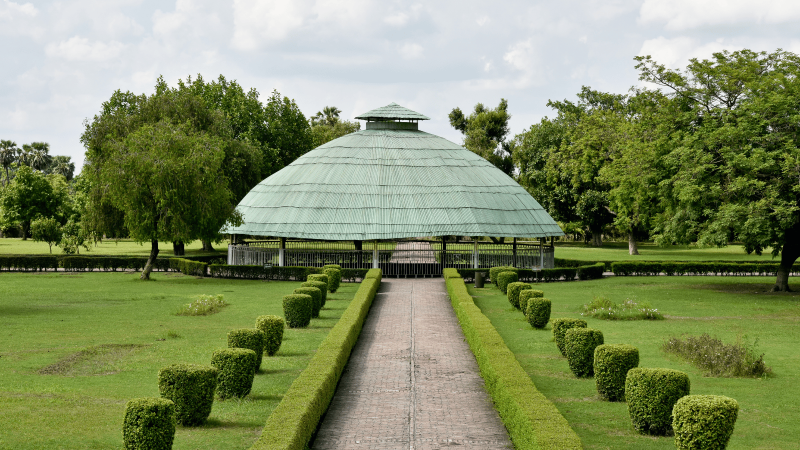
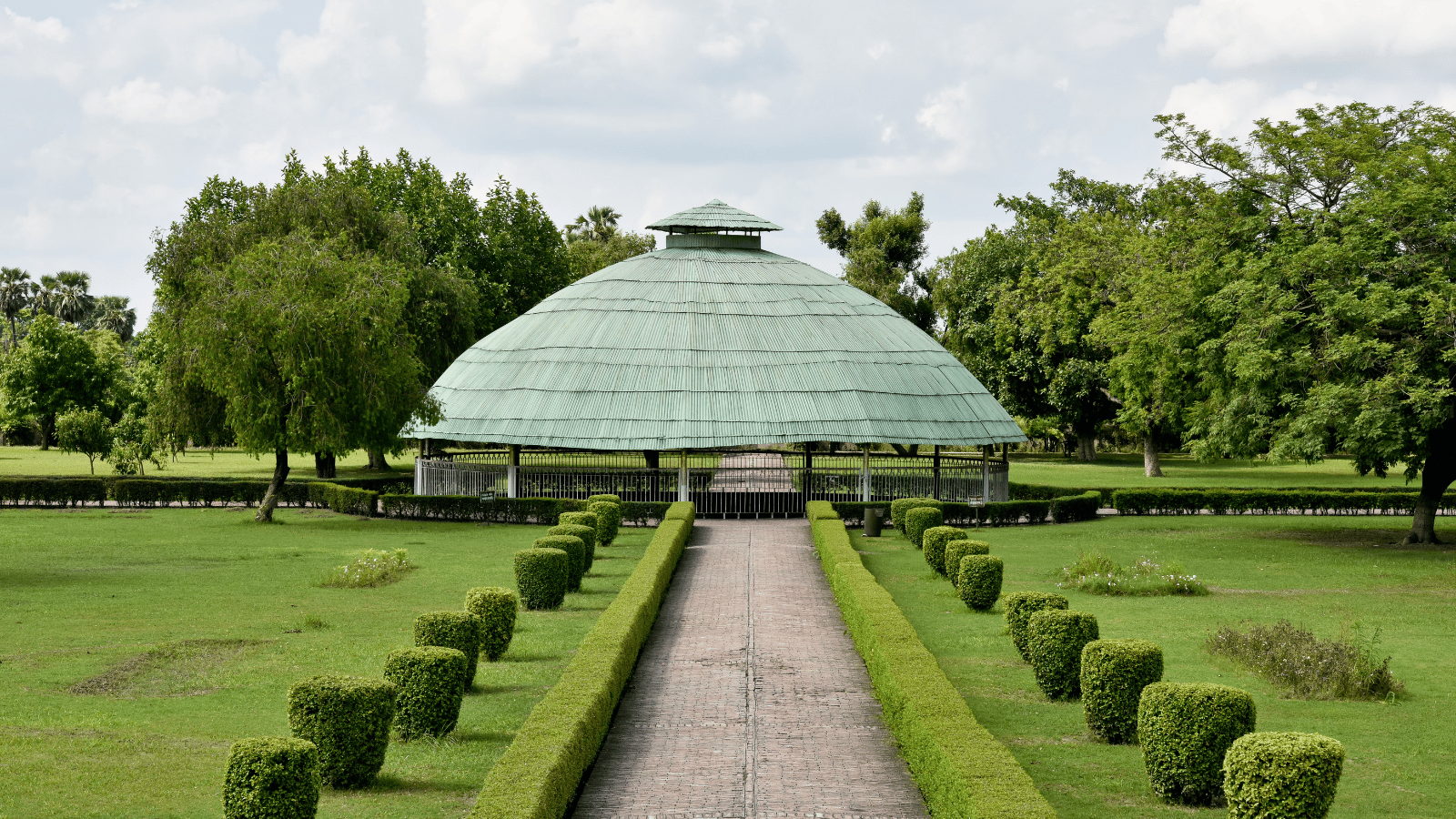
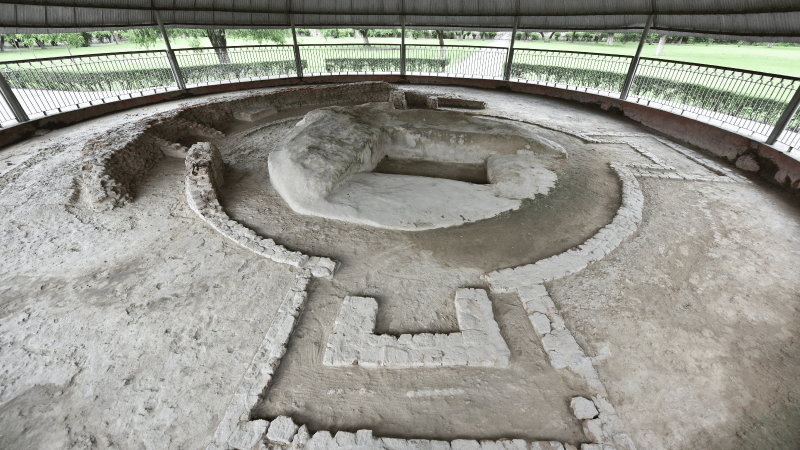
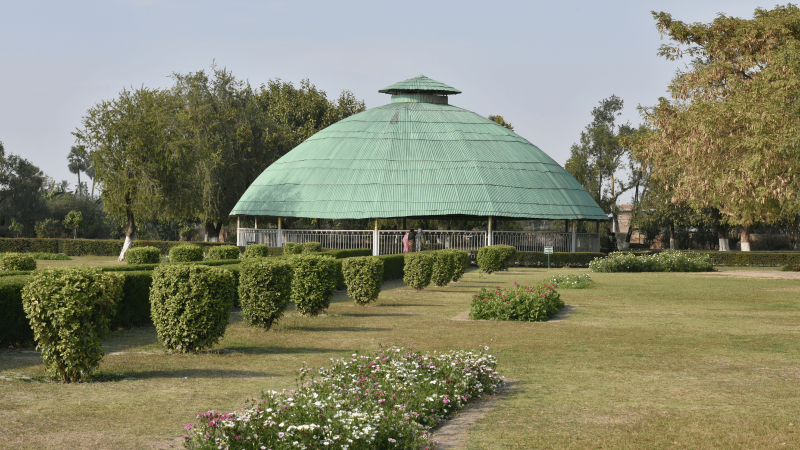
The site features a stupa north of the Ashokan pillar, a large terraced rectangular tank known as Markat Hridaya, and the Kutagarshala where Buddha preached during the rainy season. A twelve-cell swastika-shaped monastery with a central courtyard and verandah lies west of the tank. Numerous votive stupas surround the main stupa, forming a coherent sacred layout emblematic of Mauryan and early post-Mauryan Buddhist architecture.


What you’ll experience
Ancient stupas, Ashokan pillar and Buddha’s historic preaching sites.
Special attractions
Kutagarshala monastery, terracotta crowned monkey and votive stupas.
Perfect for
Buddhism devotees, history buffs and archaeology enthusiasts.


Gallery