Vikramshila was one of the three preeminent Buddhist monasteries of India during the Pala Empire, alongside Nalanda and Odantapuri. Established in the 8th century C.E. by Dharmapala of the Pala dynasty, it served as a center of learning, scholarship, and spiritual practice, attracting monks and students from across the region.
Historical Background
Located at present-day Antichak in Bihar, the monastery flourished under Pala patronage as a hub for Buddhist education. Excavations revealed its significance as a religious and scholarly institution, highlighting Dharmapala’s vision of promoting Buddhist teachings. The site also demonstrates interaction with Brahmanical traditions, as seen in the discovered sculptures and artifacts, reflecting the syncretic cultural environment of the period.
Location and Significance
Situated in Bihar, Vikramshila was strategically established to serve as a premier center of learning in eastern India. Its ruins today provide insight into monastic life, pedagogy, and the architectural sophistication of Buddhist institutions during the Pala era.
Architectural Materials and Design
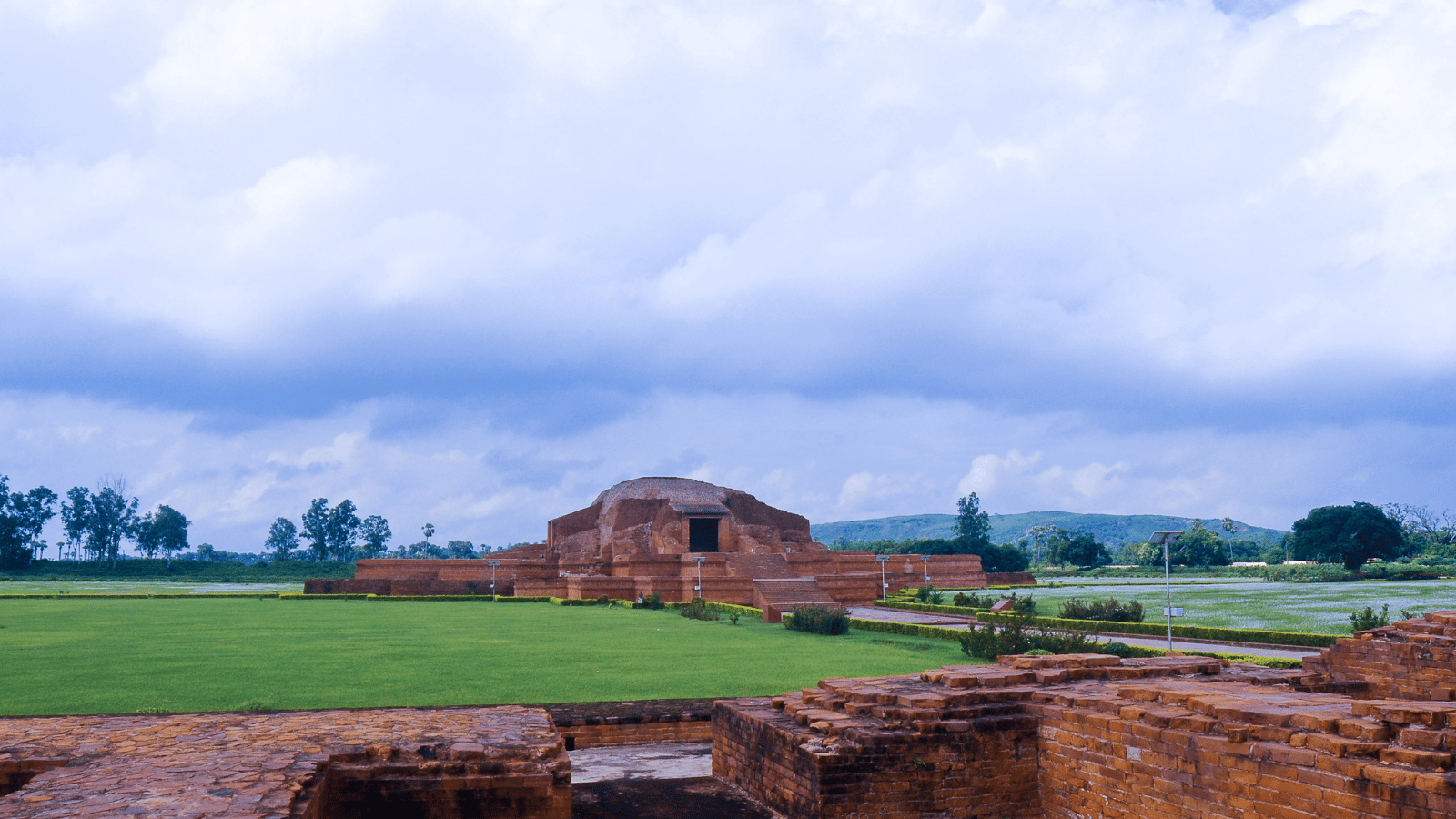
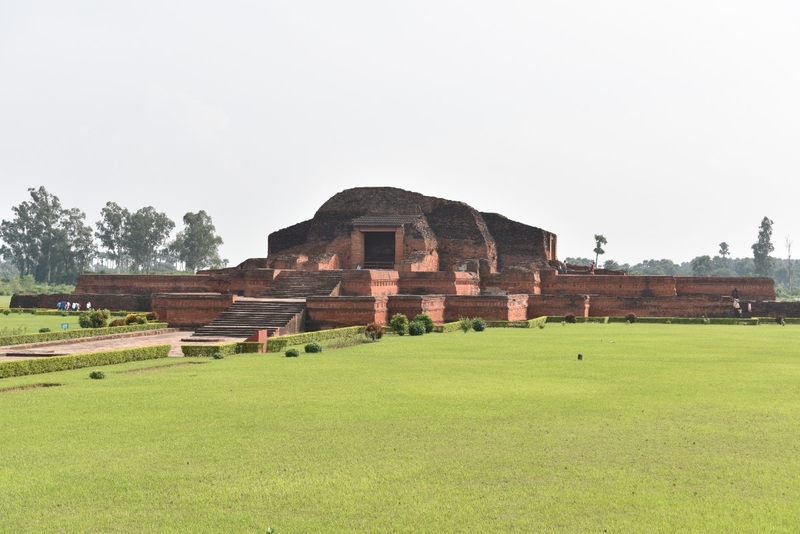
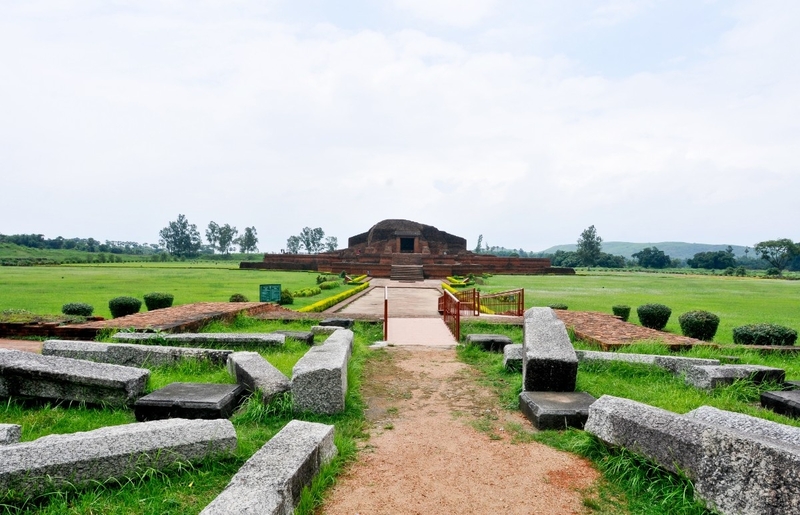
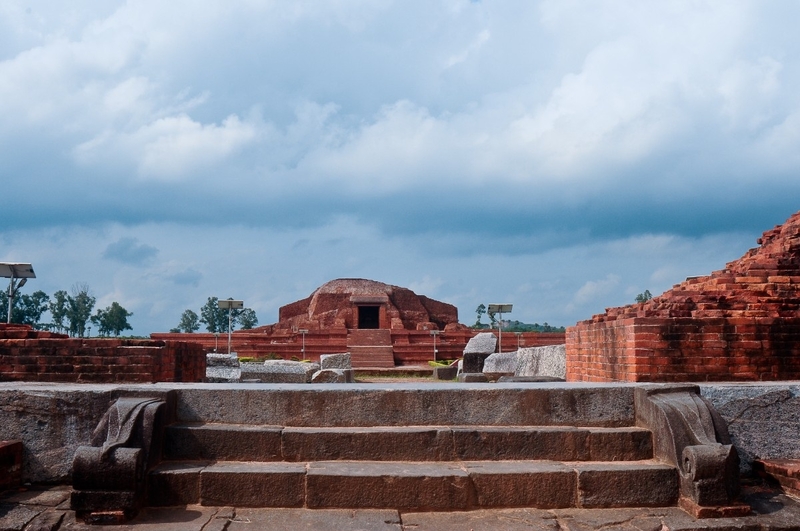
The monastery was a large square complex with a projected entrance. Excavations exposed fifty-five cells, including underground chambers. At the center stood a tiered brick stupa with walls adorned in terracotta plaques and pradakshina paths. Four cardinal chambers once housed colossal Buddha images. Remains of a library and numerous stone sculptures of Buddhist and Brahmanical deities highlight the complex’s architectural and cultural grandeur.

 4.3•
4.3•
 Ticket needed for all ages
 Entry allowed for all ages
 Kid friendly
 Pets not allowed
 Free water stations
 Washrooms available
 Vijay Poddar
 Niranjan Kumar
 Manish Chaudhary