
Archaeological Museum Halebidu
Wed, 7 Oct onwards, Multiple Dates
Archaeological Museum - Halebeedu, Halebeedu · 8492.3 km away
 4.4•
4.4•
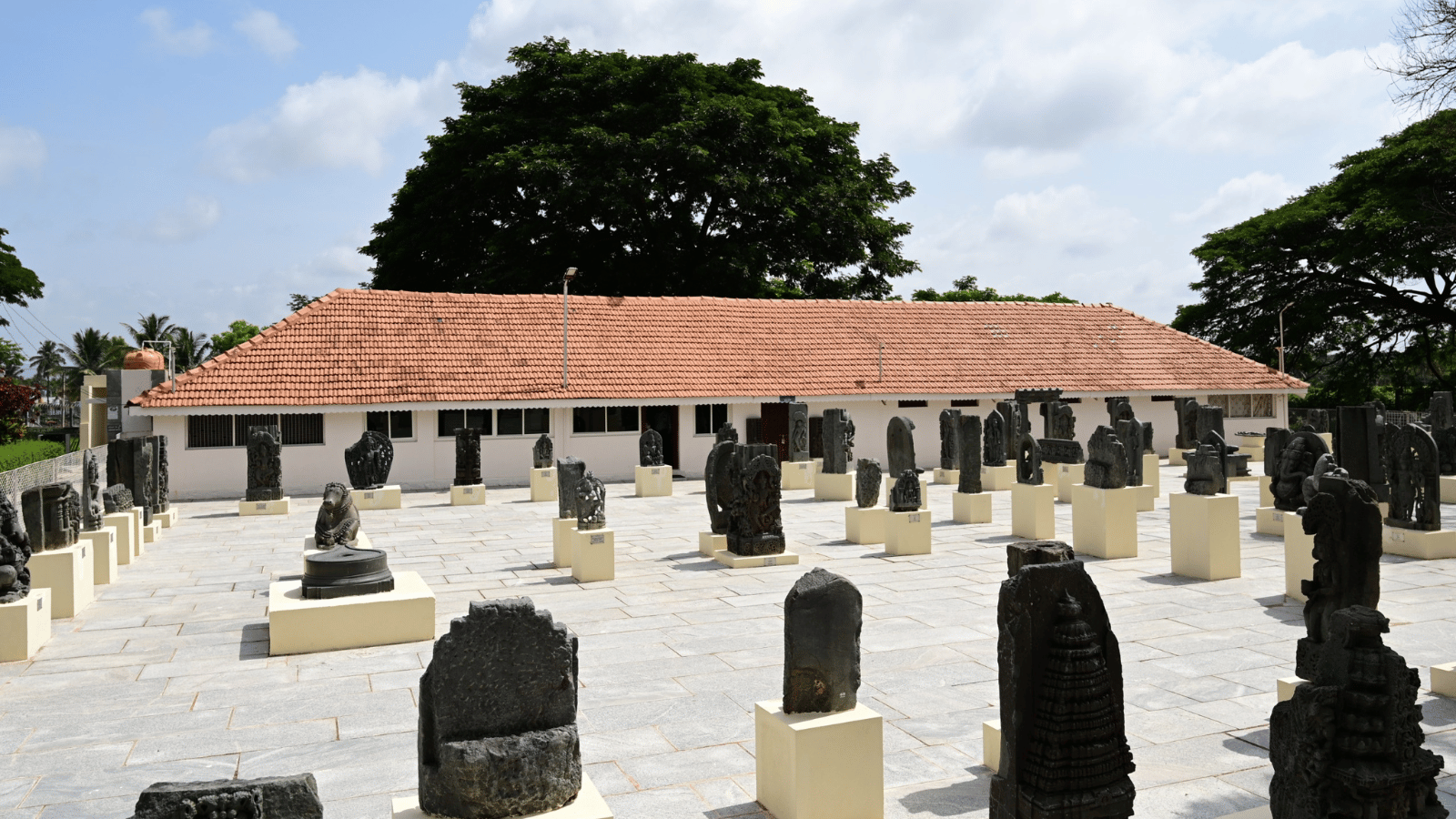
Things to know Ticket needed for all ages
 Entry allowed for all ages
 Kid friendly
 Pets not allowed
 Free water stations
 Washrooms available
What visitors say
4.4| Rohan Mahantesh
 Premz View
 sai krishna
 Ravi Keerthi
 Sushil Rathi
Organized by

Archaeological Survey of India
90%liked
154events
8 monthshosting
More

Frequently asked questions

Terms and Conditions
₹5
onwards



By accessing this page, you confirm that you have read, understood, and agreed to our Terms of Service, Cookie Policy, Privacy Policy, and Content Guidelines. All rights reserved.


