Archaeological Site Museum Old Goa
About
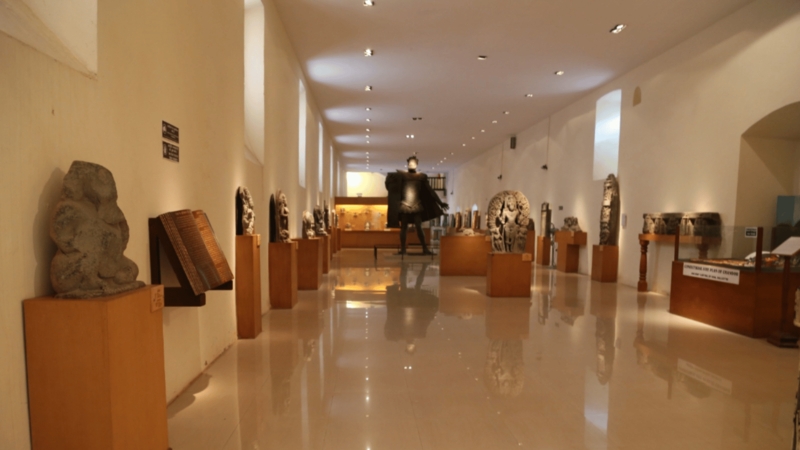
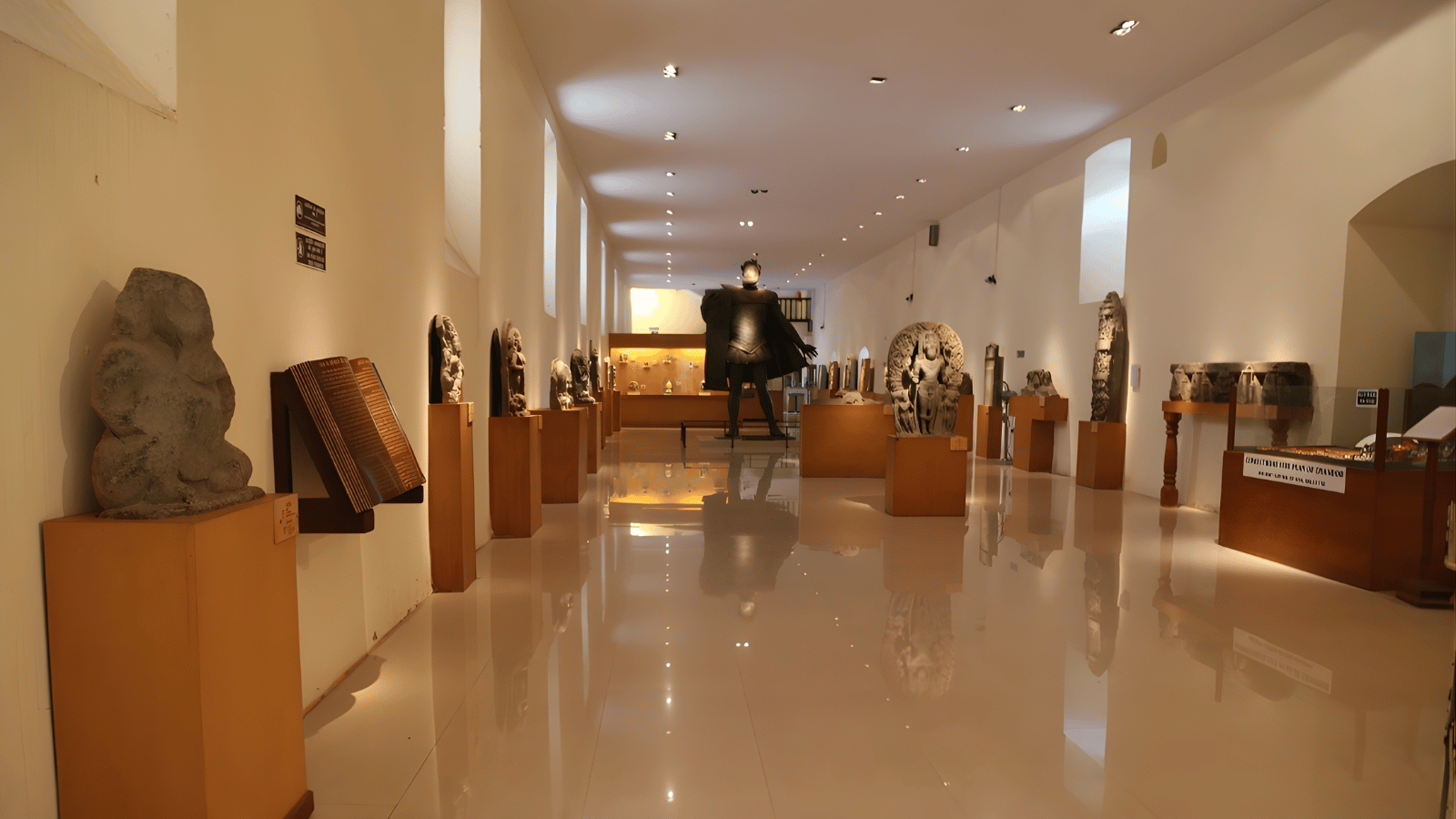
The Archaeological Museum at Old Goa is housed in the former convent of St. Francis of Assisi, beside the church of the same name. Established by the ASI in 1964, it preserves material from Goa’s colonial and pre colonial history with emphasis on Portuguese rule and Christian art. Its eight galleries and central hall present a continuous record from the 3rd century BCE to the late Portuguese period, illustrating transformations in politics, faith, and cultural expression.
Collections
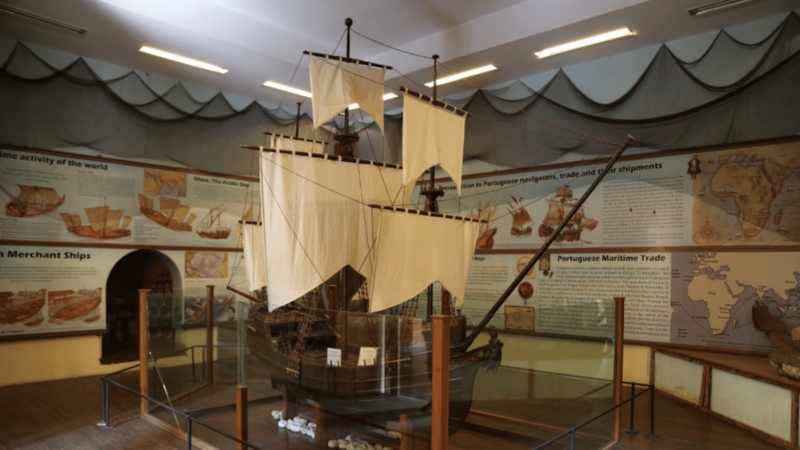
The museum exhibits sculptures, paintings, inscriptions, coins, and religious objects. Distinctive displays include portraits of Portuguese viceroys, bronze statues of Christian saints, and carved wooden panels from regional churches. A statue of Luis Vaz de Camoes and a large bronze of Afonso de Albuquerque stand among its major highlights. Earlier Hindu sculptures of Surya, Vishnu, and Shiva demonstrate the region’s enduring diversity. The museum also interprets Goa’s shift from a Hindu kingdom to a Portuguese colony and its connections to maritime trade and missionary activity.


What you’ll experience
Colonial era galleries tracing Goa’s history from ancient times to Portuguese rule.
Special attractions
Portraits of Portuguese viceroys, bronze Christian statues and colonial artifacts.
Perfect for
Visitors interested in Goa’s colonial history, Christian art, and cultural transitions


Gallery