
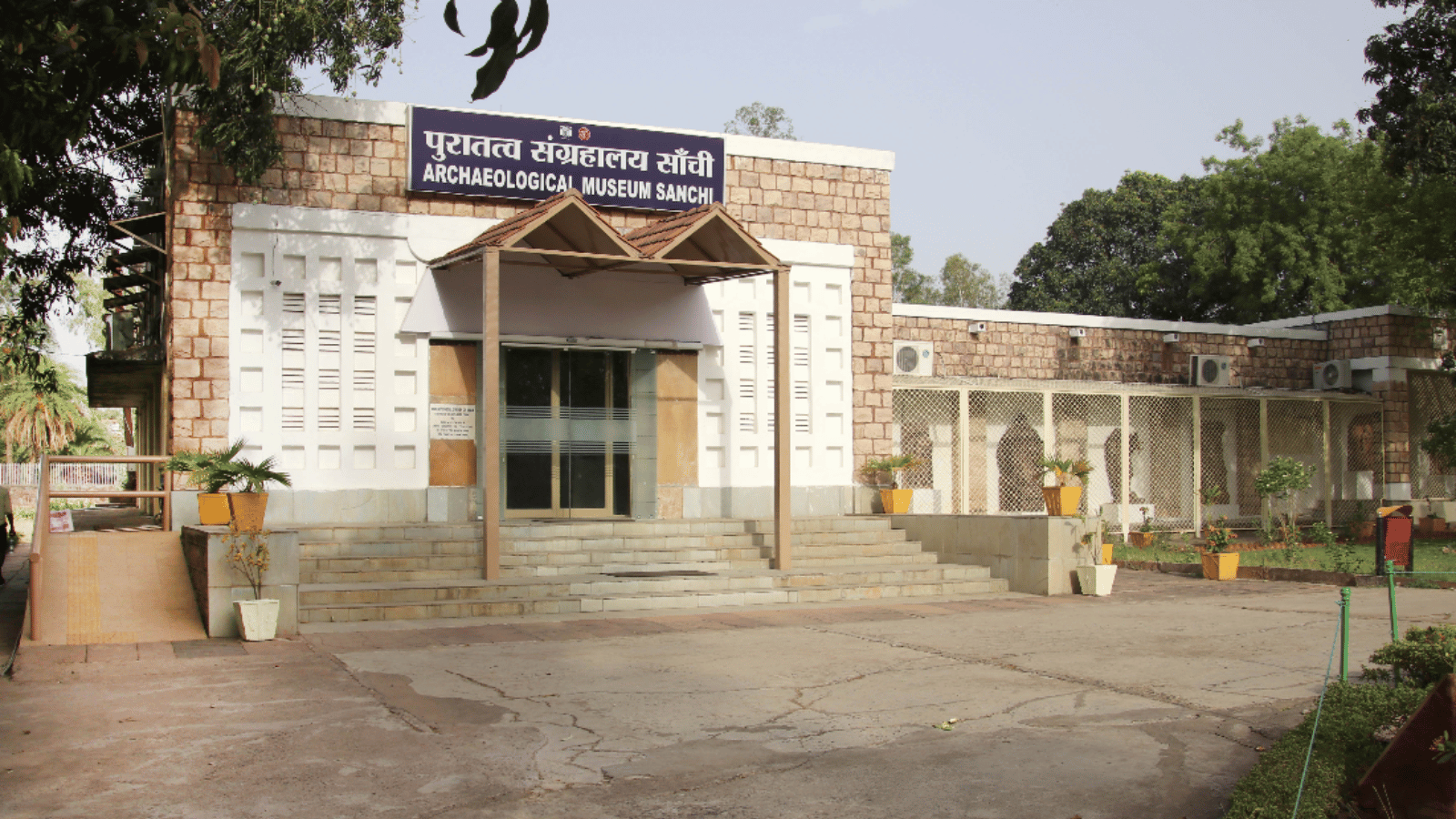
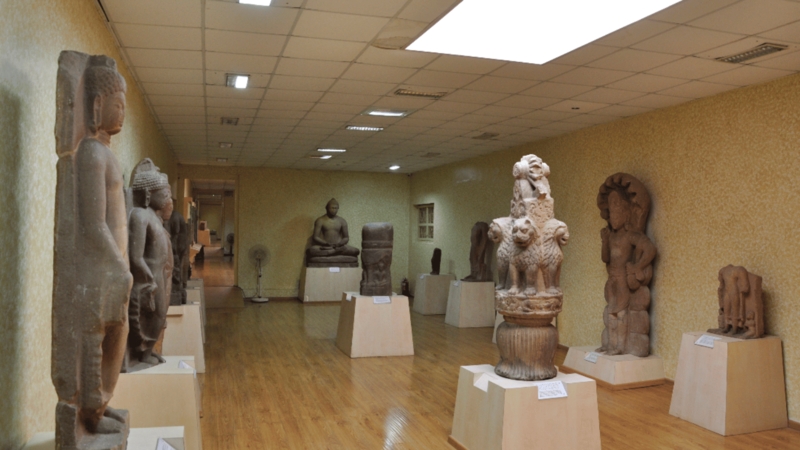
Archaeological Site Museum Sanchi
.
Sanchi Archaeological Museum, Sanchi · 8758.7 km away
 4.5•
4.5•
.·.·.·
Things to know Ticket needed for all ages
 Entry allowed for all ages
 Kid friendly
 Pets not allowed
 Free water stations
 Washrooms available
What visitors say
4.5| Vijay Shrivastav
 Deepansh
 Neil Fernandes
 Jess D
 Shriram Joshi
Organized by

Archaeological Survey of India
90%liked
165events
10 monthshosting
More

Frequently asked questions

Terms and Conditions
₹5
onwards



By accessing this page, you confirm that you have read, understood, and agreed to our Terms of Service, Cookie Policy, Privacy Policy, and Content Guidelines. All rights reserved.


