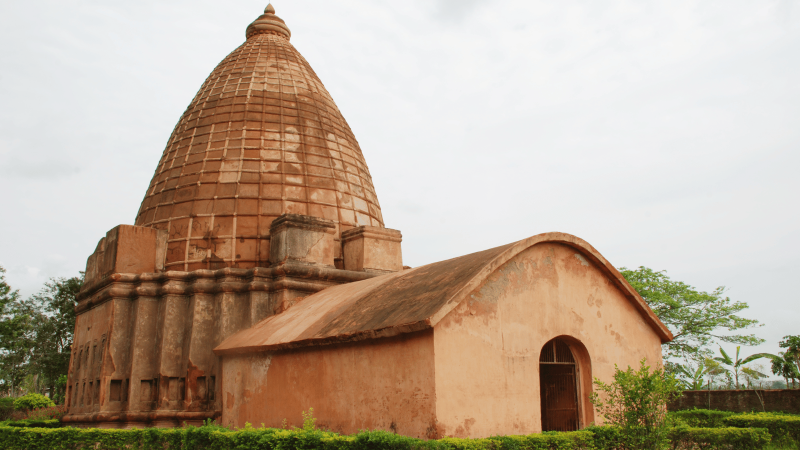
Bishnudol Temple Sibsagar
About
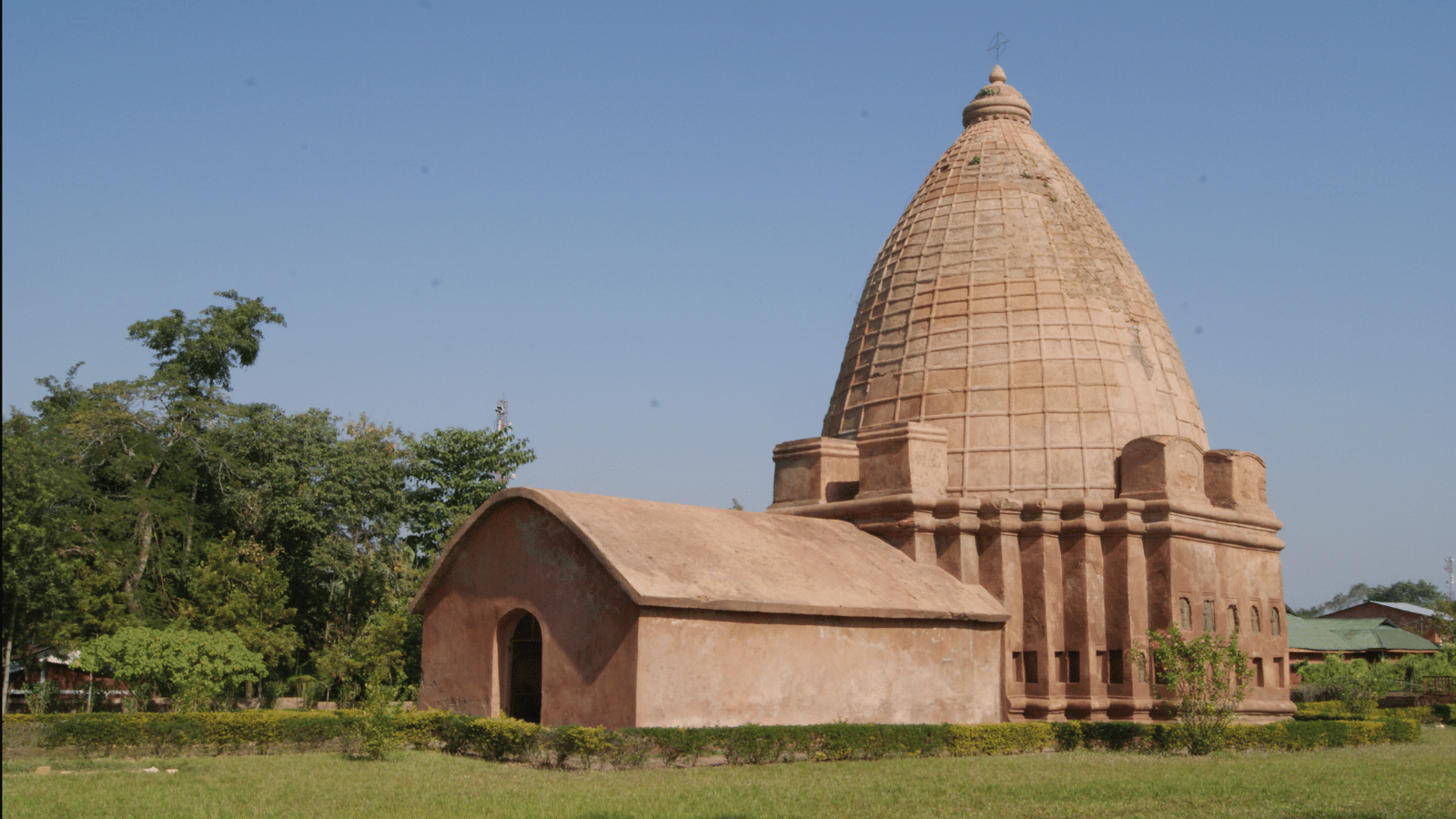
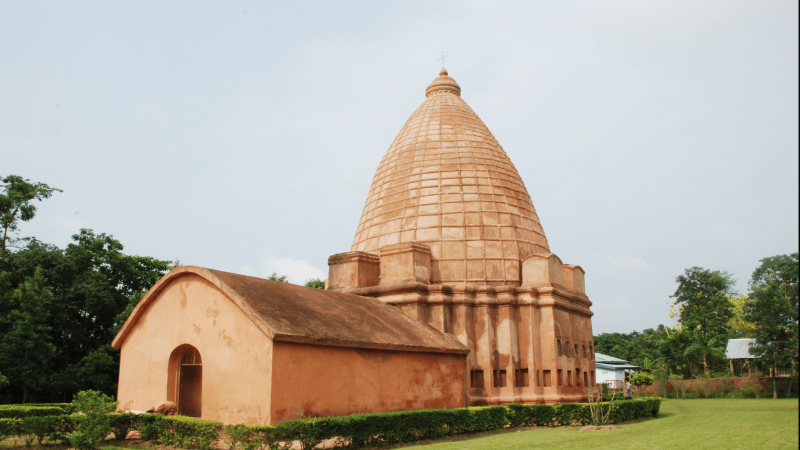
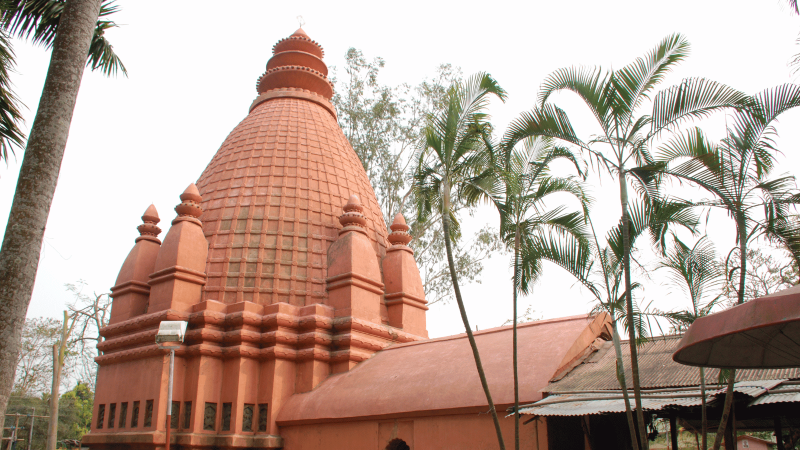
The Kesavanarayan or Jaidol Temple is a revered monument dedicated to Lord Vishnu and admired for its artistic detailing and devotional significance. Its design reflects the cultural ideals of the Ahom kingdom and the enduring legacy of royal patronage.
Historical Background
The temple was constructed during the reign of the Ahom king Rudra Singha, who ruled from CE 1696 to CE 1714. It stands near the Joysagar tank, which was excavated in honor of his mother, Joymati. The monument embodies the religious dedication and architectural ambitions of the period.
Location and Significance
Situated on the eastern extremity of the northern bank of the Joysagar tank in Assam, the temple forms part of an important sacred landscape. Its proximity to associated shrines and ritual spaces enhances its value as a center of worship and heritage.
Architectural Materials and Design
The main structure features an octagonal Garbhagriha crowned by a dome-like superstructure. Honeycomb motifs and lotus medallions embellish the sanctum, while the exterior walls display stone plaques with carvings of Brahmanical divinities and incarnations of Vishnu. A square mandapa lies to the west, linked to the sanctum by an antarala. Nearby stand a brick bhog-ghar and two subsidiary shrines dedicated to Surya and Lord Ganesha.


What you’ll experience
Ahom era temple architecture and Vaishnavite sacred spaces.
Special attractions
Octagonal sanctum, sculpted Vishnu panels, honeycomb and lotus motifs.
Perfect for
Visitors interested in Ahom era temple architecture and sculptural stone ornamentation.


Gallery