The Karle Caves, situated on a hilltop with a sweeping view of the Indrayani valley, are among the earliest Buddhist rock cut monuments in western India. Dating to the 2nd century B.C.E., they preserve an exceptional ensemble that reflects the formative stages of monastic life and ritual architecture.
Historical Background
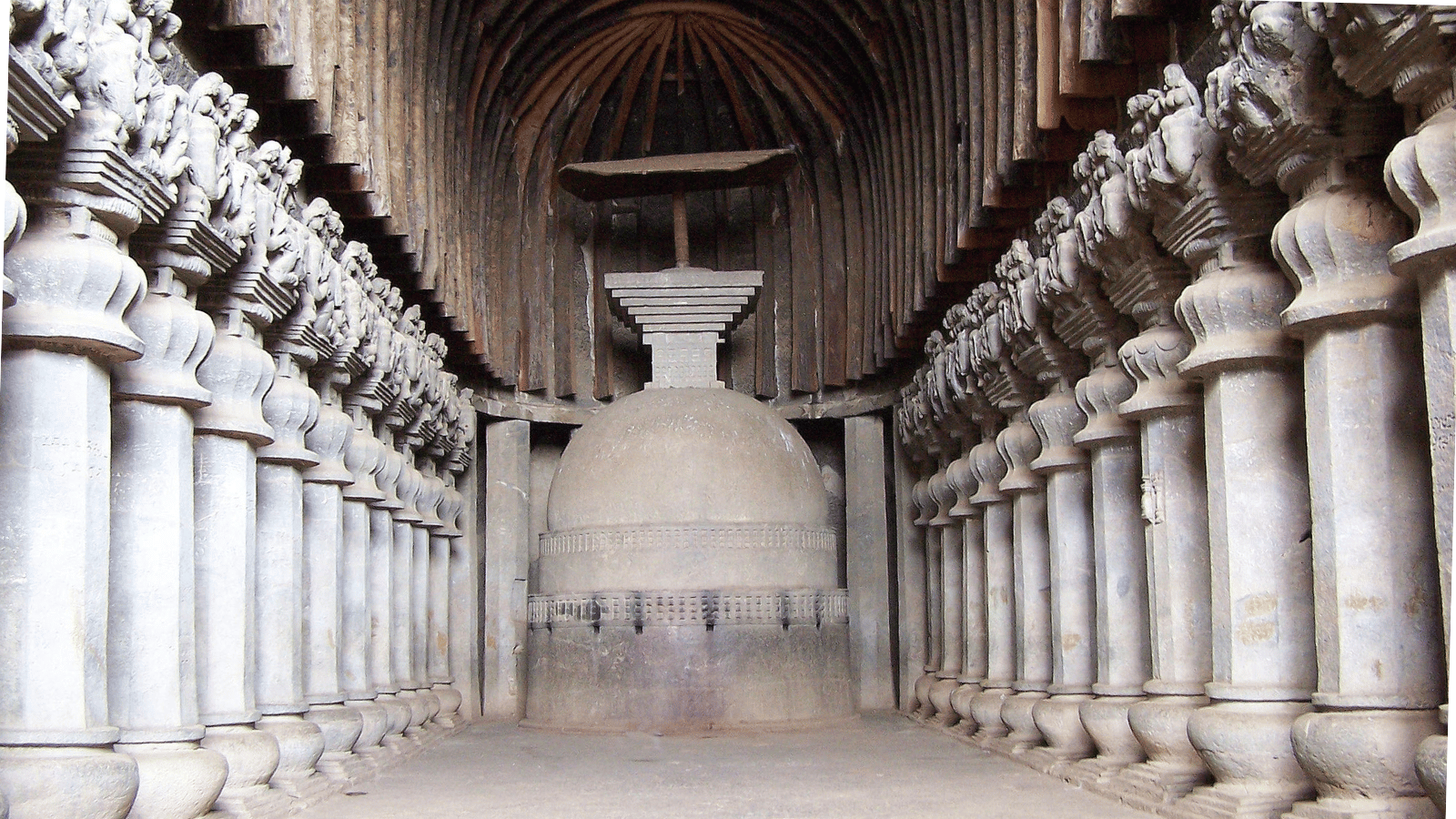
Developed during the Satavahana period, the complex is renowned for its chaitya grihas, which are among the largest and most ornate early prayer halls. These structures exemplify the craftsmanship of the era, displaying refined spatial planning and carefully articulated interiors suited to communal worship and monastic activity.
Location and Significance
Located in the historic landscape overlooking the Indrayani valley, the caves form an important node on early trade and pilgrimage routes. Their inscriptions, thirty four in number, record donations that illuminate the social and economic networks supporting Buddhist establishments.
Architectural Materials and Design
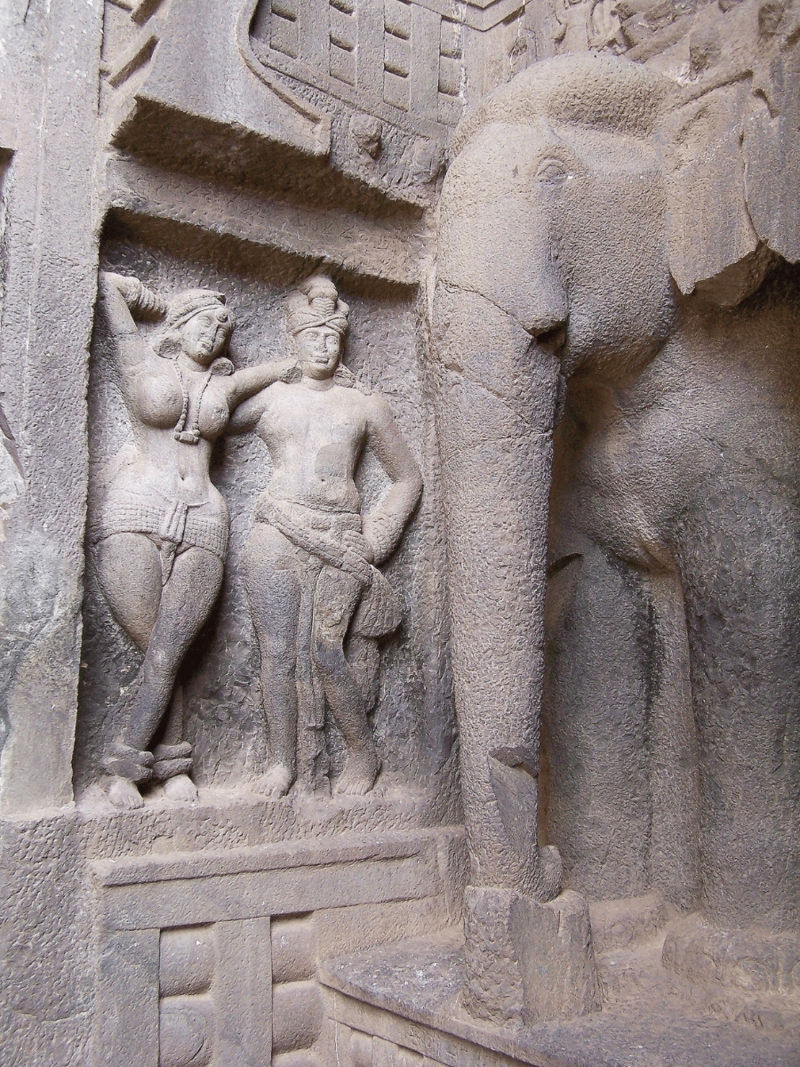
Comprising approximately sixteen excavations, the site incorporates residential quarters for monks as well as the principal chaitya hall. Carved from basalt, the façades and interior features reveal characteristic elements of early western Deccan rock architecture, including rhythmic columned aisles, arched entrances, and carefully modulated light that enhances the devotional atmosphere.

 4.4•
4.4•
 Ticket needed for all ages
 Entry allowed for all ages
 Kid friendly
 Pets not allowed
 Free parking
 Washrooms available
 Niraj Torane
 Prasad Bhise
 ashwajeet kamble
 TEZ
TEZ Neha Tripathi