Guntupalli contains notable monolithic and structural Buddhist remains datable from the 3rd–2nd century C.E. to the 5th–6th century C.E. The site preserves an extensive group of monuments that reflect continuous religious activity and architectural development over several centuries.
Historical Background
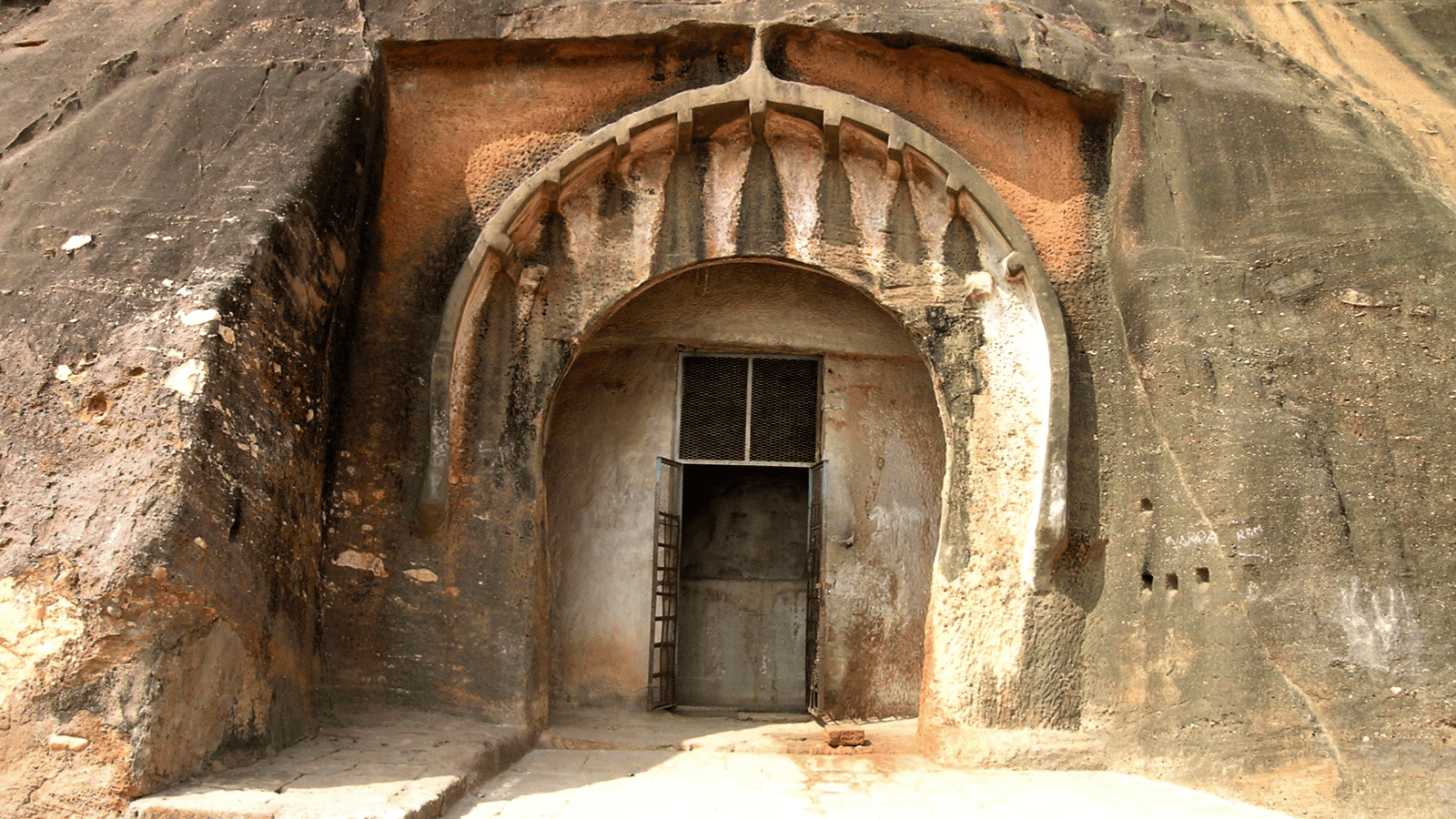
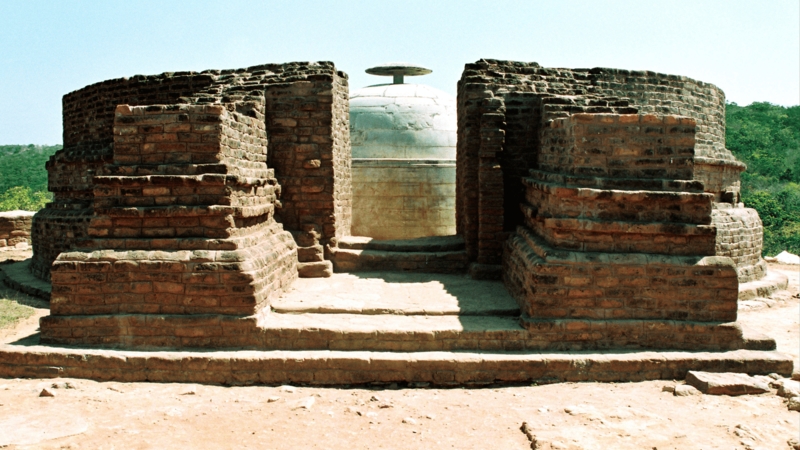
Among the earliest features is the circular vritta chaitya, dated to the 3rd–2nd century C.E., which enshrines a rock cut votive stupa with a circumambulatory path. Excavations by Alexander Rea revealed additional structures, including a stone stupa with a cut stone veneer over an earthen and rubble core, and portions of a brick apsidal chaitya whose walls survive almost to roof height and once supported a vaulted superstructure with terracotta finials.
Location and Significance
The monuments stand on the hill terraces of Guntupalli in Andhra Pradesh, forming a significant Buddhist monastic landscape. The large monastery lies northeast of the rock cut Dharmalingesvara temple, while the small monastery occupies a higher point to its north. Groups of more than sixty votive stupas appear on multiple terraces southeast of the brick chaitya and near the ruined mandapa.
Architectural Materials and Design
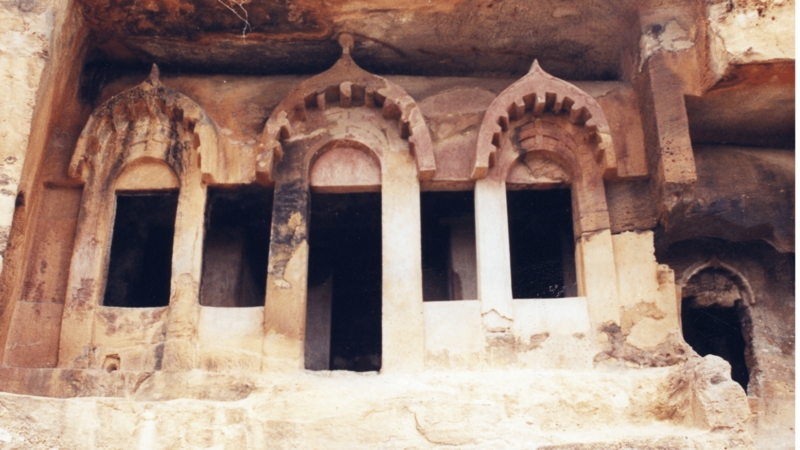
Rock cut cells form the residences of monks. The stupas vary in size and shape, reflecting construction across different periods. Brickwork, sandstone excavation, stone veneering, and apsidal planning illustrate the diverse architectural techniques represented at the site.

 4.3•
4.3•
 Ticket needed for all ages
 Entry allowed for all ages
 Kid friendly
 Pets not allowed
 Free water stations
 Washrooms available
 Suresh Derangula
 Deepak Kumar
 yentipalli varaprasad
 varun Sadhanala (Varunu)
 Chandu Sarakanam