
Buddhist Remains Mansar
About the venue
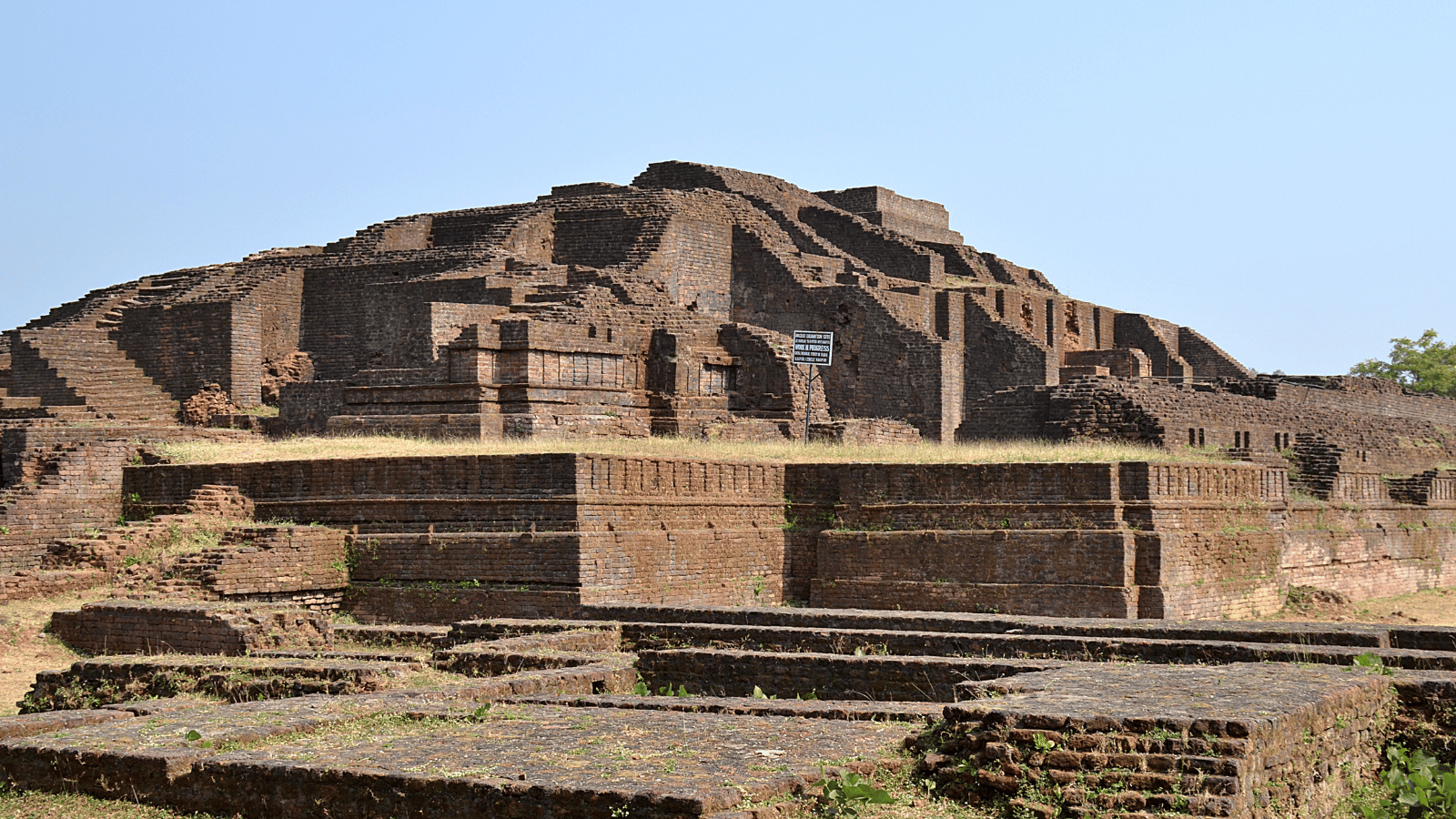
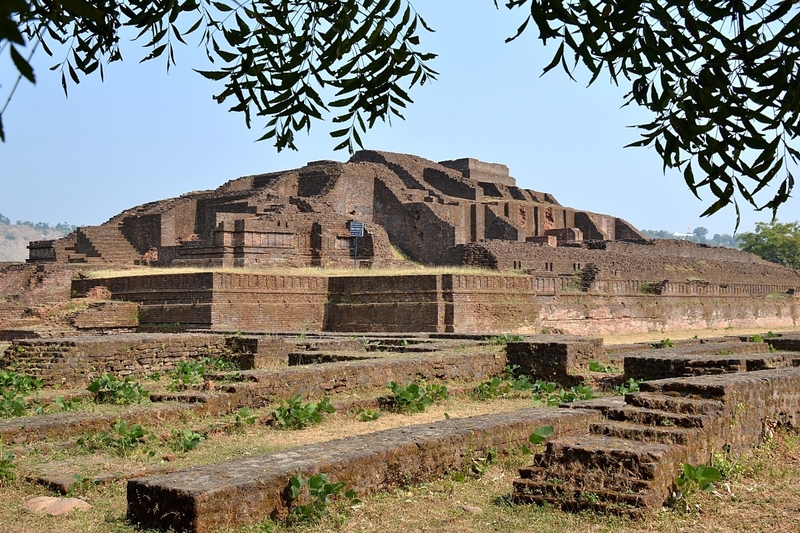
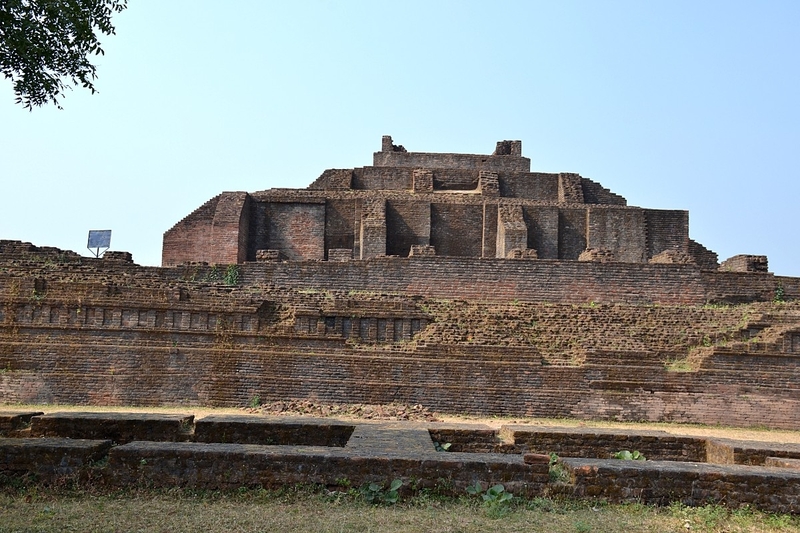
Mansar in the Nagpur district of Maharashtra is recognized for its archaeological richness. Numerous excavated remains and artifacts illuminate its cultural depth and the development of Buddhist and Hindu traditions across several centuries.
Historical Background
Excavations conducted in the late twentieth century revealed five sites coded MNS 1 to MNS 5. Researchers identified four cultural phases that span the Maurya Sunga Period from 300 C.E. to 200 C.E., the Satavahana Period from 200 C.E. to 250 C.E., the Gupta Vakataka Period from 275 C.E. to 550 C.E., and the later Vishnukundin rule. These layers reflect evolving political, artistic, and religious practices.
Location and Significance
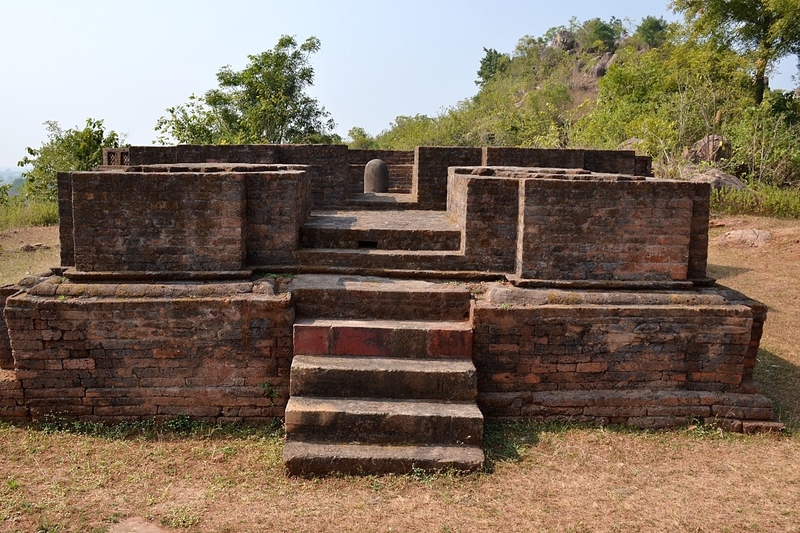
Situated within the wider Nagpur region, Mansar preserves major Buddhist and Hindu structures. The MNS 3 complex at Hidimba Tekri includes a Buddhist stupa, a chaitya griha, and a brick built Shiva temple that houses a granite linga. The MNS 2 area features Pravarapura, capital of King Pravarasena II, along with Kurmaciti and Syenaciti altars and seals of Pravarasena and Queen Prabhavati Gupta.
Architectural Materials and Design
MNS 5 contains a linga temple planned in concentric squares set at a 45 degree angle, forming an octagon around the garbhagriha. Sculptures of Vamana Shiva, Trinetra Parvati, Shiva Parvati with bull, Ekmukhalinga, Narasimha on Garuda, Kartikeya on peacock, Lajja Gauri, Kuber, and other figures enrich the site’s artistic heritage.