Chandragiri Fort, located in the Chittoor district of Andhra Pradesh, rises prominently atop the hill known as Chandragiri or the Mountain of the Moon. The site reflects a long continuum of regional power and architectural experimentation, presenting a commanding view of the surrounding landscape and preserving the legacy of its early builders.
Historical Background
Believed to have been constructed around 1000 C.E. during the reign of Immadi Narasinga Yadavaraya, chieftain of Narayanavaram, the fort has served successive rulers and expanded across centuries. It spans nearly twenty five acres and is divided into the Lower and Upper Forts. The Lower Fort encloses the plains below the hill on three sides, while the northern edge is shielded by a steep rise. The Upper Fort, situated at the summit, retains watchtowers, ramparts, bastions and parapets that reveal the defensive priorities of its builders.
Location and Significance
Positioned within the terrain of Chittoor district in Andhra Pradesh, the fort stands as a significant testament to regional power structures. Its scale, commanding heights and preserved edifices highlight its role in the political and cultural history of southern India.
Architectural Materials and Design
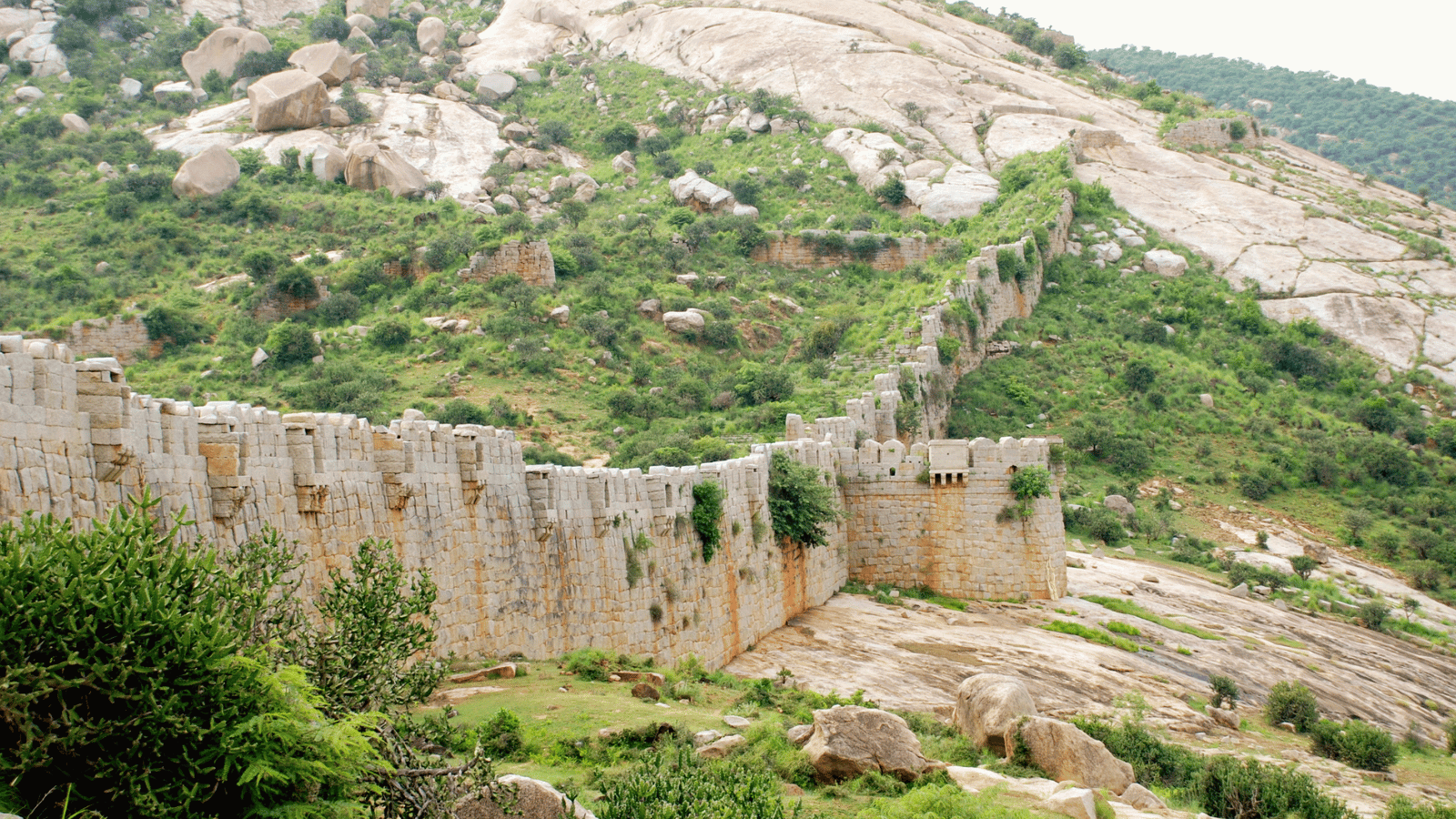
The fort is encircled by a massive cyclopean masonry wall with rectangular bastions and a steep moat. Within this enclosure lie palaces, temples, tanks and carved mandapas. The Raja Mahal and Rani Mahal in the Lower Fort are the most notable surviving structures, with the Raja Mahal now housing an archaeological museum curated by the Archaeological Survey of India, featuring sculptures and bronzes of the Vijayanagara period.

 4.2•
4.2•
 Ticket needed for all ages
 Entry allowed for all ages
 Kid friendly
 Pets not allowed
 Free water stations
 Washrooms available
 Free parking
 Anurag Thakur
 Soul
Soul Naidu Belamala
 S N Rao
 Krishna Siripuram