St. Angelo Fort Kannur
About
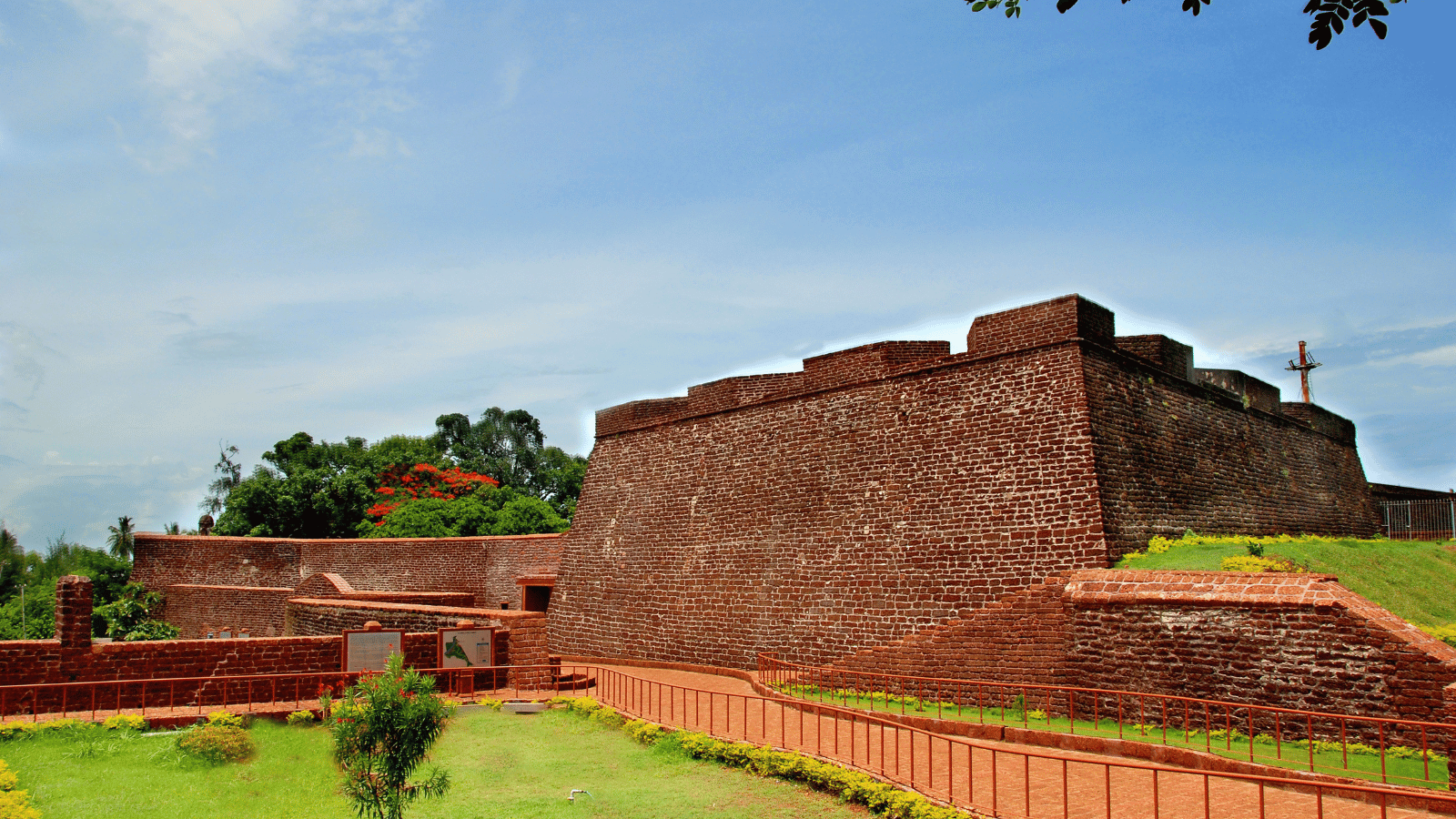
Fort St. Angelo in Kannur, Kerala, is a prominent coastal stronghold whose long and complex history reflects successive phases of regional and international power. Surrounded by the Arabian Sea on three sides, the fort presents an imposing profile that illustrates the strategic value of its location and enduring maritime relevance.
Historical Background
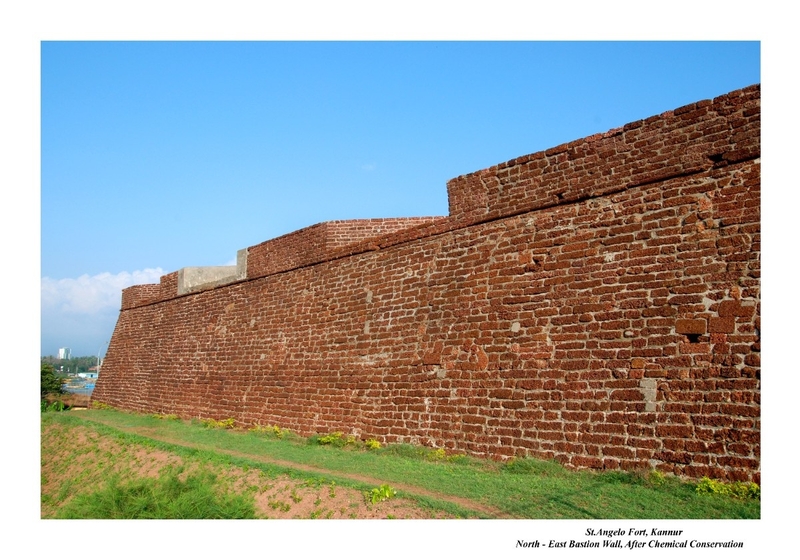
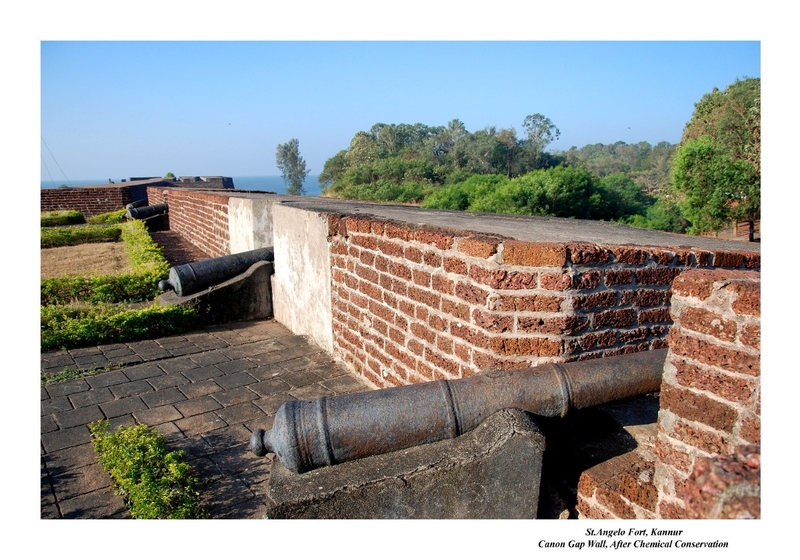
Built and contested by several ruling powers, the fort witnessed control by the Portuguese, Dutch, Indian, and British authorities who used it as a military base. Its heavily reinforced walls, bastions, barracks, watchtower, and cannons reveal defenses crafted to withstand assaults from both land and sea. Tombstones of fallen soldiers and the remains of an old chapel recall the battles once fought here.
Location and Significance
Situated in Kannur, the fort occupies a landscape shaped by naval activity and trade. Its proximity to the Arabian Sea and the serene Mopilla Bay strengthens its cultural and historic identity, making it one of Kerala’s notable heritage monuments.
Architectural Materials and Design
The complex incorporates massive stone bastions, seafacing batteries, and internal service structures arranged for defense and surveillance. The spatial organization emphasizes maritime vigilance, while views across the sea and harbour highlight the fort’s strategic orientation and enduring architectural character.


What you’ll experience
Sea washed ramparts echoing centuries of conflict.
Special attractions
Ocean facing bastions and the poignant old chapel site.
Perfect for
Visitors who enjoy dramatic coastal fort heritage.


Gallery