
Gol-Gumbaz Vijayapura

About
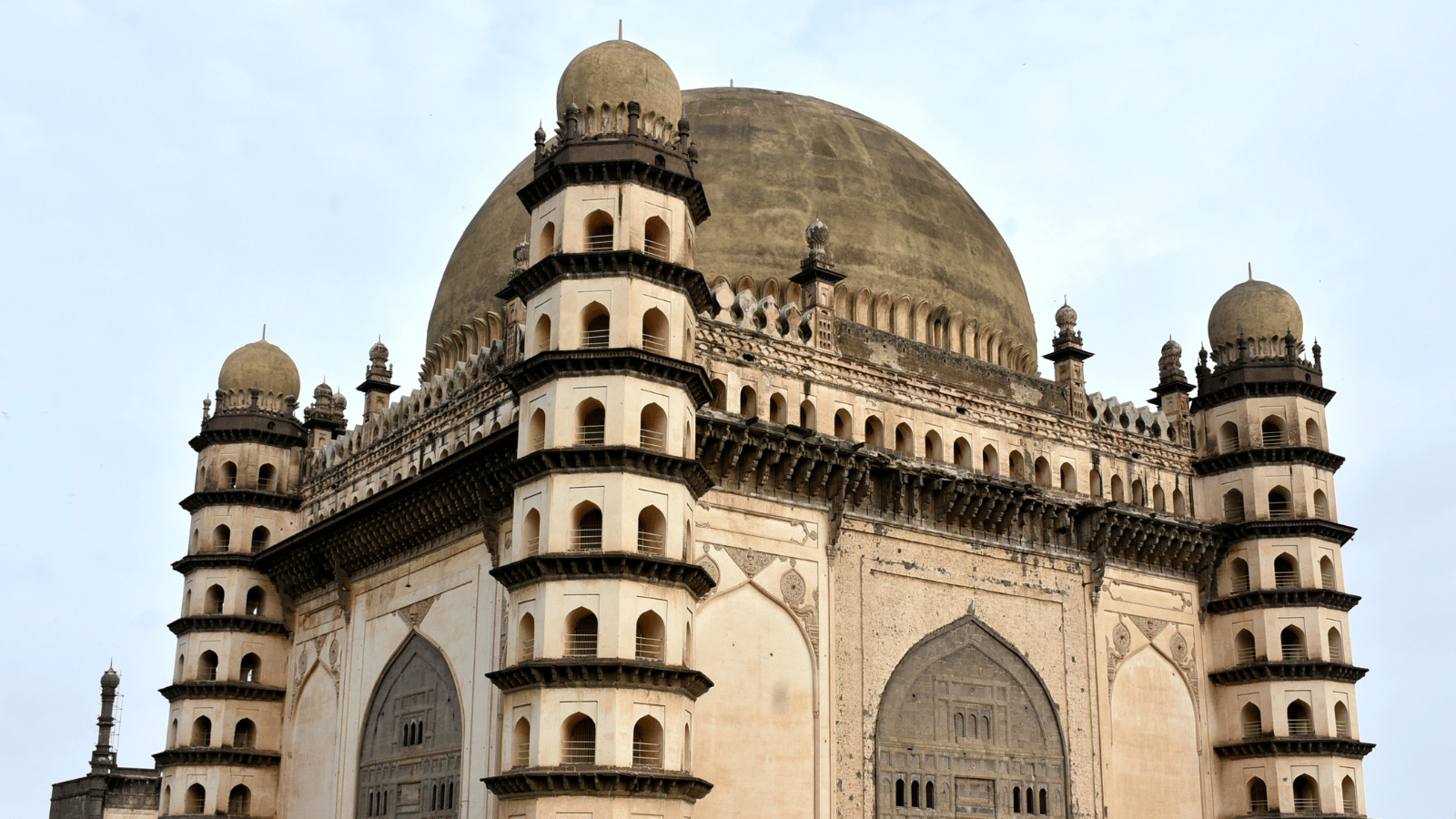
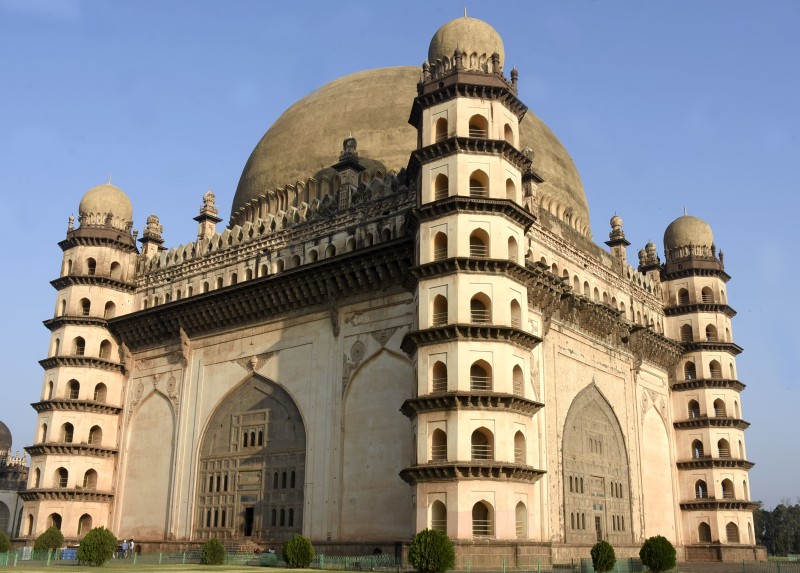
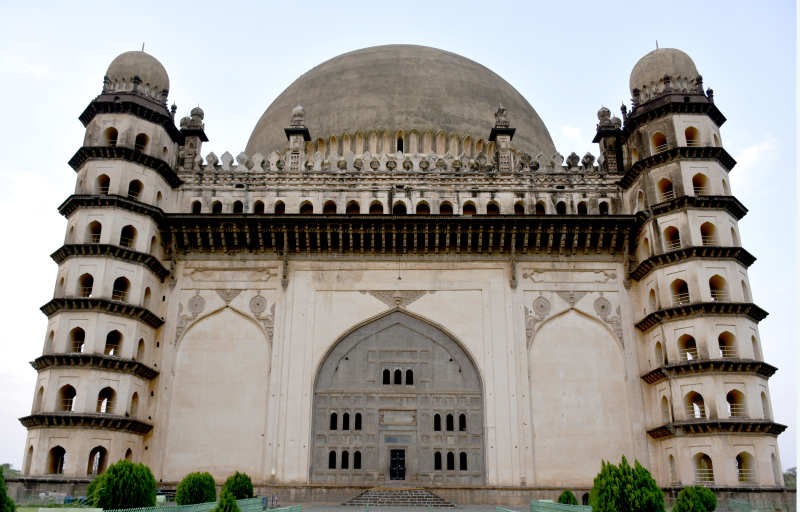
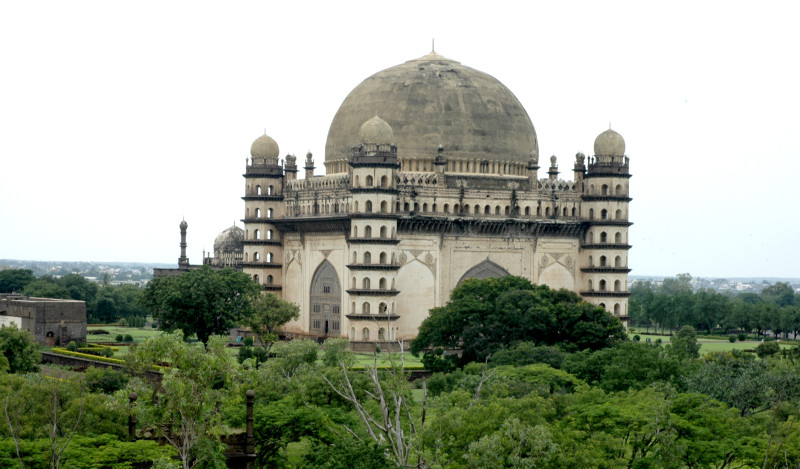
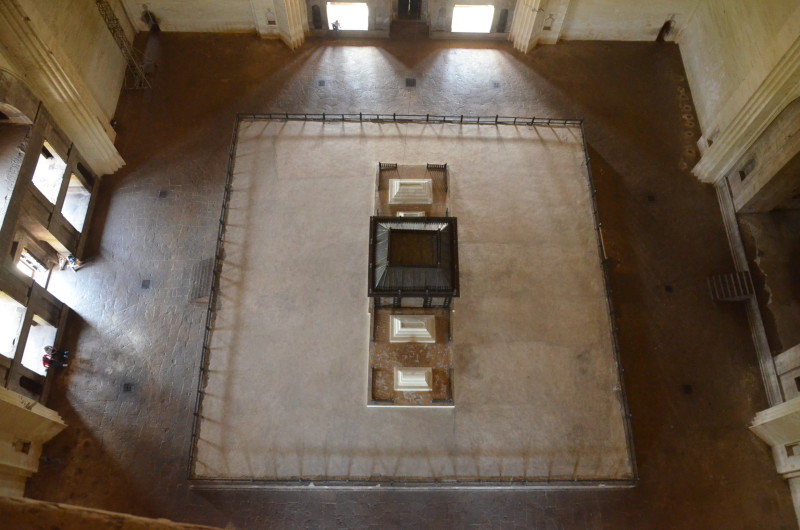
Gol Gumbaz is known for its massive dome, second in size only to that of St Peter’s Basilica in Rome. Built in the 17th century C.E., it is the mausoleum of Mohammed Adil Shah of the Adil Shahi dynasty and is a landmark of Deccan architecture.
Historical Background
The monument’s most distinctive feature is its central dome, which stands without any pillar support. The tomb is designed as a large cube surmounted by a hemispherical dome, with seven storey octagonal towers capped by smaller domes at each corner. The builders used groined compartments or pendentives to counteract the outward thrust of the dome, demonstrating the engineering skill of the period.
Location and Significance
Located in Vijayapura, Karnataka, Gol Gumbaz is celebrated for its acoustics, scale and architectural ingenuity. It remains a major heritage attraction in the Deccan.
Architectural Materials and Design
Each tower has winding staircases and seven arched windows per storey. The sixth level houses the Whispering Gallery, where even faint sounds travel clearly across the space. The structure has a reverberation time of twenty six seconds, unmatched in similar buildings. The complex includes a mosque a Naqqar Khana now functioning as a museum and the remains of guest houses.


What you’ll experience
A vast dome, echoing interiors and dramatic views from the seven storey towers.
Special attractions
Whispering Gallery, octagonal towers, Naqqar Khana and monumental dome.
Perfect for
Visitors fascinated by acoustics, Deccan tomb architecture and Adil Shahi’s history.


Gallery