
Itimad-Ud-Daulah Tomb
 4.4•
4.4•
About the venue
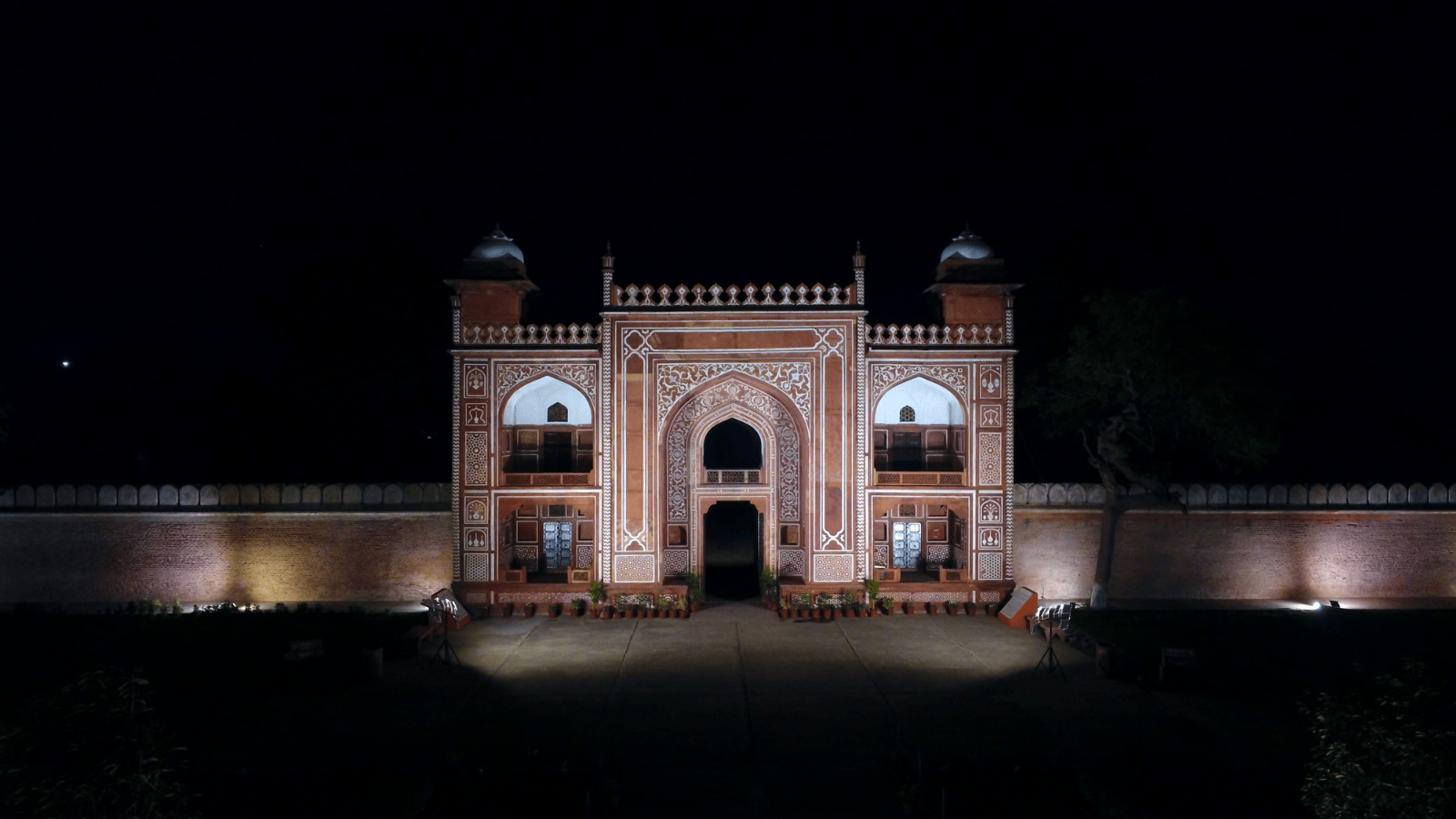
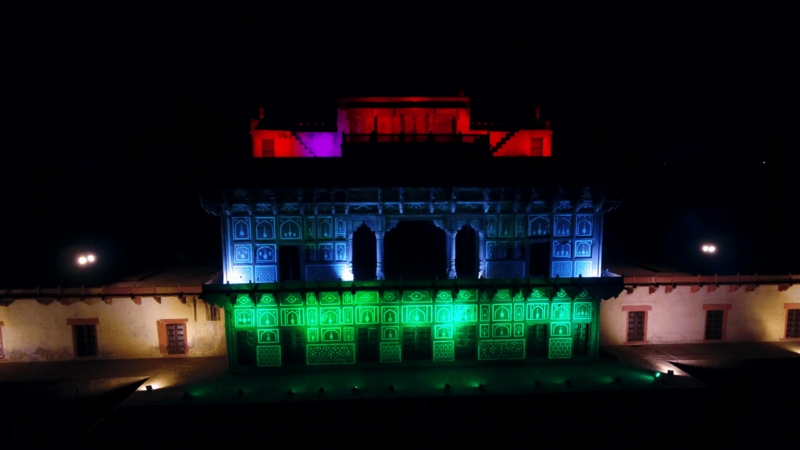
The tomb of Itimad ud Daulah in Agra stands on the left bank of the River Yamuna and represents a key transition in Mughal funerary architecture. Commissioned by Nur Jahan for her father Mirza Ghiyas Beg, titled Itimad ud Daulah or pillar of the state, it was completed in 1628 C.E. seven years after his death.
Historical Background
Mirza Ghiyas Beg served as Lord of the Treasures and later as Wazir under Jahangir. His mausoleum exemplifies the refinement of Mughal decorative arts and the shift toward delicate marble craftsmanship that would later reach its zenith in the Taj Mahal.
Location and Significance
Set within a Charbagh garden, the tomb occupies the center of a quadrangle. It contains the graves of the Wazir, his wife, and other family members, emphasizing the familial and commemorative purpose of the complex.
Architectural Materials and Design
The central hall is crowned by an oblong dome surmounting a pavilion with two pinnacles, while four round corner towers support marble kiosks. A sandstone stair leads to the upper level containing plain marble cenotaphs. The exterior is distinguished by polychrome ornamentation in mosaic and inlay, with floral, arabesque, and geometric designs executed in semi precious stones. Light enters through finely carved marble jali screens, creating a luminous interior that marks the tomb as one of the most richly adorned Mughal buildings.


What visitors say
4.4| Mohammad Arif
 Lianna Fernandes
 ansh handa
 Glenn C
 Himanshu Rampal