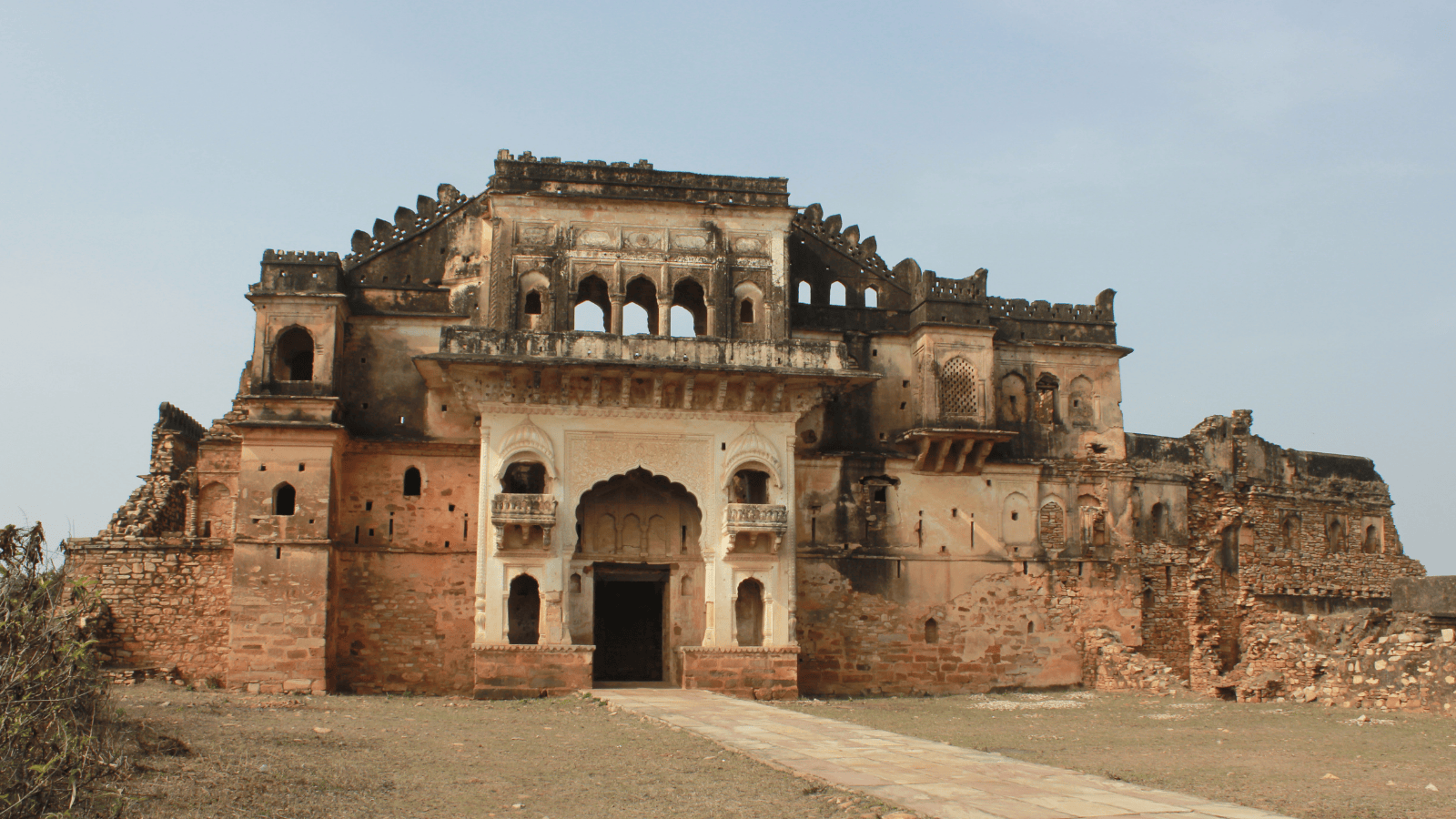
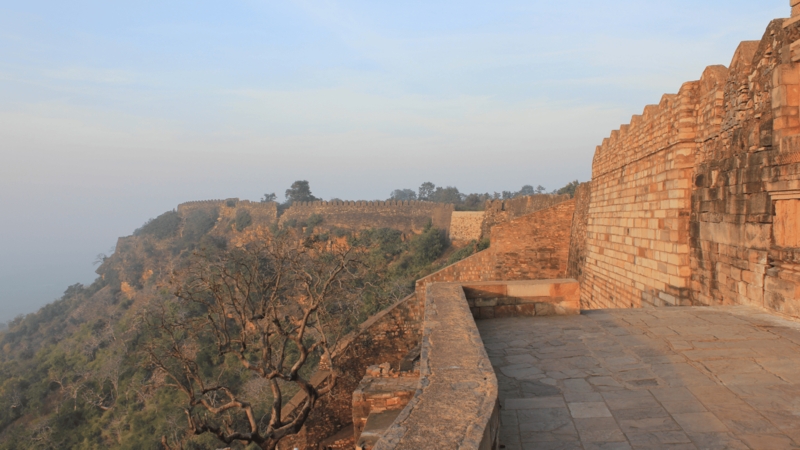
Kalinjar, a historic fortress city of Bundelkhand, rises atop a flat summit of the Vindhya range. Formed through the combined characteristics of a giridurga or hill fort and a vanadurga or forest fort, it achieved a formidable defensive presence that resisted repeated assaults and was famed for repelling cannon fire.
Historical Background
The fort holds deep religious resonance. Its name derives from the Sanskrit terms “kaal,” meaning death, and “jar,” meaning destruction. Tradition recounts that after consuming the cosmic poison during the samudramanthan, Lord Shiva came to Kalinjar to conquer death. The Neelkanth temple within the fort commemorates this event and enshrines a monumental image of Kalbhairav with eighteen arms and a garland of skulls.
Location and Significance
Situated in the cultural landscape of Madhya Pradesh, Kalinjar became a sacred and strategic center whose legends and architectural remains reflect regional devotion and military prowess. Its temples, palaces, tanks, and gateways express the layered heritage of the hilltop settlement.
Architectural Materials and Design
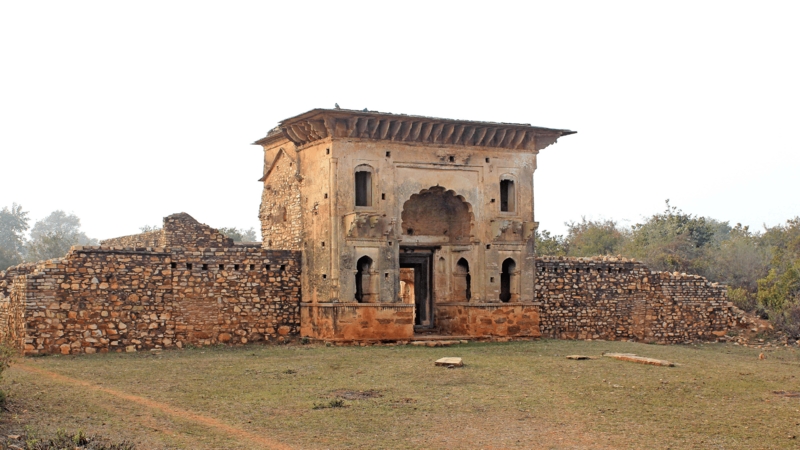
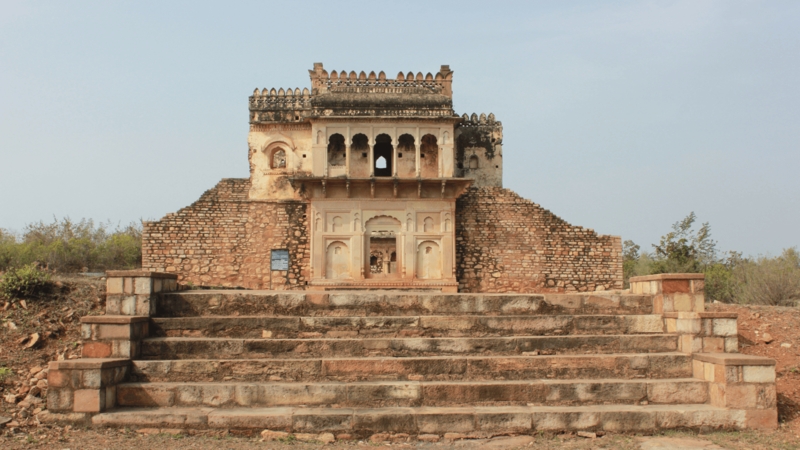
Seven gateways guard the ascent, including the Alamgiri, Ganesh, Chandi, Buddhabhadra, Hanuman, Lal Darwaza, and Bada Darwaza. Within lie religious structures, water systems, and civic buildings that convey a setting shaped for defense, worship, and royal presence. Today the fort endures as a powerful testament to the legacy of Bundelkhand.

 4.4•
4.4•
 Ticket needed for all ages
 Entry allowed for all ages
 Kid friendly
 Pets not allowed
 Free water stations
 Somdutta Roy
 Randheer Pratap Singh
 Kran Kumar
 Abhinav Mishra
 SANGEETA SAPRA