Feroz Shah Kotla Fort stands among the oldest surviving architectural remains of Delhi and reflects the urban, political and cultural ambitions of the Tughlaq dynasty. Constructed as a statement of authority and strategic planning, it continues to offer insight into the city’s medieval foundations.
Historical Background
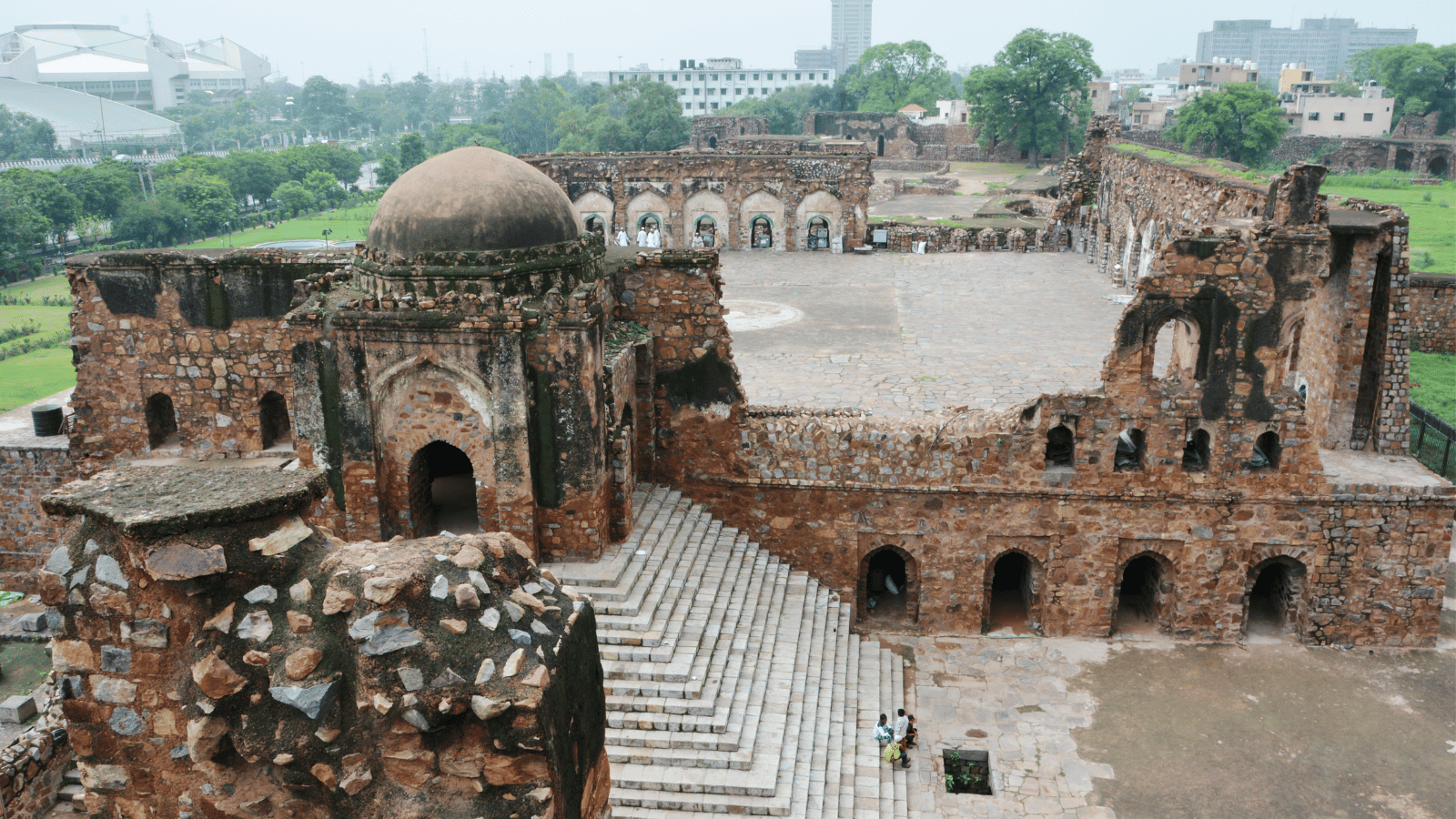
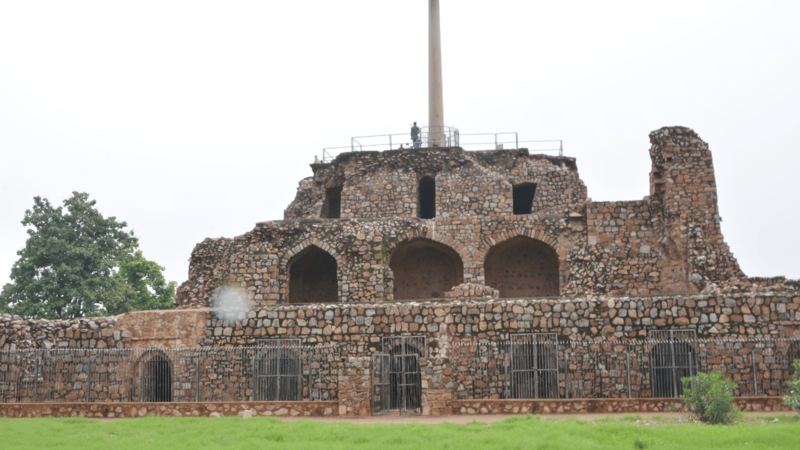
The fort was built in 1354 by Sultan Feroz Shah Tughlaq, who shifted his capital from Tughlaqabad to the newly established city of Firozabad following concerns over water scarcity in the earlier site. Rising along the banks of the Yamuna, the fort formed the administrative and ceremonial heart of the new capital. Within the complex are remnants of palaces, gardens and prayer spaces that illustrate the architectural idiom of the Tughlaq era. A notable feature is the Ashoka Pillar, transported by Feroz Shah from Ambala to Delhi. Standing approximately thirteen metres high, the pillar bears inscriptions associated with the moral and administrative principles of Emperor Ashoka.
Location and Significance
Situated in Delhi along the Yamuna riverfront, the fort holds enduring historical value. It is central to several local folk narratives and remains an important site for understanding the lineage of Delhi’s capitals.
Architectural Materials and Design
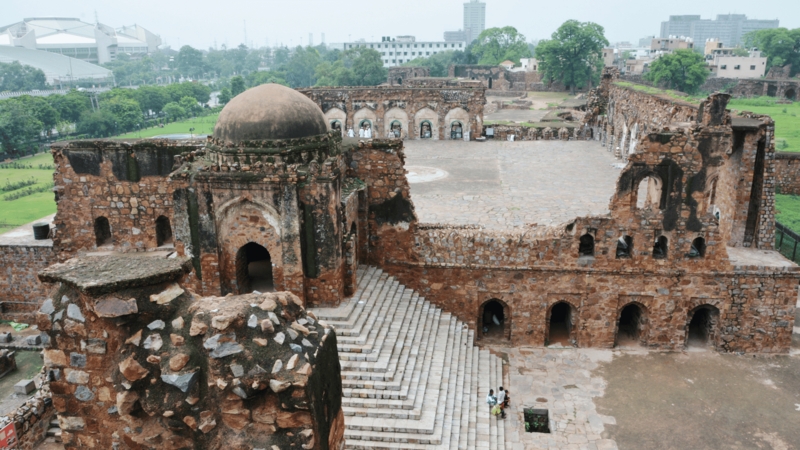
The complex includes a well-preserved baoli with stepped construction, mosque structures and the monumental Ashoka Pillar framed within the fortress landscape. The fort’s masonry, open courtyards and layered remains highlight the architectural transitions of the fourteenth century.

 4.2•
4.2•
 Ticket needed for all ages
 Entry allowed for all ages
 Kid friendly
 Pets not allowed
 Washrooms available
 Free water stations
 Free parking
 Kaif Ansari
 Satnam Singh
 Falak Qureshi
 Ankur walia
 Ayushmati Behera