Kumbhalgarh Fort rises along the Aravalli Range in Rajasthan and stands as a powerful expression of Rajput heritage. Built in the 15th century C.E., it embodies the martial spirit and architectural mastery associated with the rulers who defended it through repeated conflicts.
Historical Background
Constructed by Rana Kumbha under the guidance of architect Mandan, the fort was raised upon an earlier stronghold linked to the Jain prince Samprati. Its strategic location and formidable defenses enabled it to withstand assaults by the rulers of Malwa and Gujarat, preserving the autonomy of the Mewar Kingdom.
Location and Significance
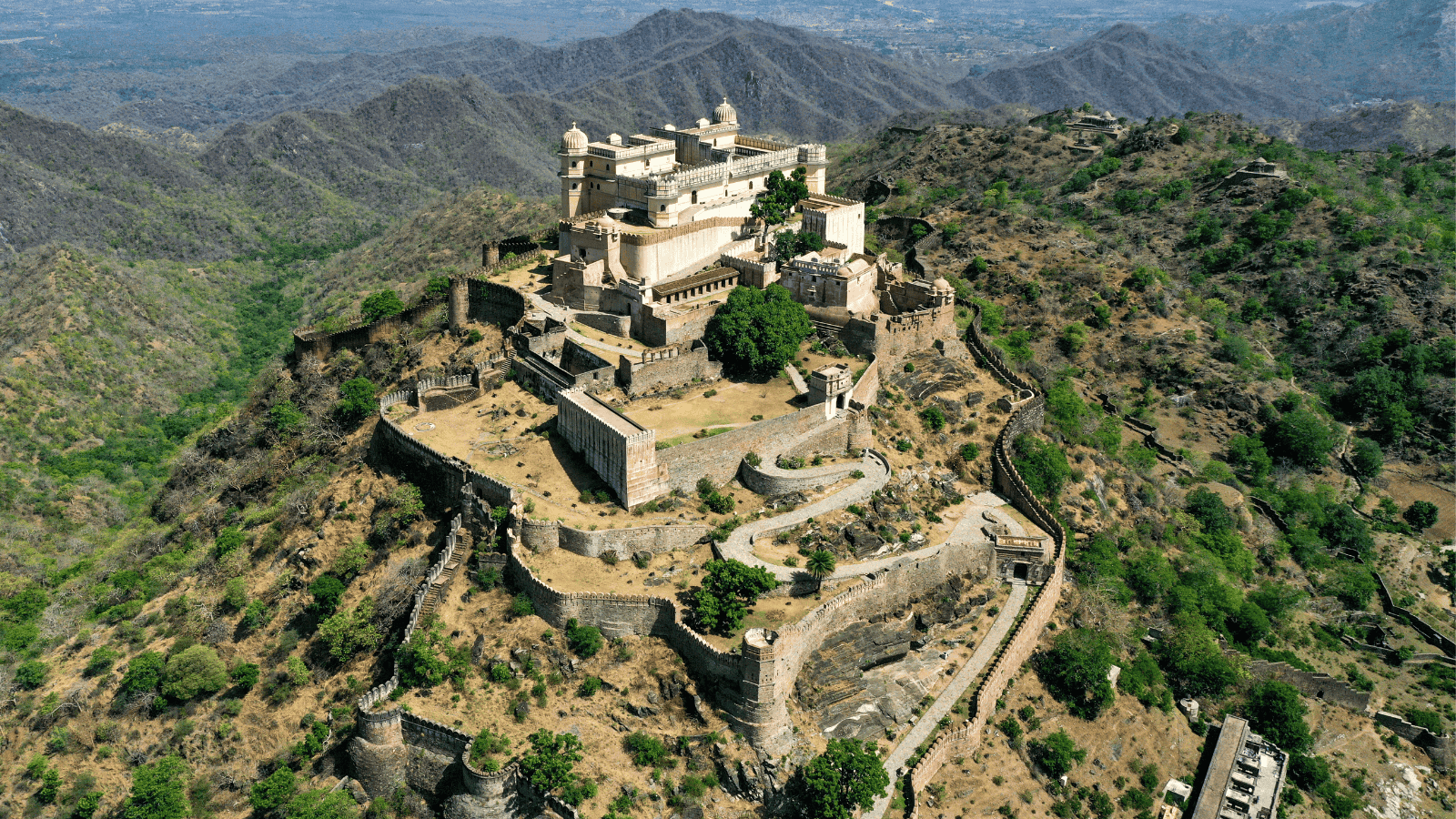
Located in western Rajasthan, the fort occupies a dramatic mountain setting that enhanced both its defensive advantage and ceremonial presence. Its scale, history, and enduring association with Rajput identity render it one of the most celebrated hill forts of India.
Architectural Materials and Design
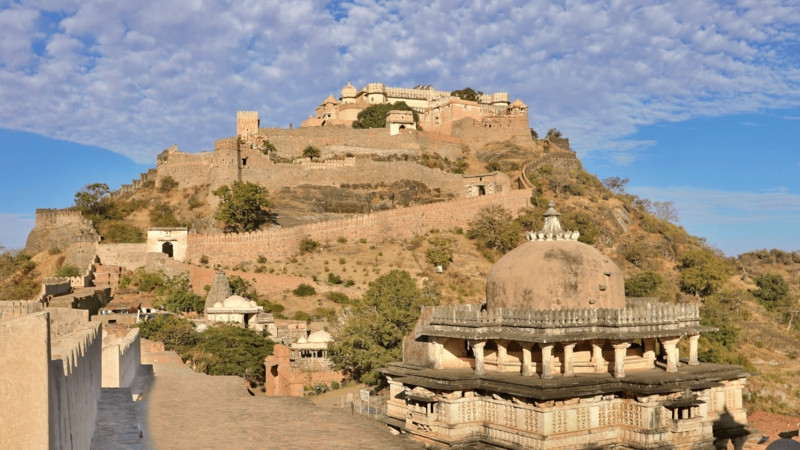
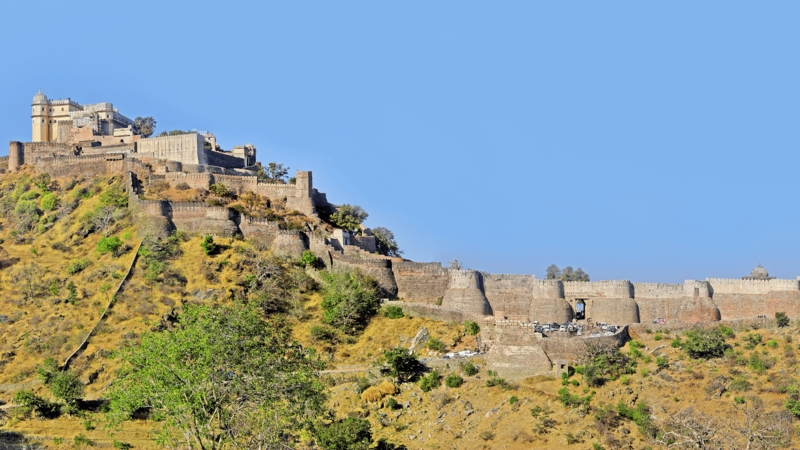
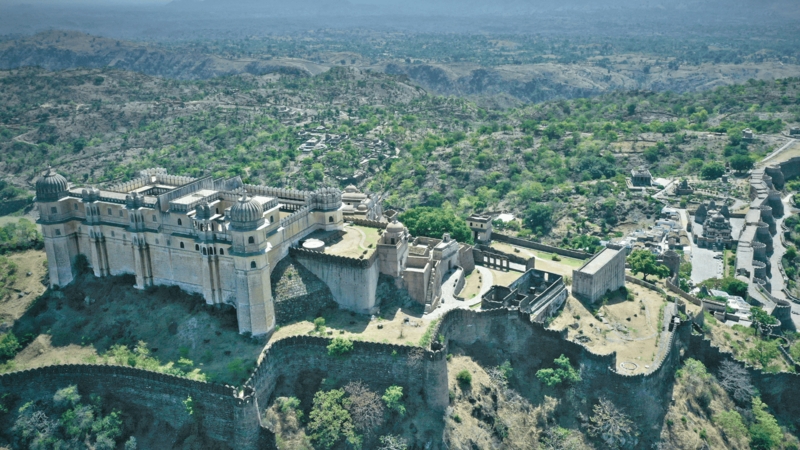
The fort is encircled by an immense stone wall lined with bastions and watchtowers. Seven gateways, including Aret Pol, Halla Pol, Hanuman Pol, Ram Pol, Nimboo Pol, and Bhairon Pol, regulate entry. Within the complex lie structures such as Badal Mahal, Kumbha Mahal, and numerous Brahmanical and Jain temples, along with reservoirs, baoris, and chhatris. Badal Mahal, situated at the highest point, commands sweeping views of the surrounding countryside.

 4.6•
4.6•
 Ticket needed for all ages
 Entry allowed for all ages
 Kid friendly
 Pets not allowed
 Washrooms available
 Free water stations
 Priyankka Dadwal
 Neha Talnikar
 Rahul Nadendla
 Daison Kevin
 Meet Raval (Mit)