
Laxman Temple Sirpur
 4.4•
4.4•
About the venue
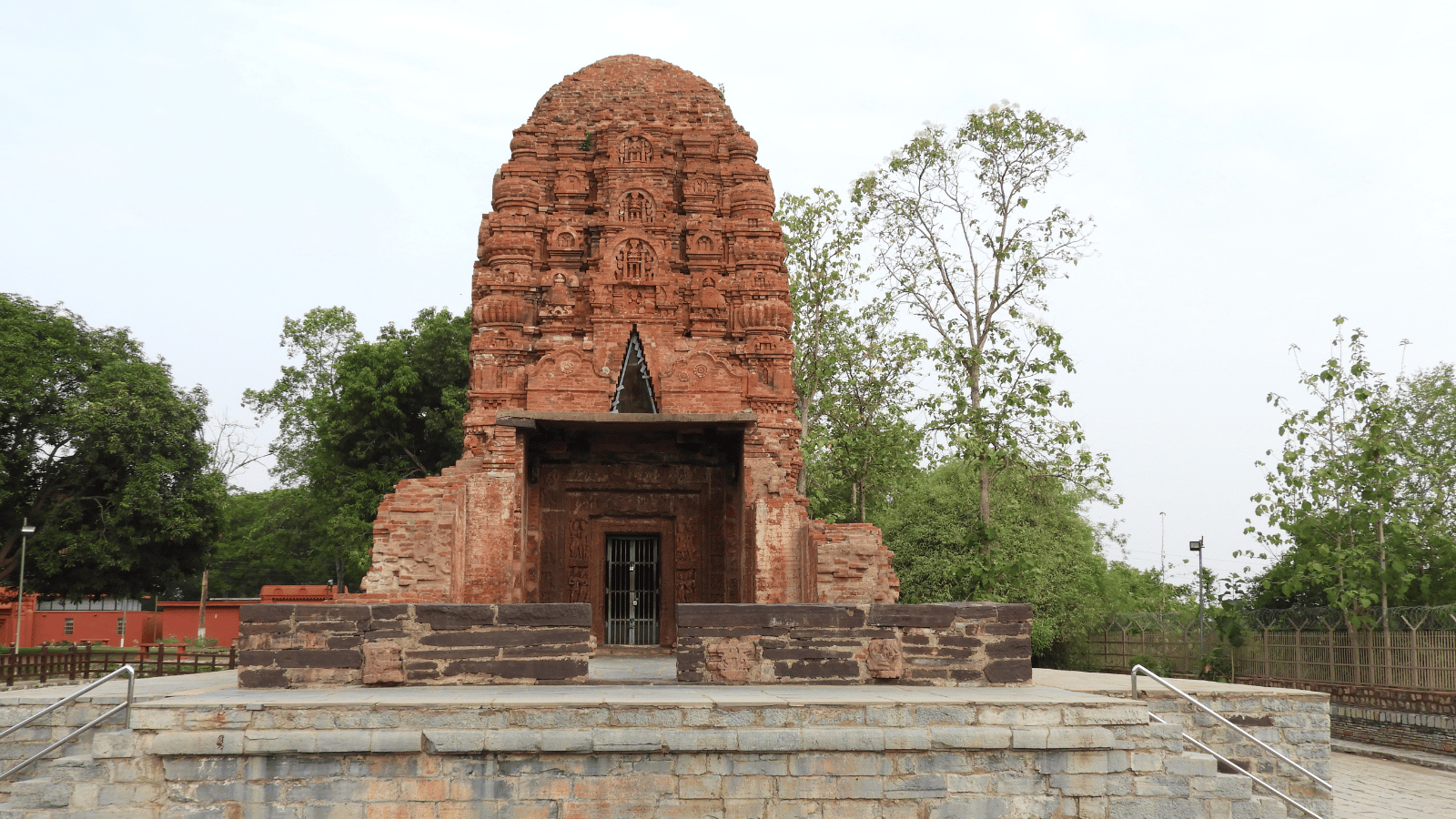
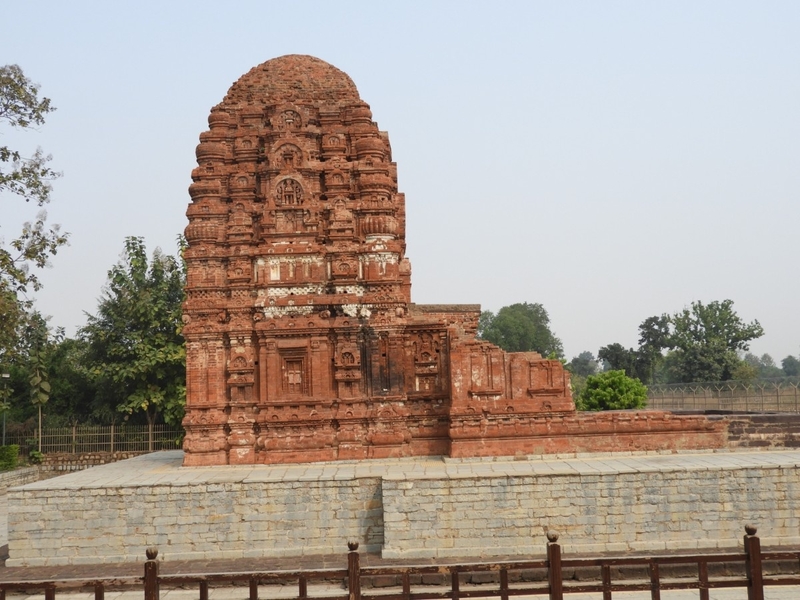
The Lakshman Temple is a distinguished brick temple dedicated to Vishnu, representing exquisite craftsmanship and the height of early medieval Indian architecture. Its design, sculptural embellishments, and imposing shikhara exemplify the artistic sensibilities of the 7th century C.E.
Historical Background
Constructed datable to the early 7th century C.E., the temple was commissioned by Vasata, the widowed mother of Pamduvamsi King Mahasivagupta Balarjuna (595–655 C.E.), in memory of her deceased husband Harasgupta. The temple is renowned for its detailed carvings, including the Anantasayana Vishnu above the sanctum doorway and panels depicting Krishna from the Bhagavata Purana.
Location and Significance
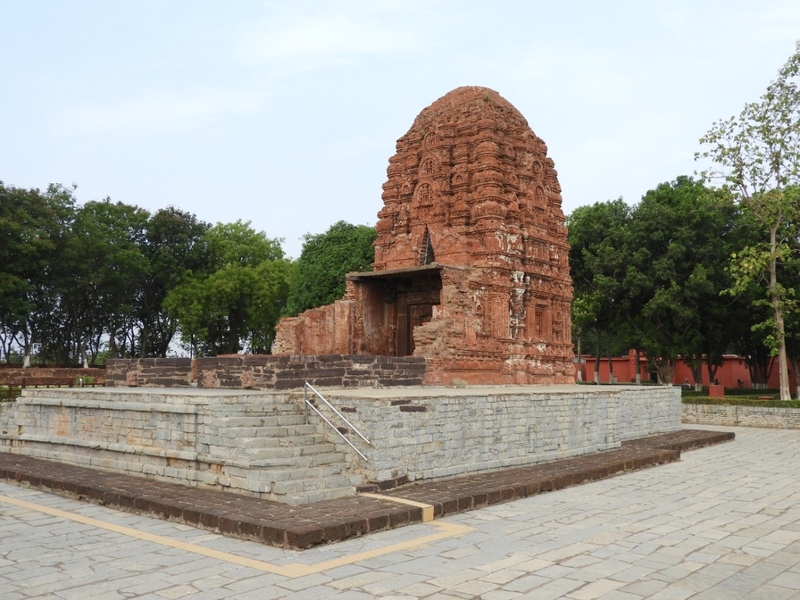
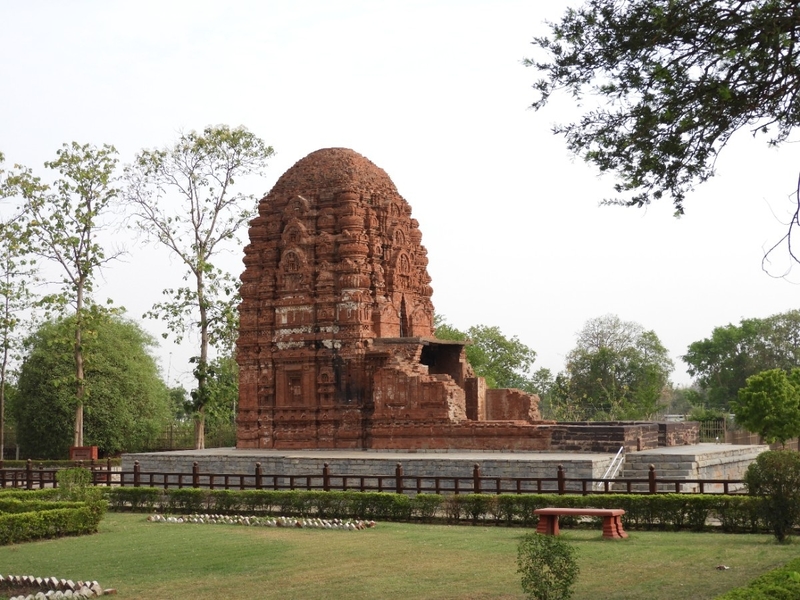
Situated in Sirpur, Chhattisgarh, the temple is the principal monument at the site and a prominent example of early brick temple architecture in India. Its cultural, religious, and historical significance attracts scholars, devotees, and heritage enthusiasts alike.
Architectural Materials and Design
The temple is built on a high platform and consists of a sanctum, vestibule, and a pillared mandapa, or hall. The central shikhara features imposing chaitya motifs, while the walls and doorways are adorned with intricate carvings. The structure stands as one of India’s finest models of brick temple architecture, demonstrating skillful integration of form, ornamentation, and symbolism.


What visitors say
4.4| PRAKASH AGRAWAL
 Been there
 anshu Patel
 Ayush Agrawal
 Tanuja Thakur