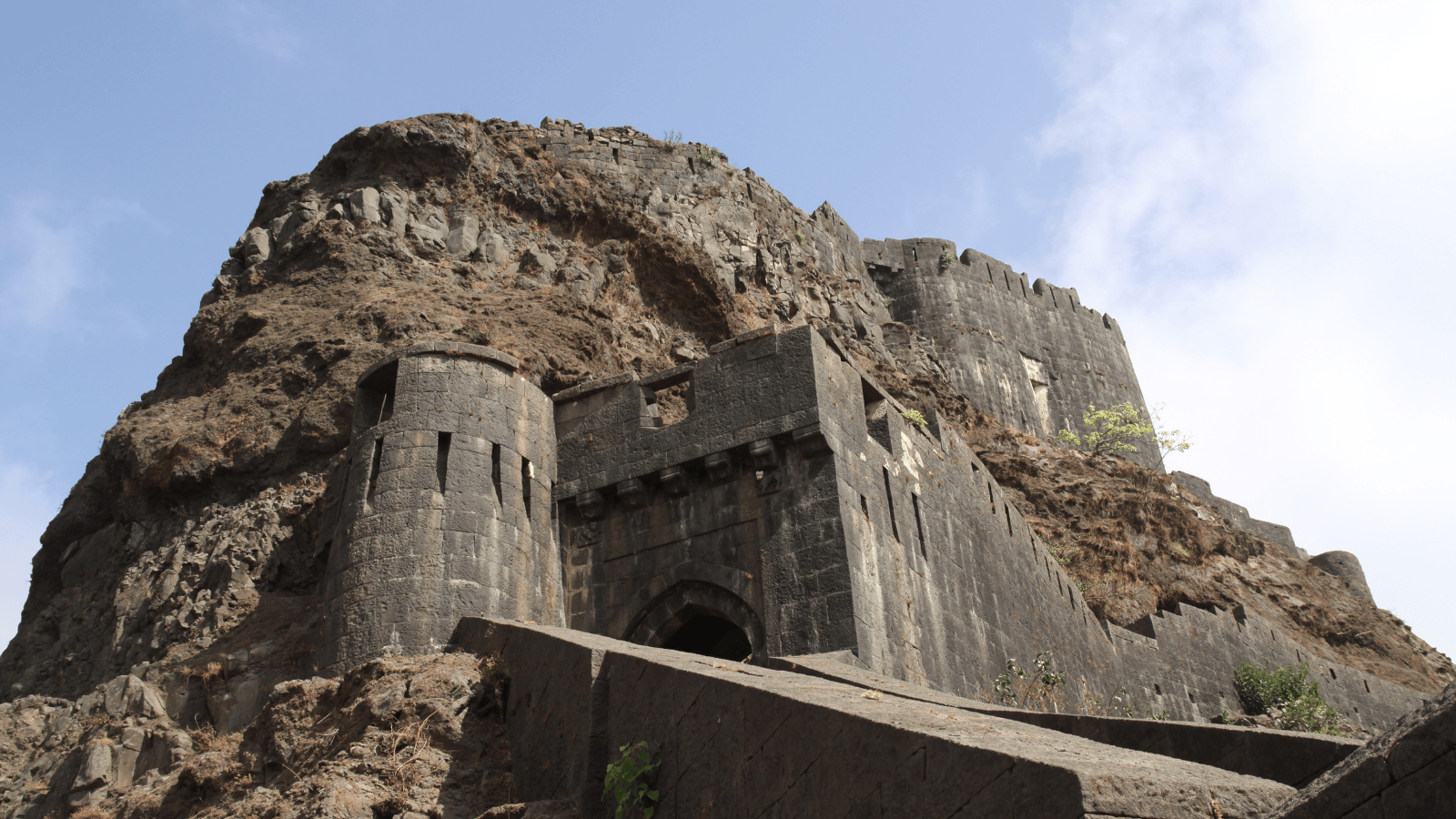
Lohagad Fort stands along the crest of a steep hill that commands one of the most picturesque valleys of the western Deccan. Its elevated position and strong defensive character have long contributed to its prominence in the regional landscape. The site reflects centuries of architectural planning, military strategy, and cultural layering, making it one of the notable hill forts of Maharashtra.
Historical Background
The fort is believed to have been constructed in the fourteenth century C.E., although its surrounding landscape preserves traces of earlier occupation. Lohagad’s gateways and fortification system show evidence of additions made under different political powers. The Ganesh, Narayana, and Maha Gates were built under the patronage of Nana Phadnavis, an influential statesman of the Maratha period, while the Hanuman Gate is attributed to the period of Islamic rule. The survival of Buddhist caves and ancient cisterns near the approach routes indicates the site’s long-standing sacred and strategic associations.
Location and Significance
Located near the Bhaja Caves in the Pune district of Maharashtra, the fort occupies a high ridge that offers wide views over the surrounding valleys. Its proximity to important passes and settlements made it a valuable defensive outpost, and the alignment of its gateways illustrates the tactical planning required for controlling movement across the hillside.
Architectural Materials and Design
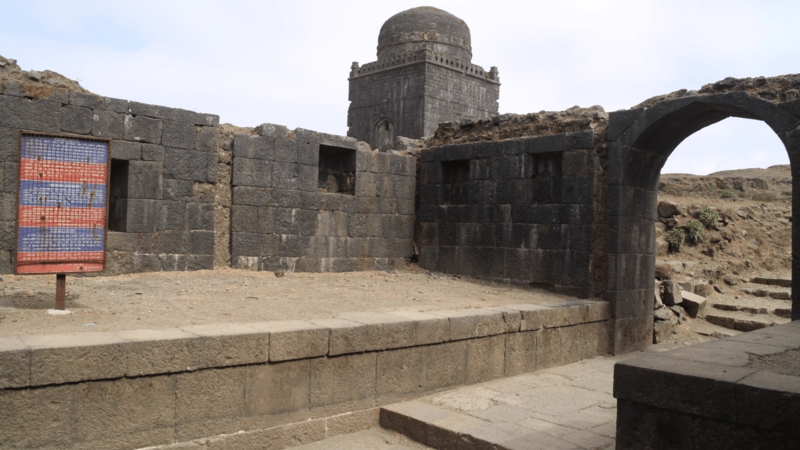
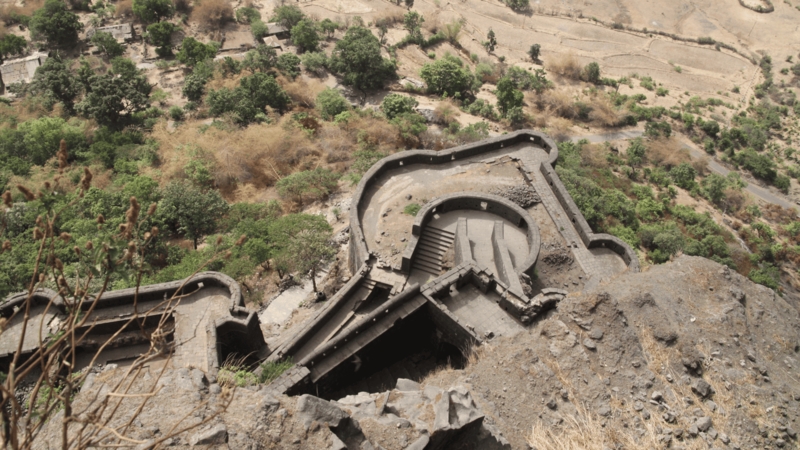
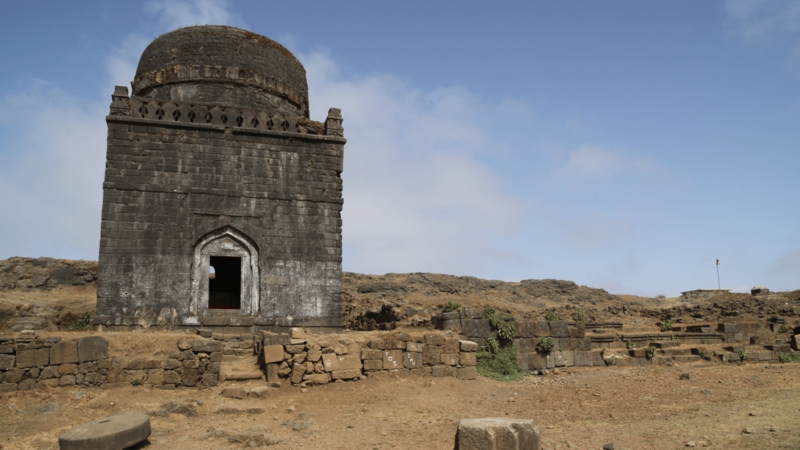
Lohagad features a strong double line of fortifications comprising inner and outer walls, accessed through four successive arched gateways flanked by superimposed bastions. These ascending bastions create a visually striking and structurally efficient defense system. The nearby caves and rock-cut reservoirs further enrich the architectural landscape, demonstrating the continuity of construction traditions in the region.

 4.6•
4.6•
 Ticket needed for all ages
 Entry allowed for all ages
 Kid friendly
 Pets not allowed
 Washrooms available
 Free water stations
 afsha shaikh
 Saiful
 Kittu
Kittu Gautam Kumar
 Abhishek Nath