
Mariam’s Tomb Sikandra
 4•
4•
About the venue
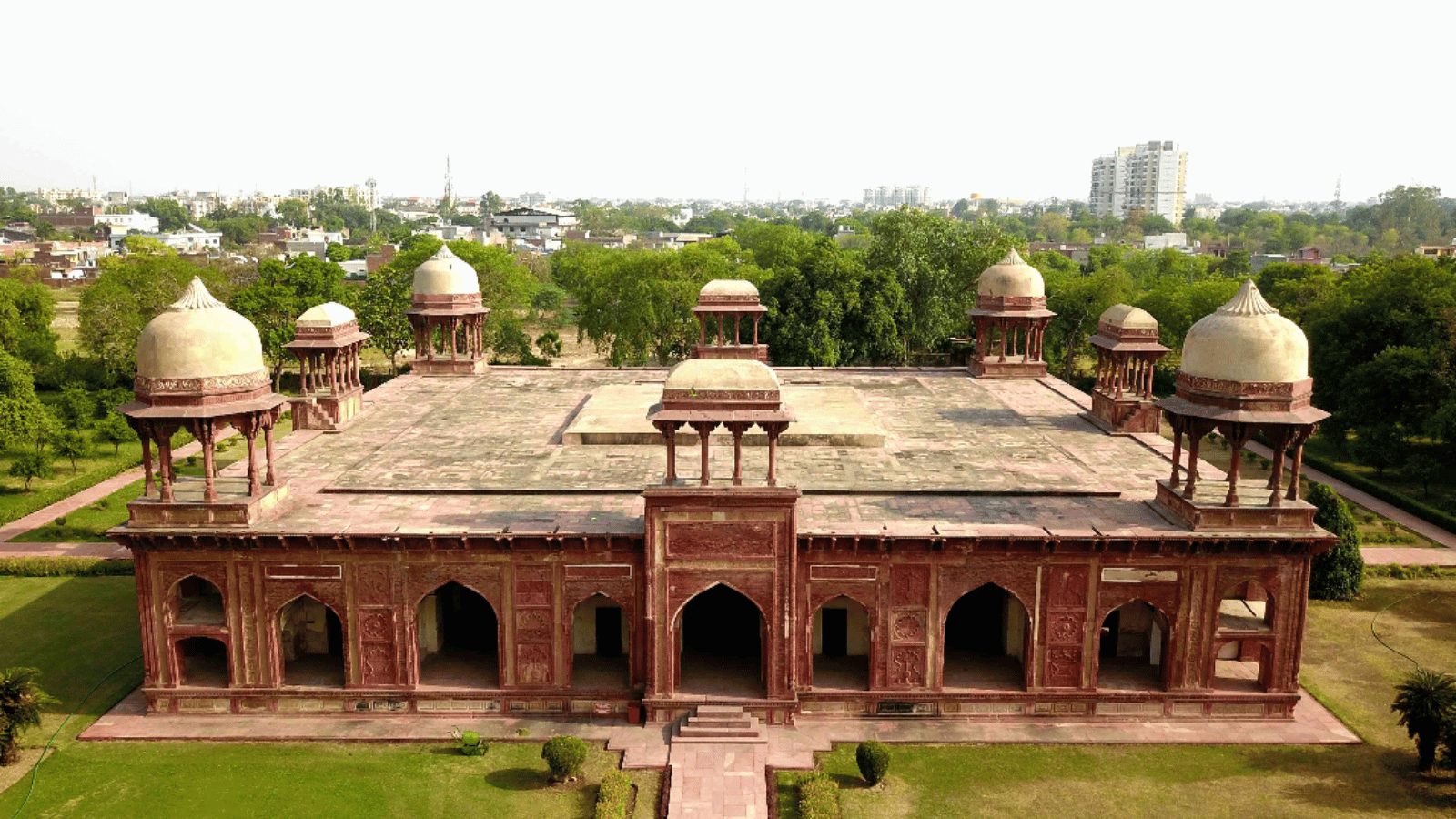
Mariam uz Zamani’s Tomb stands as a refined testament to the Mughal Empire’s artistic vision and cultural synthesis. Commissioned by Emperor Jahangir in honor of his mother, the Rajput Princess of Amer and wife of Emperor Akbar, the monument presents a serene commemorative setting shaped by intricate craftsmanship and imperial aesthetics.
Historical Background
Mariam uz Zamani held a prominent place in the Mughal court, and her mausoleum reflects both her stature and the cross cultural ties of her lineage. Built during the early seventeenth century C.E., the structure embodies a thoughtful union of Hindu and Islamic traditions. Its three storey design includes a lower chamber containing the grave, a middle level with the cenotaph, and an upper terrace that once overlooked a cultivated garden.
Location and Significance
The tomb is located in Sikandra, near Agra in India, positioned close to the celebrated mausoleum of Emperor Akbar. Its placement within a Mughal Garden emphasizes harmony with the surrounding landscape and offers insight into familial bonds, political alliances, and memorial practices of the era.
Architectural Materials and Design
The square plan rests at the center of a traditional garden layout. Red sandstone clads the baradari facades in finely carved panels arranged in geometric patterns executed in bas relief. Each corner presents an ornamental octagonal tower, while the exterior walls bear delicate carvings that highlight the blending of two artistic cultures and enhance the monument’s enduring elegance.


What visitors say
4| RUTVIK DEORE
 Edward Re
 Muris Demirovic
 Shiraz Alam
 Et tu Pratyush?