
Roopmati's Pavilion Mandu
 4.5•
4.5•
About the venue
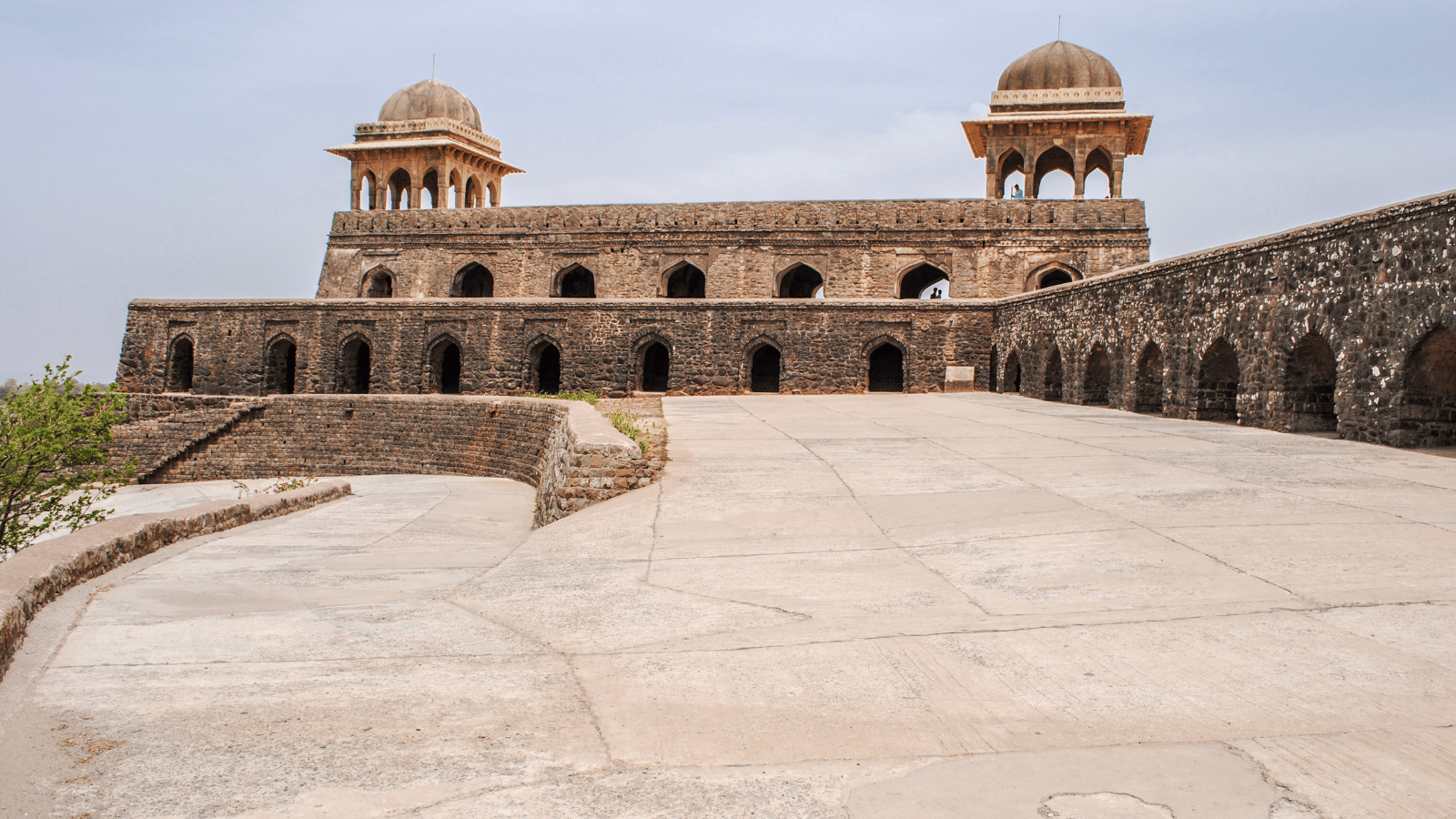
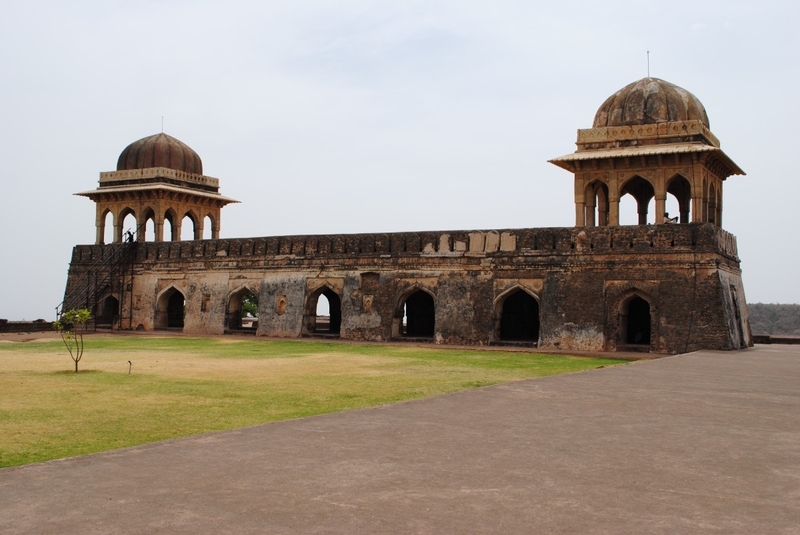
The Roopmati Pavilion, situated within Baz Bahadur Palace in Mandu, Madhya Pradesh, is associated with the celebrated name of Roopmati and forms an important landmark within the historic landscape of the Dhar region. Its setting on elevated ground provides wide views over the fort precinct and plains beyond.
Historical Background
The structure reflects several construction phases. The earliest portion, visible on the eastern side, is a low but substantial hall flanked by two rooms. Its sharply sloping walls and heavily proportioned arches point to a military purpose, offering surveillance over the surrounding terrain. Later additions extended the pavilion westward, introducing corridors and functional spaces suited to the needs of the palace complex.
Location and Significance
Located in Mandu, the site lies near numerous monuments including Dilawar Khan’s Mosque, Hoshang Shah’s tomb, Hindola Mahal, Jahaz Mahal, Jami Masjid, the Madrasa or Ashrafi Mahal, Malik Mughith’s Mosque, and Darya Khan’s tomb, all of which contribute to the region’s architectural legacy.
Architectural Materials and Design
The western extension forms a basement with long projecting corridors supported by arched openings. A large cistern in the western projection gathers monsoon rainwater through a channel from the roof. Steep wall profiles, robust arches, and integrated water management demonstrate thoughtful engineering and creative adaptation within the palace setting.


What visitors say
4.5| Asish Das
 Anshu Parmar
 Avinash Venkataraman
 Anshul verma
 Santosh Gupta