Sheikh Chilli’s Tomb commemorates Sufi saint Abdul Karim Abd-ur-Razak, known as Sheikh Chilli, the revered teacher of Mughal prince Dara Shikoh. Celebrated for his wisdom and generosity, Sheikh Chilli’s life exemplified learning, spiritual guidance, and moral values, leaving a lasting legacy in Indian history.
Historical Background
Located in Thanesar, Haryana, the tomb reflects the saint’s lifelong dedication to education. The complex includes a madrasa, symbolizing his commitment to teaching and scholarship. Serving as both a spiritual and educational center, the site highlights Mughal patronage of Sufi saints and the integration of religious, social, and intellectual pursuits in 17th-century India.
Location and Significance
Situated in Thanesar, Haryana, the tomb stands as a key example of Mughal architecture and Sufi cultural heritage. Its layout, including the madrasa and central tomb, provides insights into the educational and spiritual life of the period.
Architectural Materials and Design
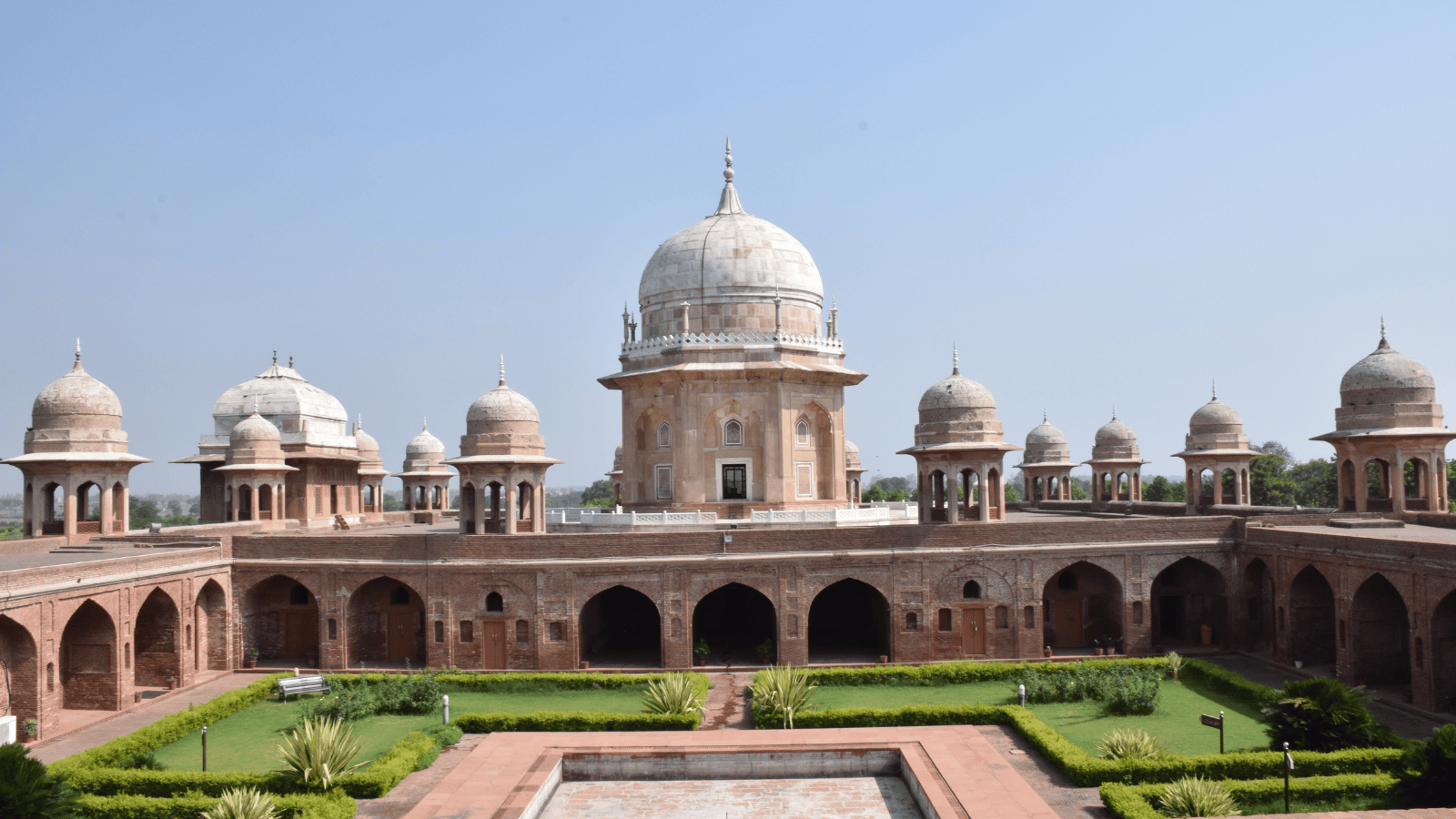
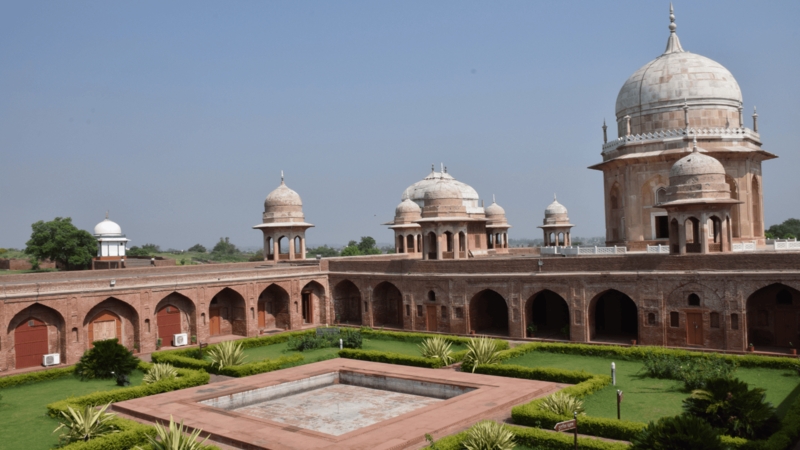
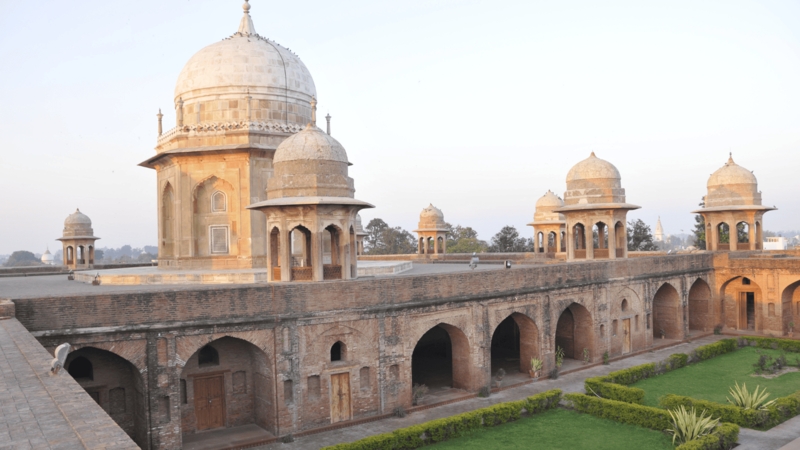
Constructed of buff sandstone, the octagonal tomb is crowned by a pear-shaped white marble dome atop a high circular drum. Arched recesses adorn its sides, while windows and openings are fitted with pierced white marble tracery screens. The central chamber houses the cenotaph of the saint, with the actual grave in a lower chamber accessible via a narrow gallery from the madrasa. The adjoining madrasa features a deep arcade of nine arched openings on each side of a central courtyard with a stone masonry tank. The tomb exemplifies Mughal architectural finesse combined with symbolic homage to a gracious teacher.

 4.3•
4.3•
 Ticket needed for all ages
 Entry allowed for all ages
 Kid friendly
 Pets not allowed
 Washrooms available
 Free water stations
 Gurjeet Singh
 Mayank Ranjan
 Blueprint roofing
 Ujjwal Panchal
 Suman Ayub