Sher Shah's Tomb Sasaram
About
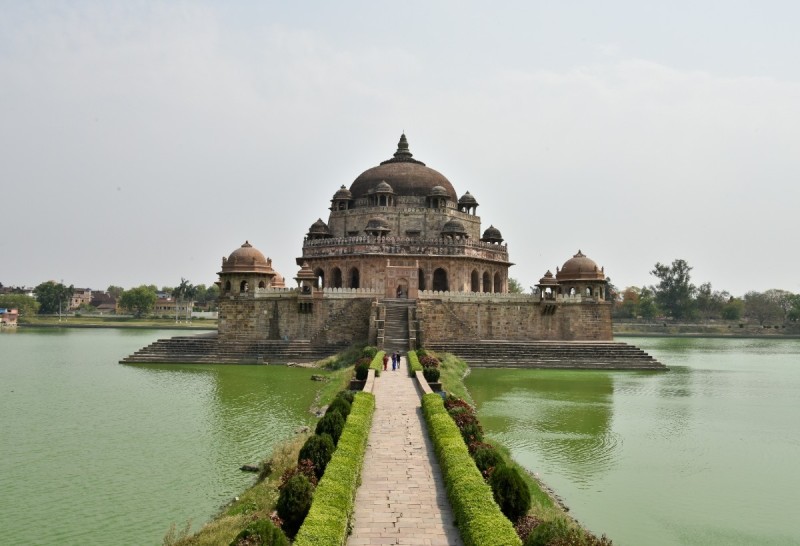
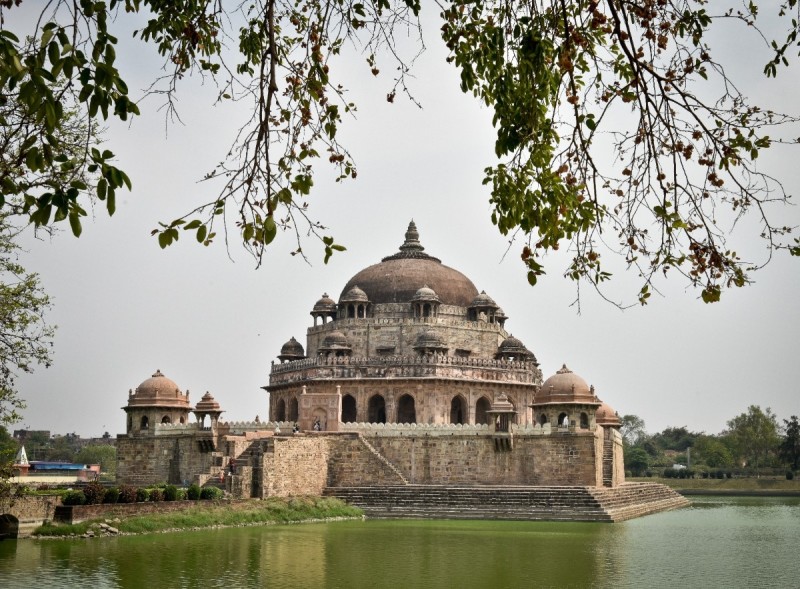
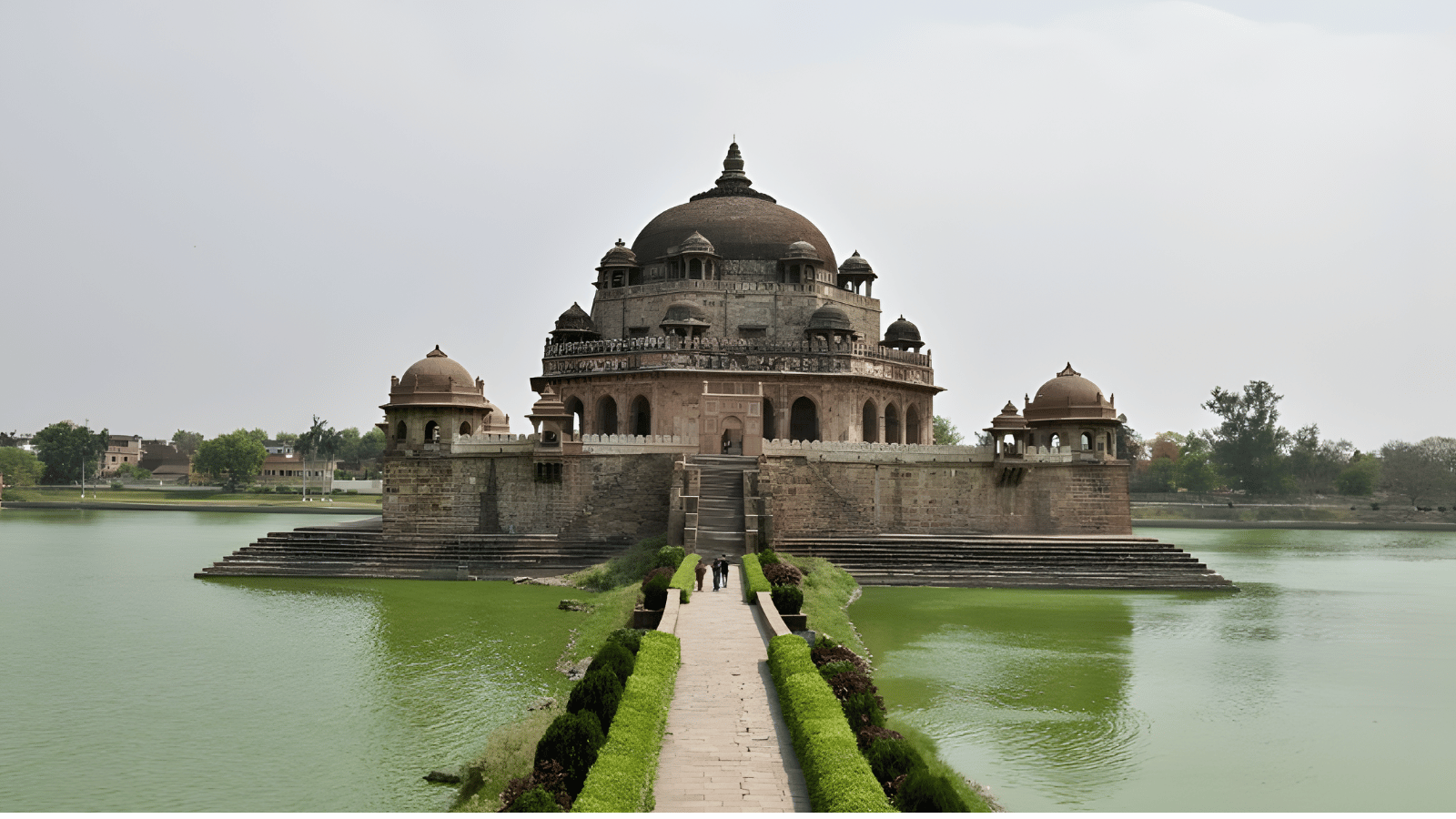
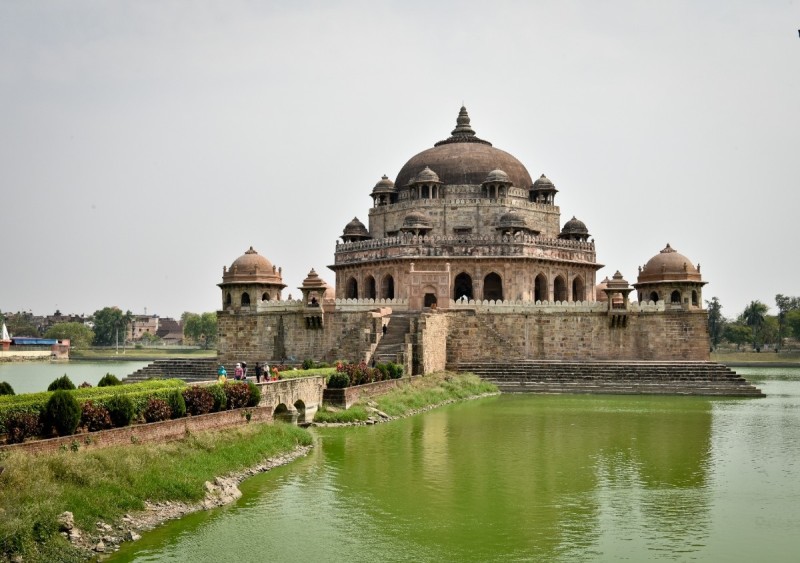
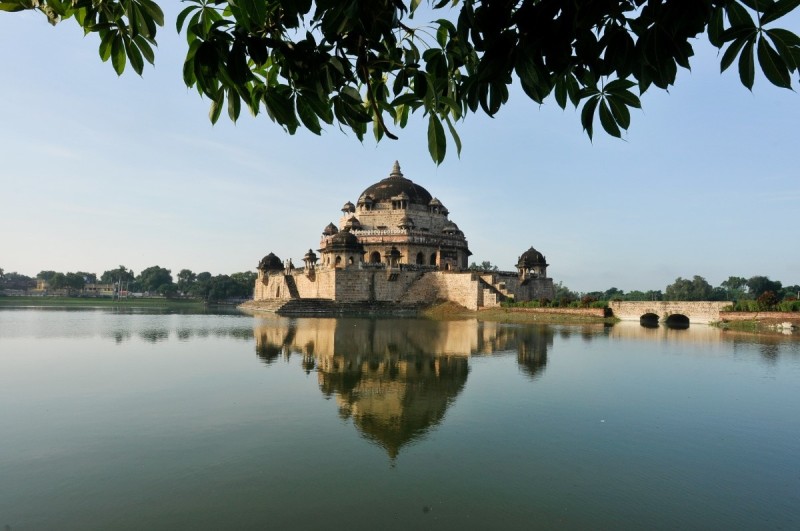
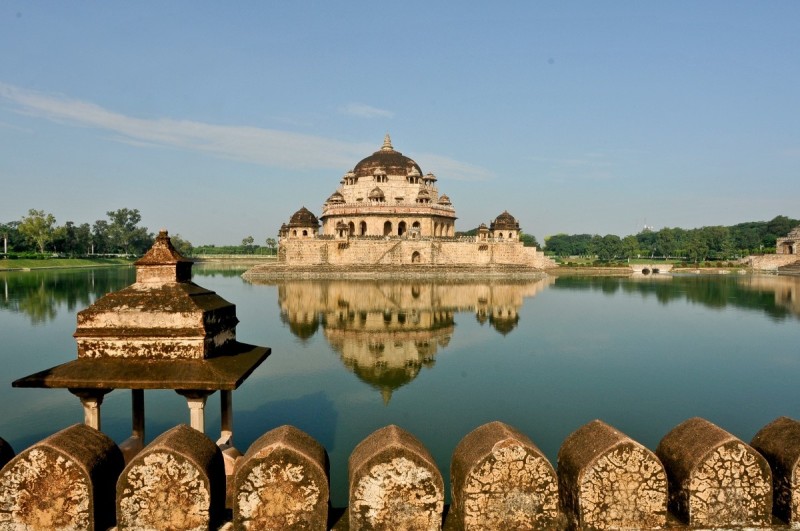
The tomb of Sher Shah Suri at Sasaram in Bihar is a distinguished example of Indo Islamic architecture. Rising from the centre of an artificial lake, the monument forms a striking silhouette, with its brick core faced in stone and its lime plastered dome creating a refined visual balance.
Historical Background
Built during the lifetime of Sher Shah and completed in 1545 C.E. under Islam Shah, the tomb reflects the ambition of the Sur rulers. The design follows an octagonal plan crowned by a dome and enriched with ornamental kiosks that once bore colored tile work. Its position on a broad stone terrace emphasizes the ceremonial and commemorative purpose of the structure.
Location and Significance
Situated in the historic landscape of Sasaram, the tomb illustrates the architectural sophistication of the Sur period. Its placement within a lake and its progression of terraces and approaches highlight both symbolic intent and aesthetic planning.
Architectural Materials and Design
The eastern side faces a baradari across the tank, while the west contains inlet and outlet channels forming a water management system. The interior is lit and ventilated through large windows fitted with stone jali patterns. Steep walls, robust arches, and the rain collecting cistern express an architecture shaped for climate, ritual, and durability.


What you’ll experience
A lakeside tomb glowing with serene Indo Islamic detail.
Special attractions
Stone jali windows and the octagonal island setting.
Perfect for
Visitors who love peaceful historic sites with beautiful architecture and lake views.


Gallery