Sultan Ghari is regarded as the earliest Islamic mausoleum in India, erected in 1231 C.E. to honor Prince Nasiruddin Mahmud, the eldest son of Sultan Iltutmish of the Slave Dynasty. The structure reflects the high esteem in which the prince was held and preserves memories of the formative years of the Delhi Sultanate.
Historical Background
Following Nasiruddin Mahmud’s death in 1229 C.E., Iltutmish brought his remains to Delhi and commissioned a monumental tomb. Excavations undertaken by the Archaeological Survey of India have revealed significant artefacts that illuminate early Sultanate funerary practices. Over time, the site has also become a place of veneration for nearby communities, reinforcing its layered cultural legacy.
Location and Significance
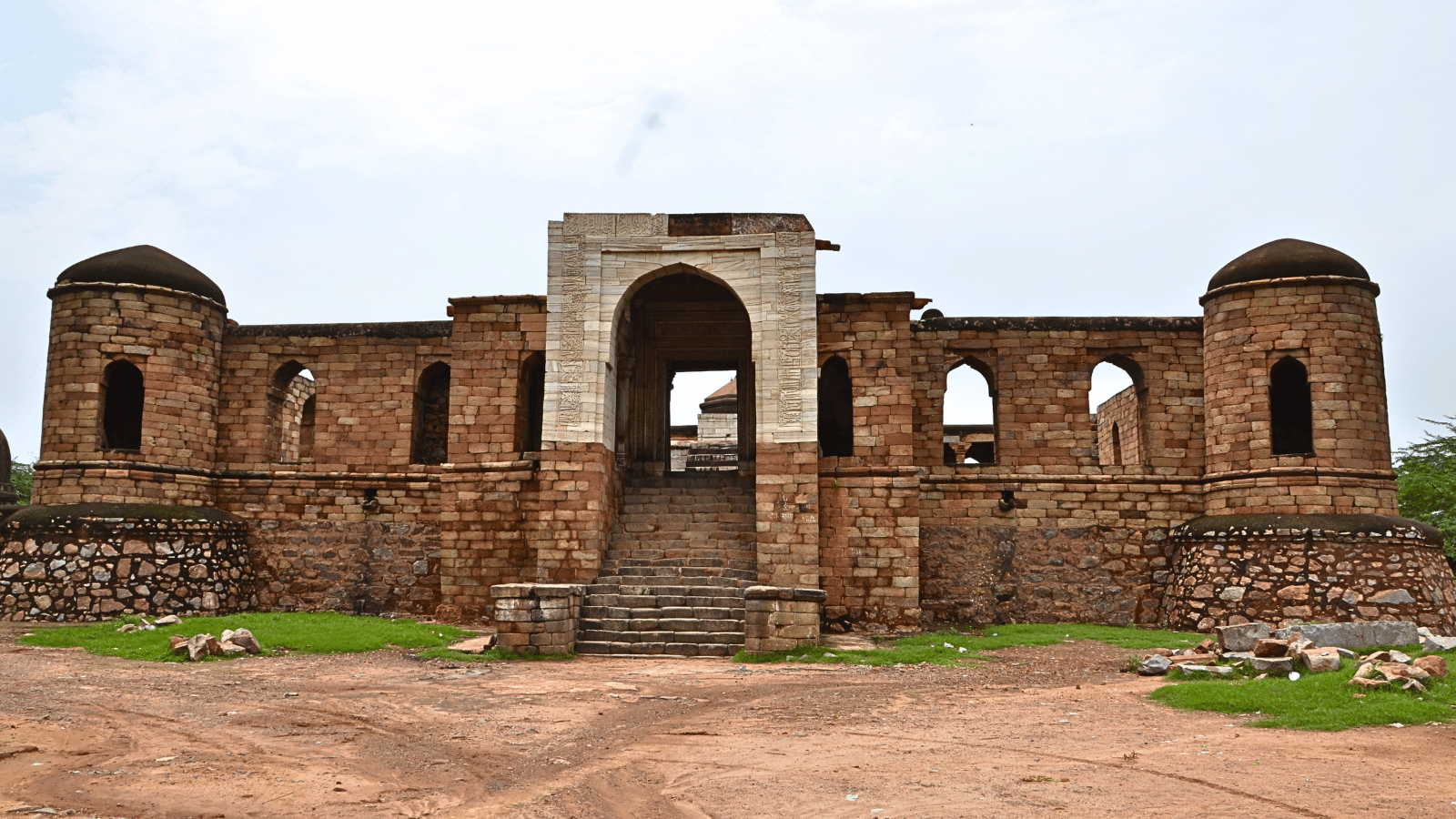
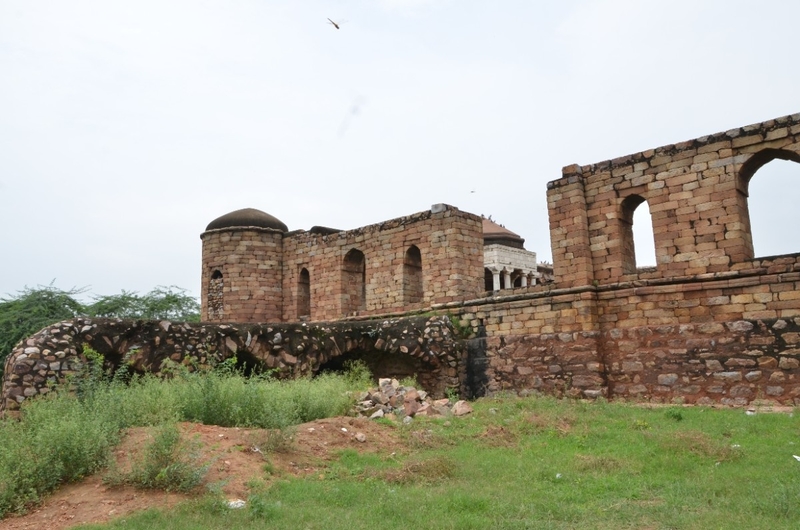
Situated in Delhi, the mausoleum rests in a secluded clearing surrounded by wild vegetation and reached by a dirt road that branches off the main route. Its isolation contrasts with the bustle of the capital and enhances perceptions of antiquity, mystery and reverence.
Architectural Materials and Design
The complex is a square sandstone enclosure raised on a plinth and resembling a modest fortress. Its inscription records the individuals interred, the patron and the date of construction. The tomb chamber lies underground in a cave-like space and is covered by a flat octagonal roof rising slightly above ground level.

 4.3•
4.3•
 Ticket needed for all ages
 Entry allowed for all ages
 Kid friendly
 Pets not allowed
 Free water stations
 Washrooms available
 GZR-genZreviews
 GGaty Rocks
 Sushil kumar kushwaha
 Gaming ,Creations & More
 Ananya Sharma