
Tughlaqabad Fort
 4.2•
4.2•
About the venue
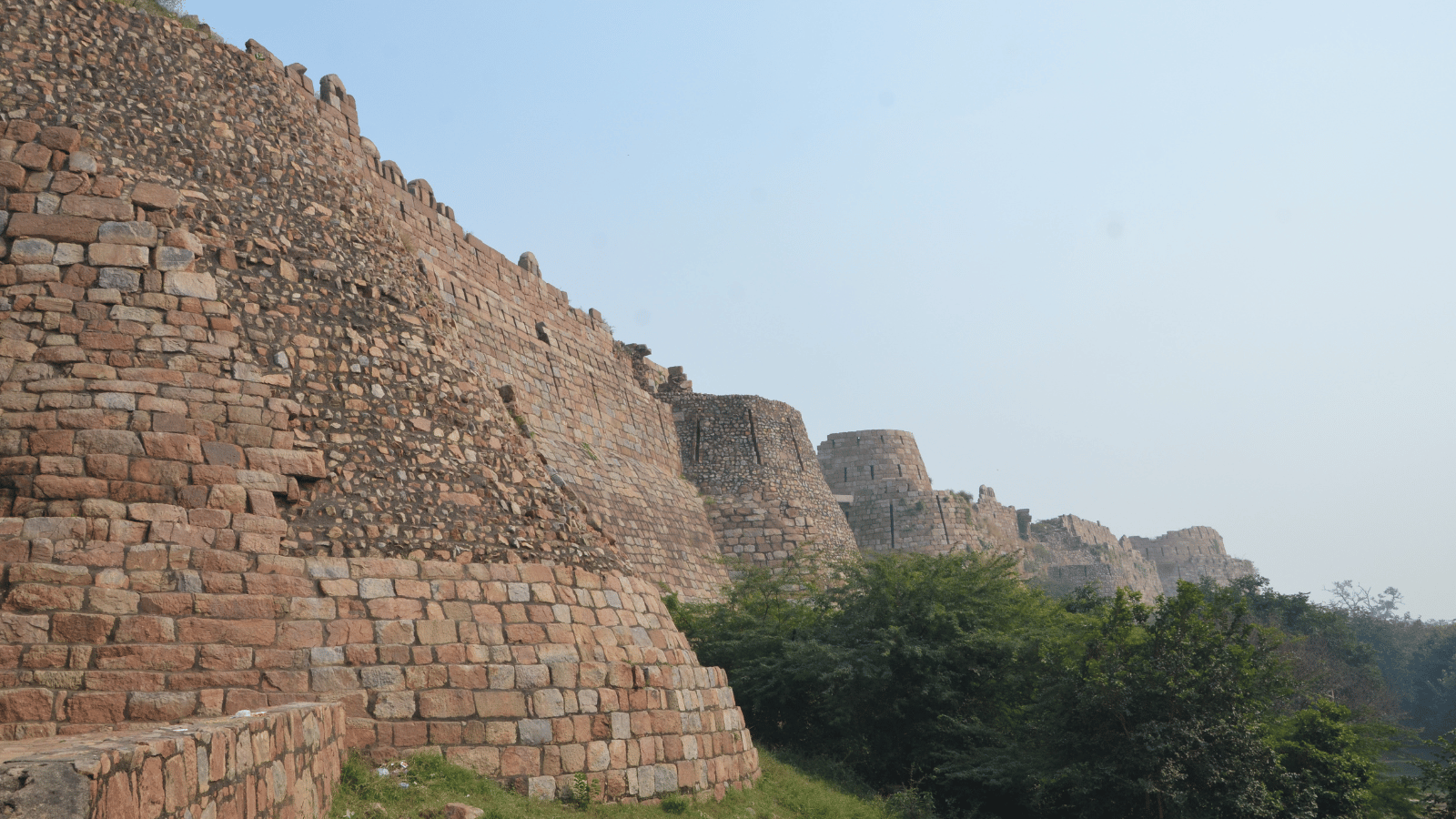
Tughlaqabad Fort is a monumental citadel that reflects the military ambition and architectural discipline of the early Tughlaq period. Its commanding form and rugged profile continue to convey an impression of formidable strength, making it one of the most visually striking historical structures in northern India.
Historical Background
Founded in the fourteenth century C.E. by Ghiyas al Din Tughlaq, the first ruler of the Tughlaq dynasty, the fortress was conceived as an impregnable capital embodying the strategic priorities of the new regime. The complex originally contained palaces, audience halls, reservoirs, and extensive defensive elements that collectively demonstrated the scale of the planned city. Although much of the site survives as substantial ruins, its layout still reveals the intentions of its builders.
Location and Significance
Situated in Delhi on the rocky formations of the Delhi Ridge, the fort commands wide views across the plains and occupies a position of notable strategic value. It remains a key medieval landmark, appreciated for its historical importance and for the insight it provides into the evolution of Delhi’s urban and defensive landscapes.
Architectural Materials and Design
Constructed with massive sloping stone walls rising sharply from natural elevations, the fort includes bastions, battlements, and gateways characteristic of Tughlaq military design. These features display the emphasis on robust materials and angular profiles that distinguish the architectural language of the dynasty.


What visitors say
4.2| Ankit Gupta
 Rangga Yudha - Erge
 Pragati Singh
 Ashish Sirawag
 Atif
Atif