Warangal Fort stands as an exceptional testament to the architectural and symbolic traditions of the Kakatiya dynasty. Its impressive layout and surviving monuments reflect a sophisticated understanding of urban planning and cosmic symbolism.
Historical Background
Believed to have existed since the 12th century C.E., the fort served as the capital of the Kakatiyas. While the Kakatiyas started it then, the major stone fortifications were completed in the 13th century by Ganapati Deva and Rudrama Devi. Researchers highlight the cosmic intent behind its circular plan, understood to represent the concept of Chakravartin Kshetra, a universal imperial realm.
Location and Significance
Situated in Warangal, Telangana, the fort occupies a prominent position within the modern town. Its accessibility by air, rail, and road and its proximity to Hyderabad make it a major destination for travellers drawn to heritage landscapes.
Architectural Materials and Design
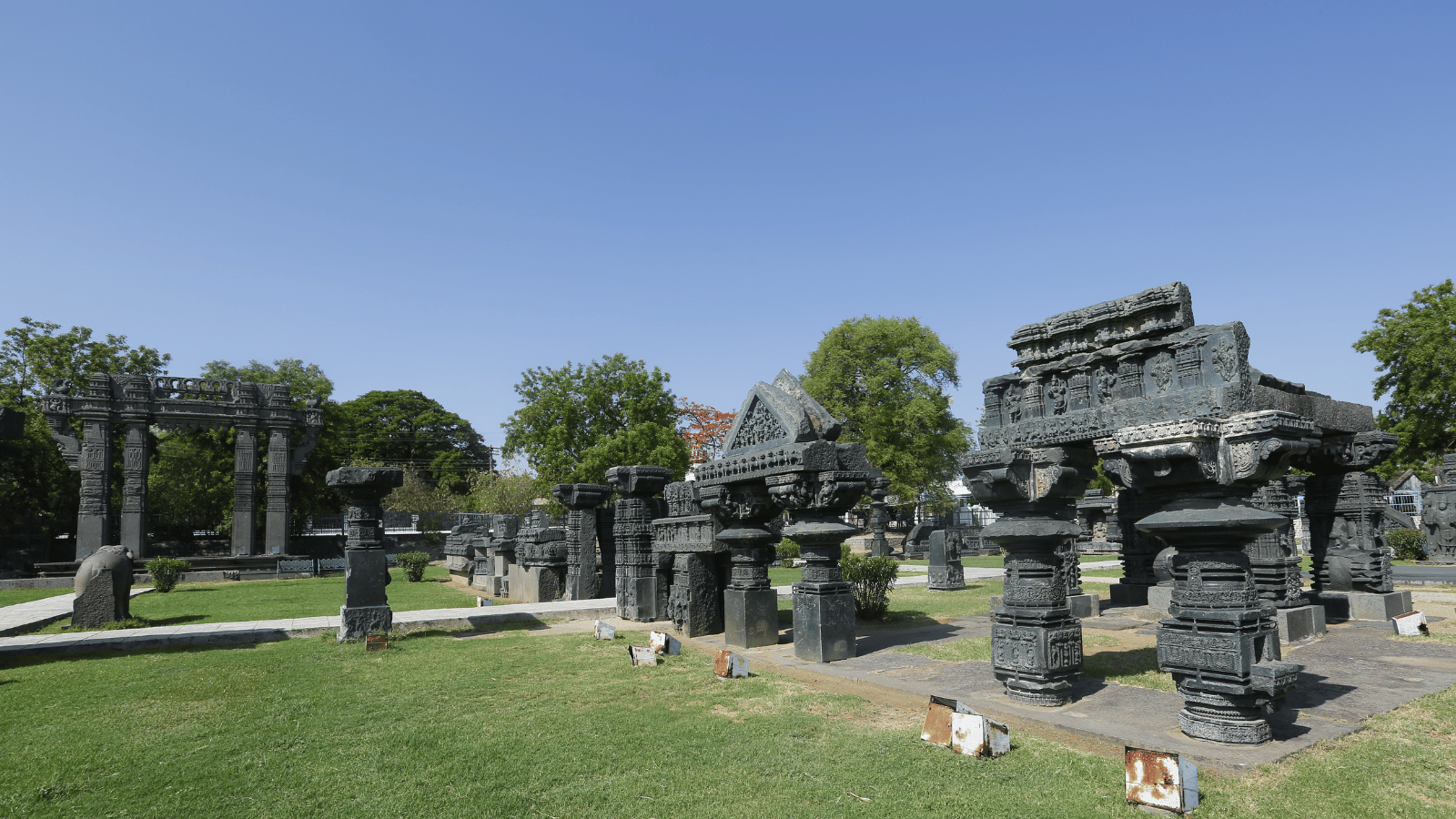
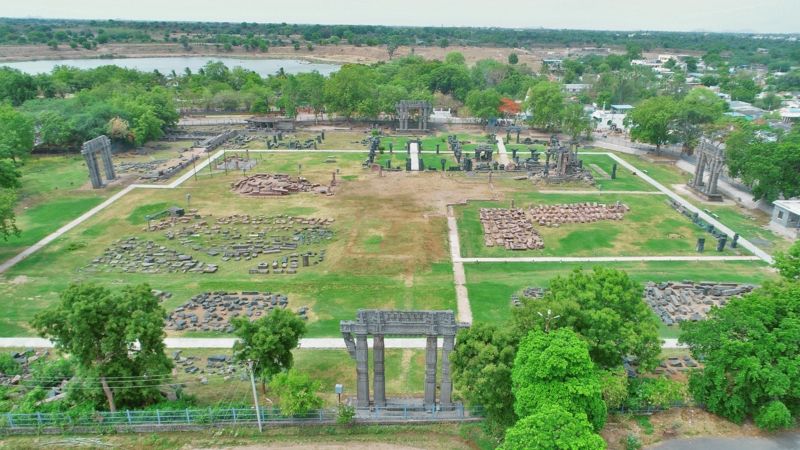
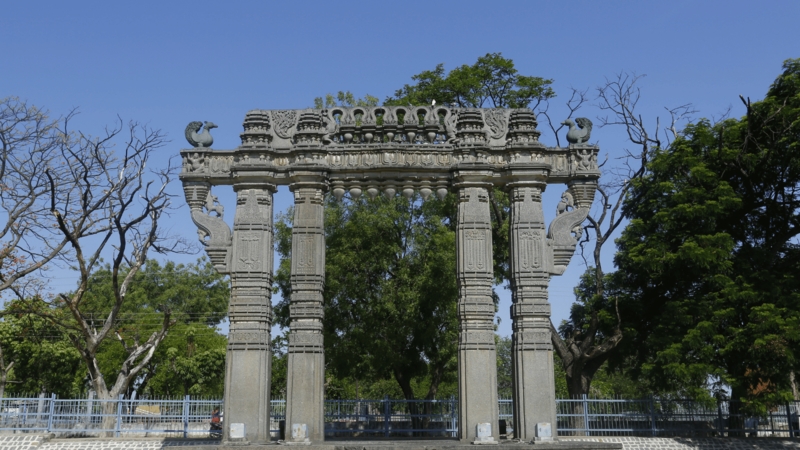
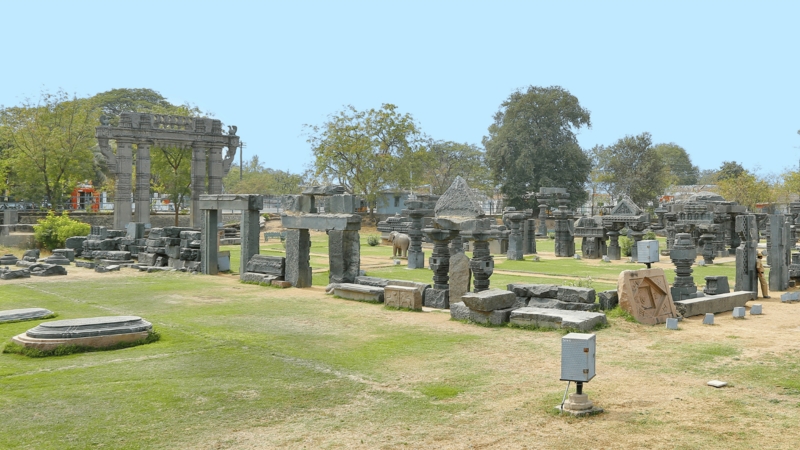
The fort comprises three concentric circuits. The innermost, built of massive granite blocks, spans 1.2 kilometres with gateways at the cardinal points. The second, an earthen circle, measures 2.4 kilometres, while the outermost stretches 12.5 kilometres. Within lie the remains of secular and religious structures, including the Svayambhuva temple complex marked by four hamsa toranas. Other notable remains include the Kush Mahal, multiple temples, mandapas, shrines, water structures, and the Konda Masjid.

 4.4•
4.4•
 Ticket needed for all ages
 Entry allowed for all ages
 Kid friendly
 Pets not allowed
 Free water stations
 Washrooms available
 Vishal Kathwal
 Raghu B
 Ajit
Ajit Sampath Lonka
 Gaurav