
Ahom Raja’s Palace Sibsagar
 4.5•
4.5•
About the venue
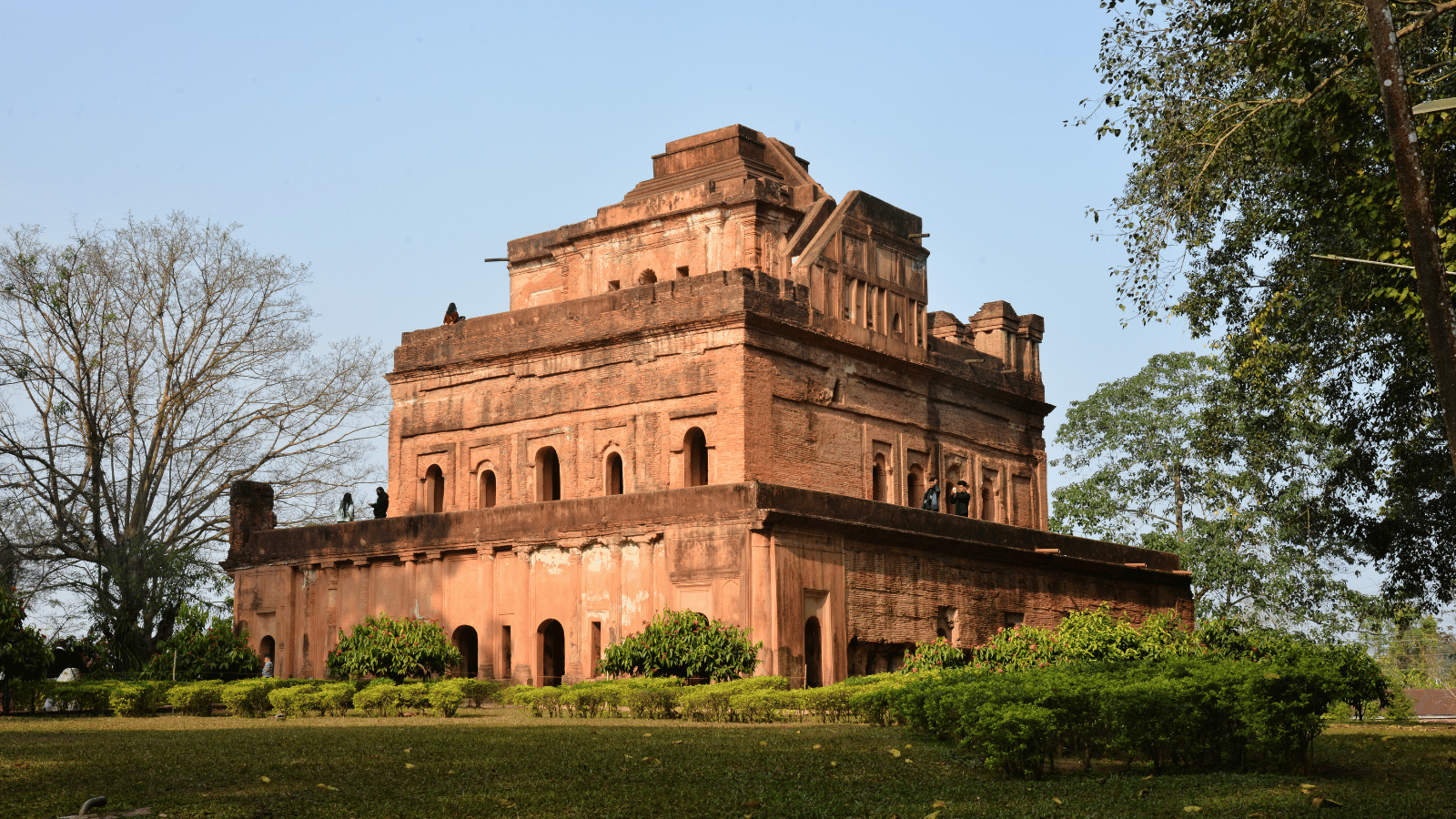
The Ahom Raja’s Palace at Garhgaon, Assam, stands as a commanding symbol of the Ahom Dynasty’s grandeur. Nestled amid lush greenery, the palace reflects both royal authority and architectural finesse, offering a striking window into Assam’s rich cultural heritage.
Historical Background
Originally constructed in 1540 C.E. by King Sulkengmung with wood and impermanent materials, the palace was reconstructed in 1752 C.E. by King Rajeswar Singha in brick. King Pramatta Singha further enhanced the complex with a brick wall and masonry gateway. Garhgaon served as one of the principal capitals, embodying the political and cultural prestige of the Ahom rulers.
Location and Significance
Located in Garhgaon, Assam, the palace preserves centuries of Ahom legacy. Its strategic and ceremonial importance, combined with surviving architectural elements, makes it a vital heritage site and an engaging destination for visitors seeking historical depth.
Architectural Materials and Design
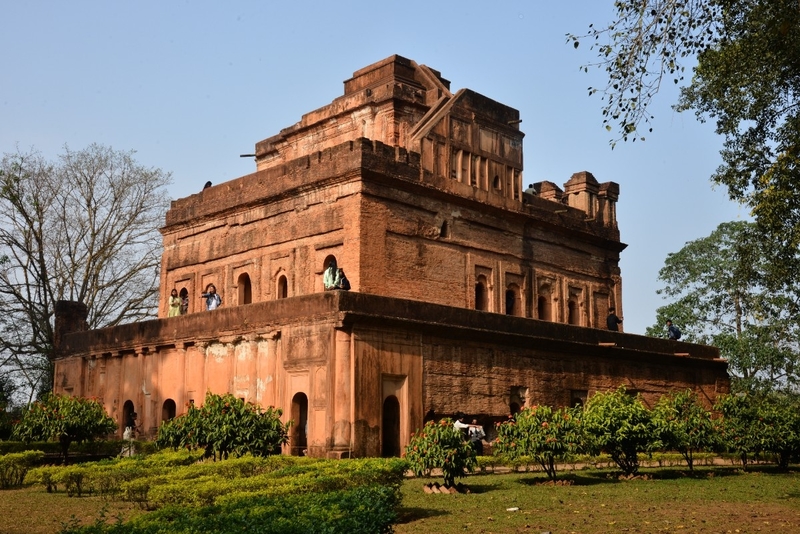
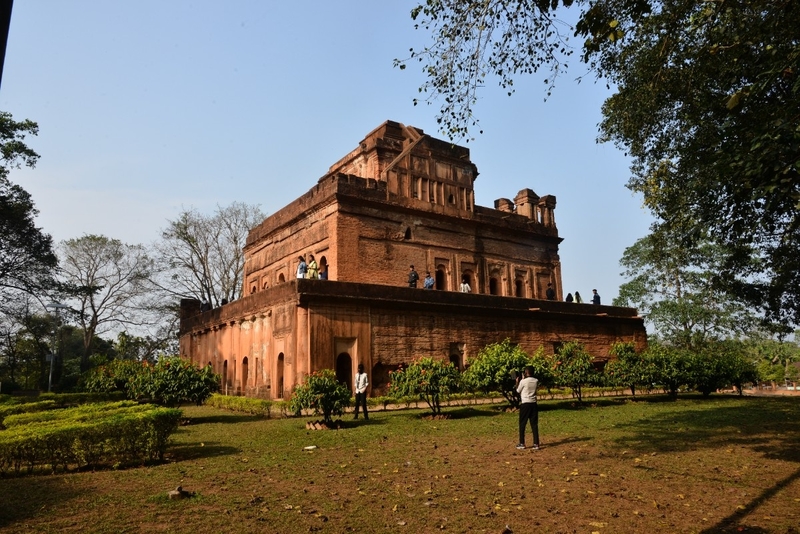
The nearly square palace rises five storeys, including an underground level. Each upper floor recedes to form terraces, and the top level features a dome-like chamber. The ground floor has three west-facing halls with semicircular arched doors and tall pilasters. Two of the original four watchtowers survive. A unique feature is the underground tunnel connecting the palace to the Talatal Ghar of Rangpur, historically used for safe escape during conflicts.


What visitors say
4.5| Vishal dubey
 Sayan Maiti
 Swapnil Bhuyan
 Sanjay Sinha
 Jyoti Prakash Kurmi