
Awantiswami Temple
About
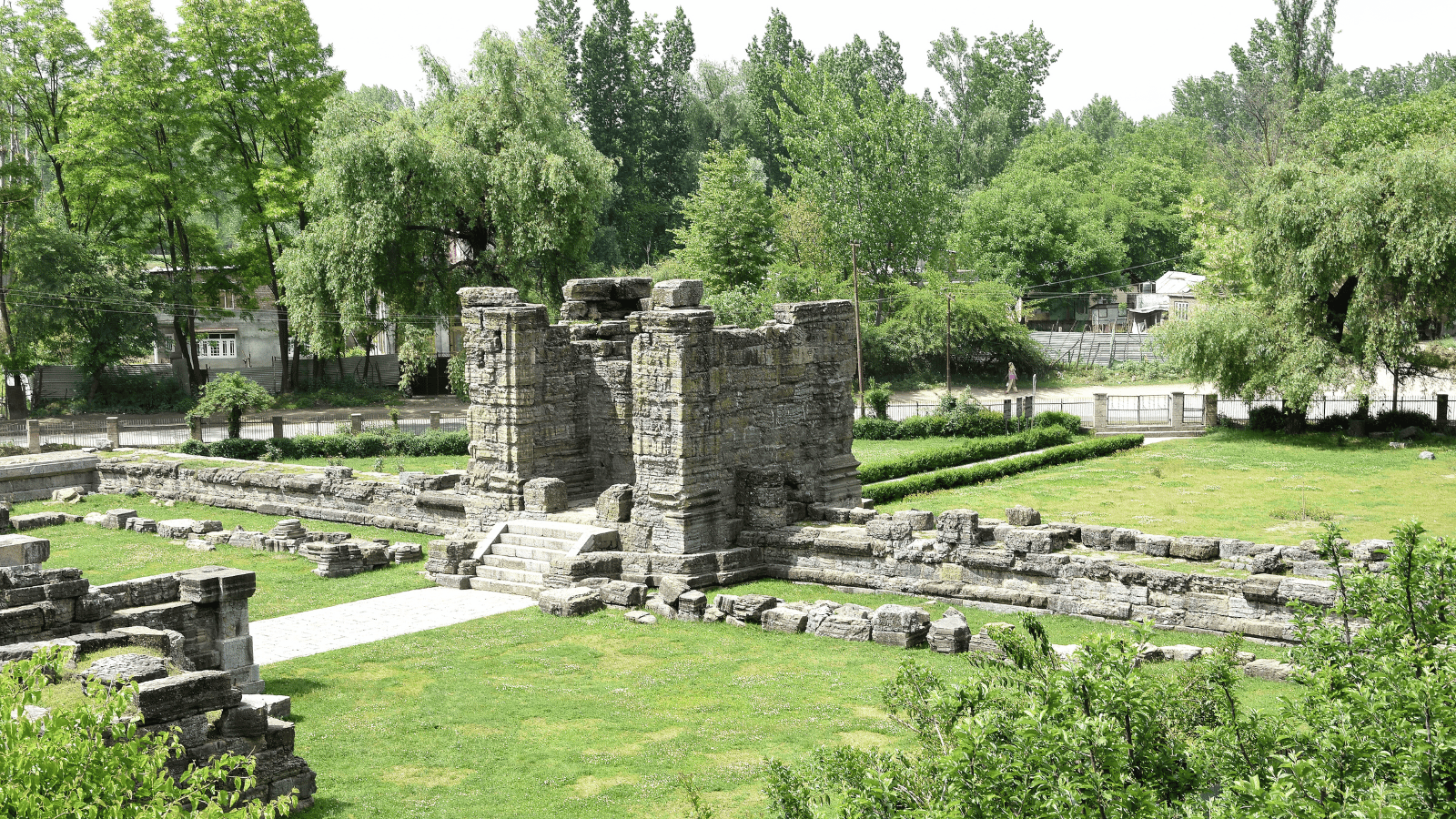
The Avantishwar Temple, situated on the banks of the Jhelum River in Jammu and Kashmir, is a striking example of early medieval Indian architecture. Built over a thousand years ago, it is dedicated to Lord Vishnu and embodies a masterly integration of art and architecture.
Historical Background
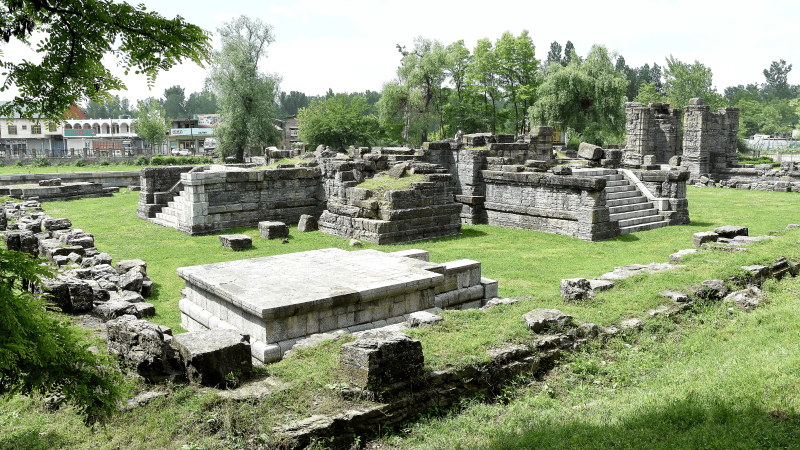
Commissioned by King Avantivarman (855–883 C.E.), the temple witnessed periods of invasion and destruction during medieval times, leaving it in ruins. Excavations in the early twentieth century uncovered the temple, leading to extensive restoration efforts. It is now protected by the Archaeological Survey of India, preserving its cultural and historical significance.
Location and Significance
Located in Jammu and Kashmir, the temple is a key heritage site, attracting visitors for its religious, historical, and architectural importance. It offers insights into the artistic achievements of the period and the devotion of its patrons.
Architectural Materials and Design
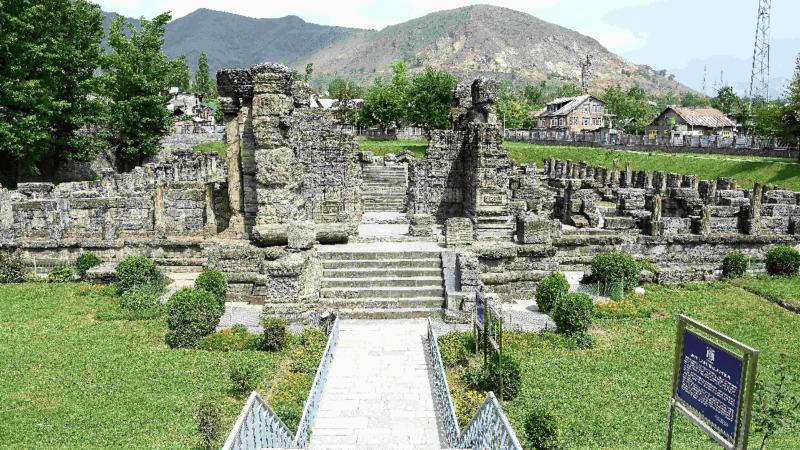
The temple is raised on a two-tiered high platform and approached by a staircase adorned with sculptured reliefs. The main sanctum is square internally and triratha externally. Parapets flanking the staircase depict figures of Kamadeva, King Avantivarman, his queen, and attendants. The overall layout is proportionate, with graceful figural sculptures and skillful carvings, showcasing the finesse of early medieval artisans


What you’ll experience
Early medieval temple ruins and riverside heritage.
Special attractions
Carved staircase, sculpted reliefs, and Vishnu shrine remains.
Perfect for
Visitors interested in Kashmiri temple architecture and Vaishnavite heritage


Gallery