The Buddhist Caves of Junagadh, set within the foothills of the Girnar range, represent an exceptional manifestation of ancient architectural skill and spiritual heritage. Their interiors preserve traces of artistic refinement that illuminate the cultural vitality of the region during early Buddhist traditions.
Historical Background
Dating from the 1st to 4th century C.E., the caves formed an active center of Buddhist practice and learning. First documented in 1822 by the British archaeologist Sir James Tod, the groups reveal layers of craftsmanship that reflect the devotional and educational functions they once served within the broader Buddhist landscape of western India.
Location and Significance
Situated in Junagadh in the state of Gujarat, the cave complexes hold enduring significance as a window into the evolution of Buddhism in this part of the Indian subcontinent. Their preserved artistic features offer insight into regional cultural exchange, spiritual expression and the refinement of early rock cut traditions.
Architectural Materials and Design
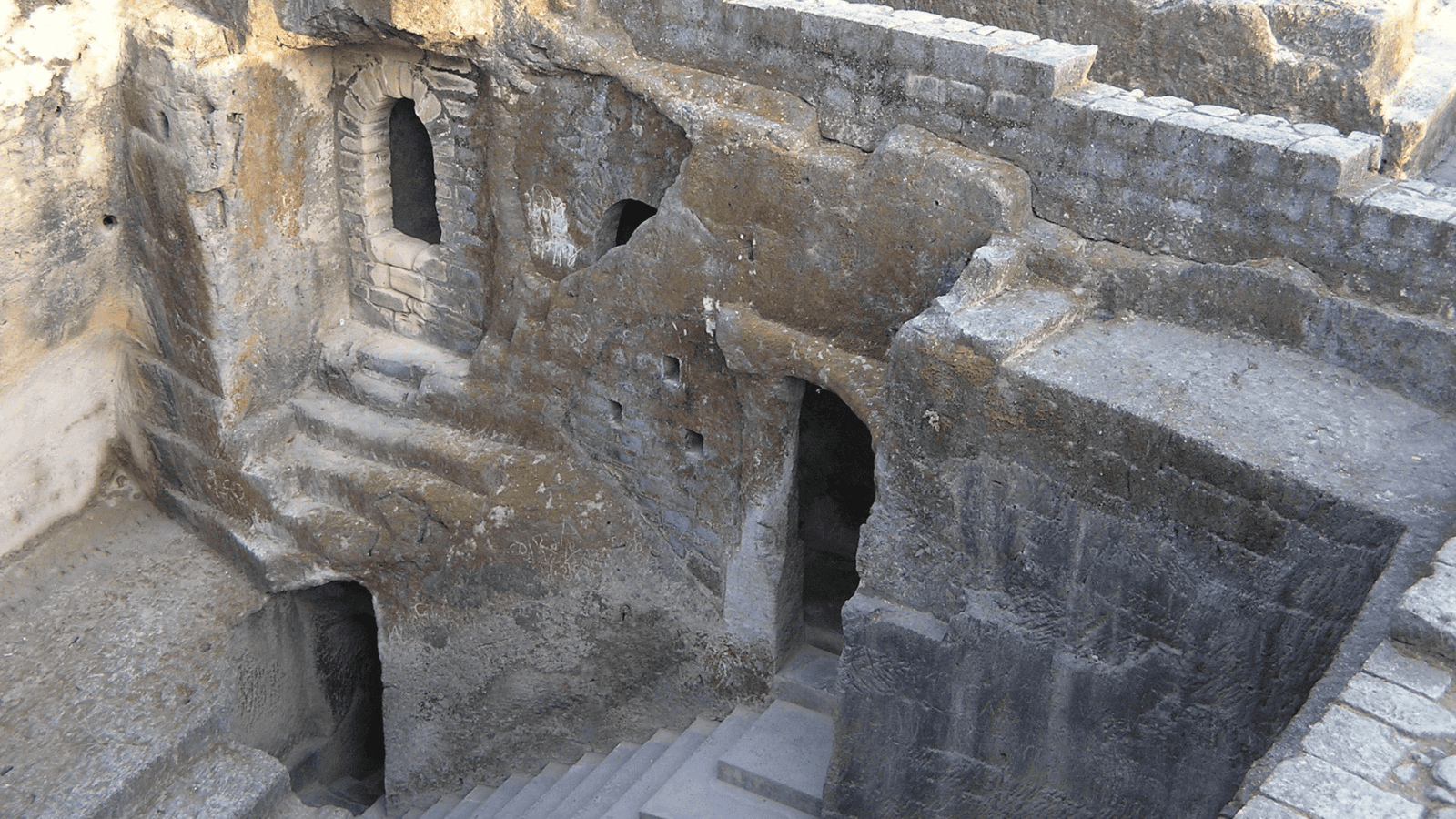
The site comprises three principal cave groups: the Baba Pyare Caves, the Khapra Kodiya Caves and the Uperkot Caves. Carved into living rock, the chambers display sculpted surfaces, meditative spaces and carved decorative programs that demonstrate the dedication and skill of the artisans responsible for their creation.

 4.3•
4.3•
 Ticket needed for all ages
 Entry allowed for all ages
 Kid friendly
 Pets not allowed
 Free water stations
 Washrooms available
 Bhavesh Virani
 saurabh shrotriya
 Himanshu Pandey
 Pallavi Anantwar
 D B
D B