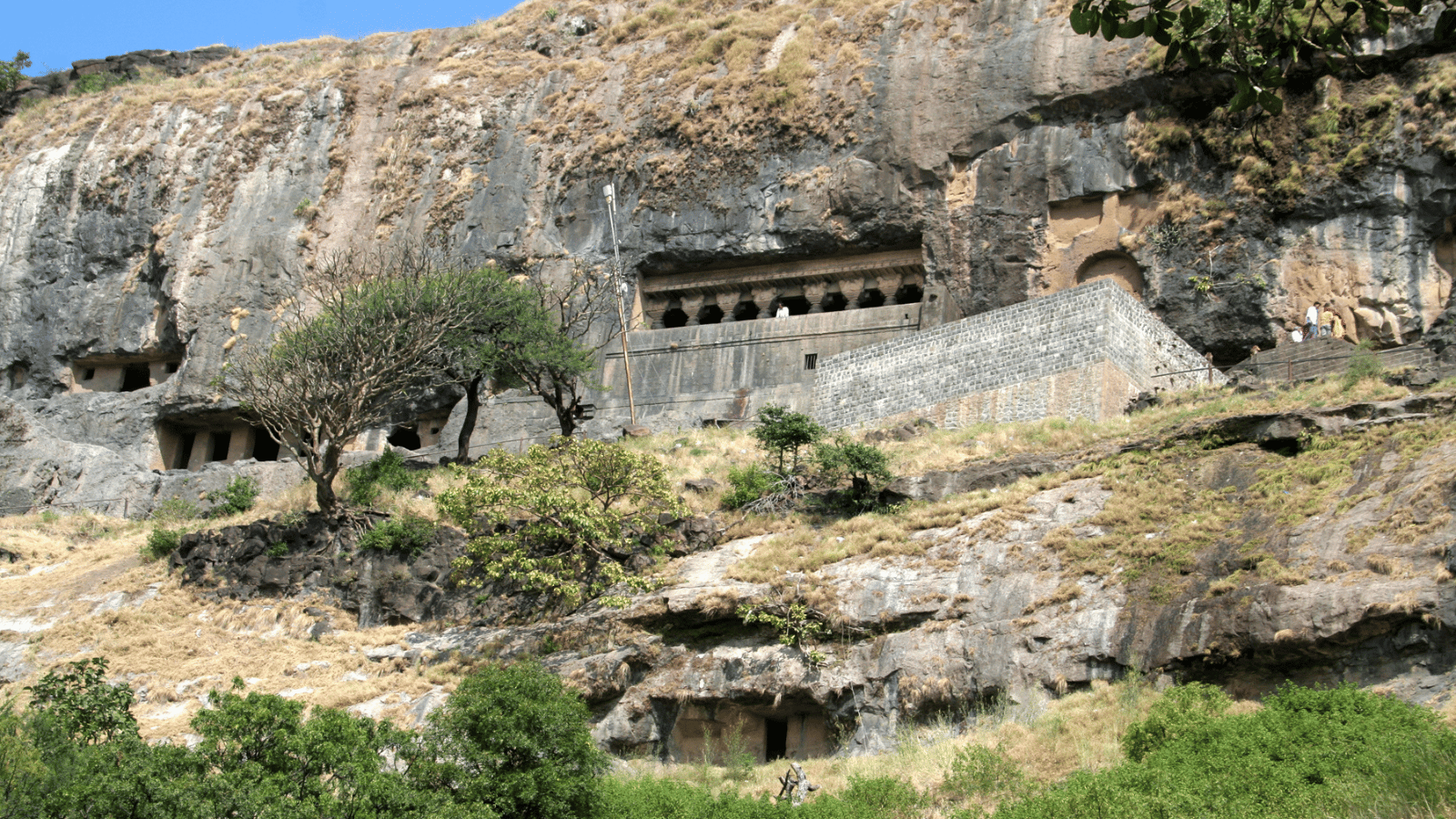
The Junnar group of caves represents the largest concentration of excavations in western India, comprising more than 250 carefully hewn rock cut monuments. These caves embody an advanced expression of early Buddhist architectural activity and illustrate the sophistication achieved by artisans working in the region’s rugged hillsides.
Historical Background
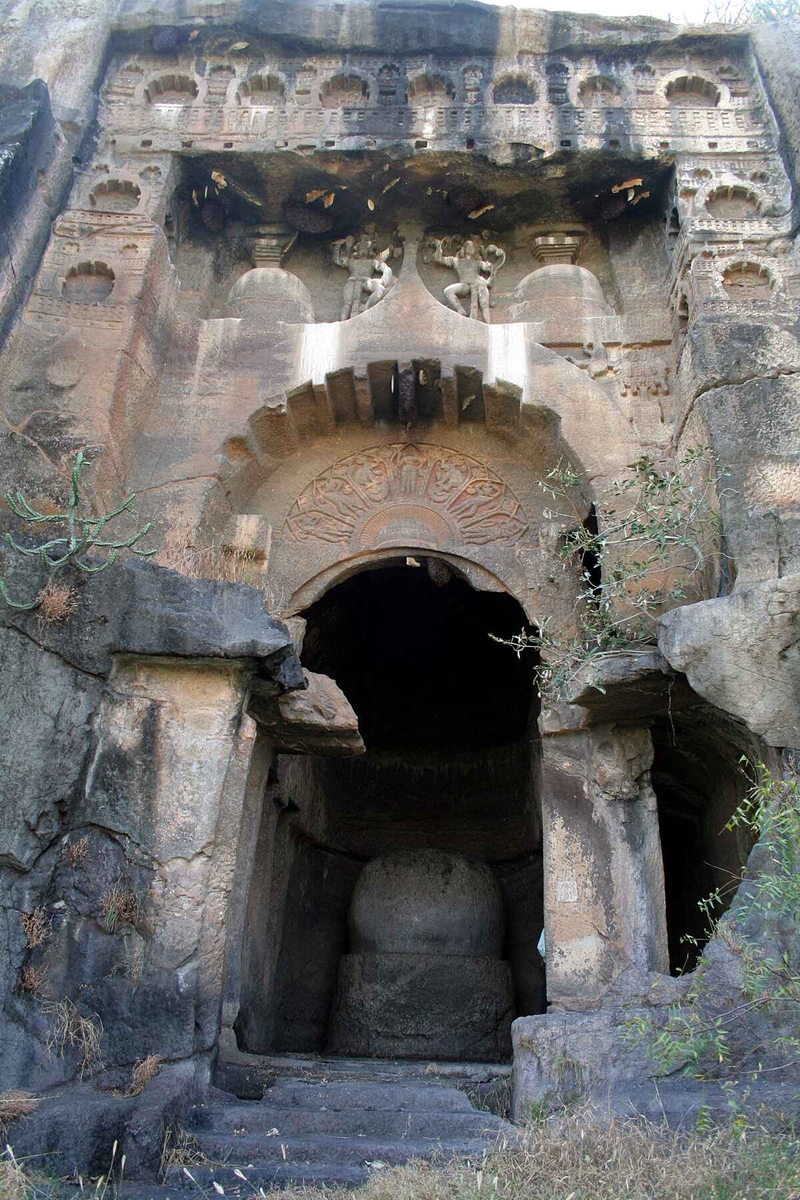
Belonging to the Hinayana tradition of the 1st century C.E., the caves gain exceptional historical value from the numerous inscriptions carved across their chambers and façades. These inscriptions supply important palaeographical evidence that assists in establishing the relative chronology of the excavations. The sustained occupation and cultural activity in the area were closely linked to the availability of ample water resources, which supported a thriving ancient settlement.
Location and Significance
Situated around Junnar in Maharashtra, the cave complexes occupy four separate hills known as Tuljalena, Manmodi, Ganesha Pahar, also identified as Sulaiman, and Sivaneri. Their distribution across the terrain highlights the scale of monastic expansion and underscores the site’s prominence as a regional Buddhist center.
Architectural Materials and Design
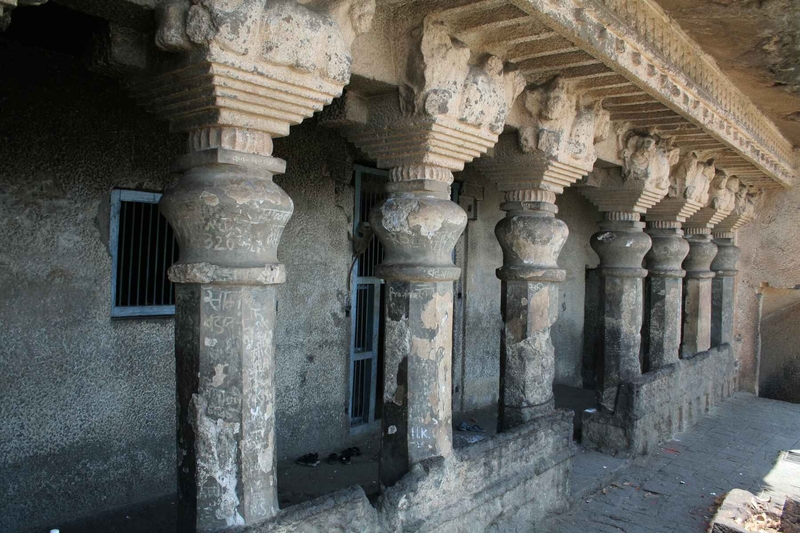
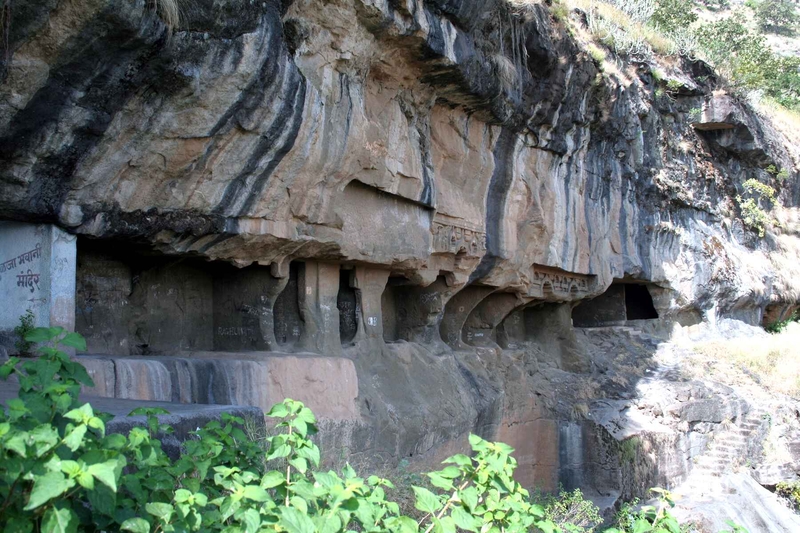
The caves are carved directly into basaltic hill faces and exhibit a variety of rock cut forms, including residential viharas and devotional spaces. Their inscriptions and structural features contribute significantly to understanding early Buddhist monastic planning in peninsular India.

 4.7•
4.7•
 Ticket needed for all ages
 Entry allowed for all ages
 Kid friendly
 Pets not allowed
 Free parking
 Free water stations
 Tapan Dave
 Aniket Bhosale
 Sanket Chaskar
 Satyavan Auti (Satya)
 Amit Pazare