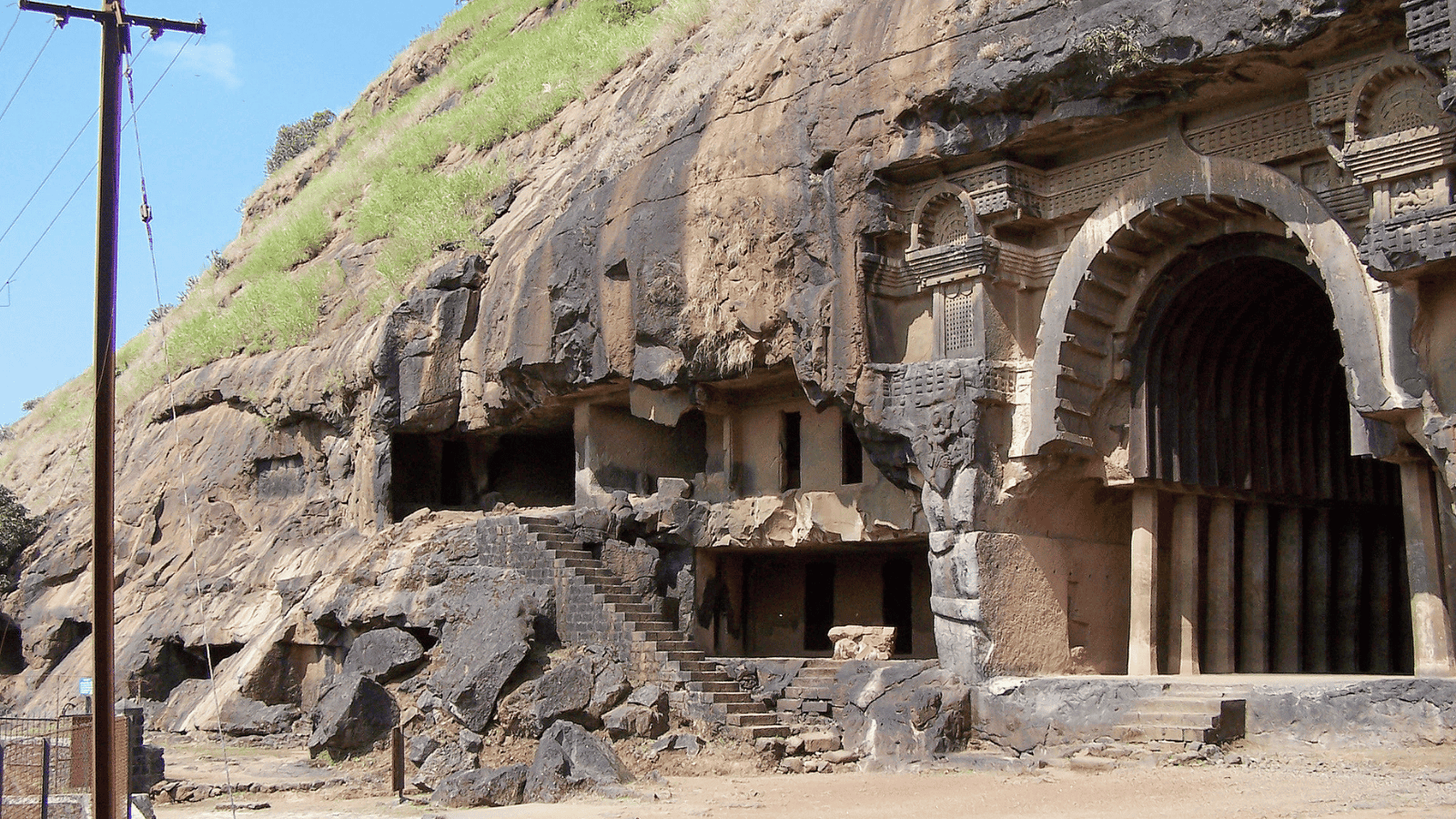
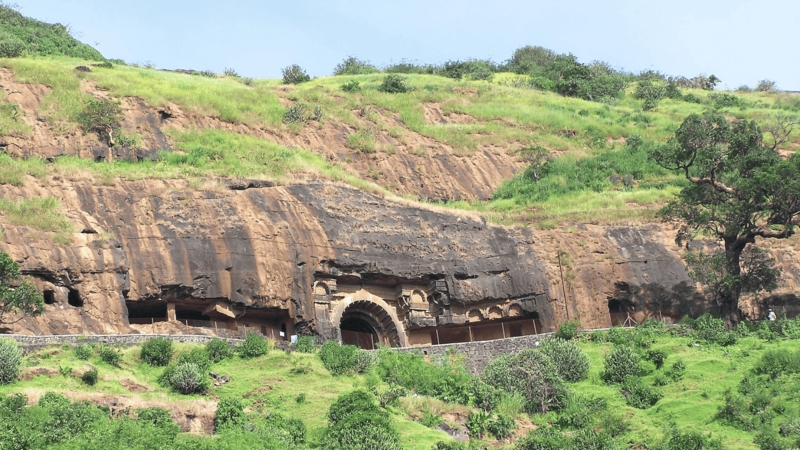
The Bhaja Caves, located in the village of Bhaja in Pune district of Maharashtra, are an early example of Buddhist rock-cut architecture in India. Nestled in the scenic hills of the Western Ghats, these twenty-two caves, dating from the 2nd century BCE, reflect the ingenuity and craftsmanship of ancient Indian architects and their devotion to religious expression.
Historical Background
Belonging to the Hinayana phase of Buddhism, the caves represent a period when the Buddha was worshipped in an aniconic form. The site comprises monastic and worship spaces, providing insight into the early Buddhist way of life. Visitors can appreciate the continuity of religious traditions through the centuries, reinforced by inscriptions and artistic depictions within the caves.
Location and Significance
Situated in the Western Ghats of Maharashtra, Bhaja Caves occupy a prominent position in ancient trade and pilgrimage routes. Their location and scale highlight the cultural and spiritual importance of the region in early Buddhist history, making them a significant destination for historians, devotees, and travelers alike.
Architectural Materials and Design
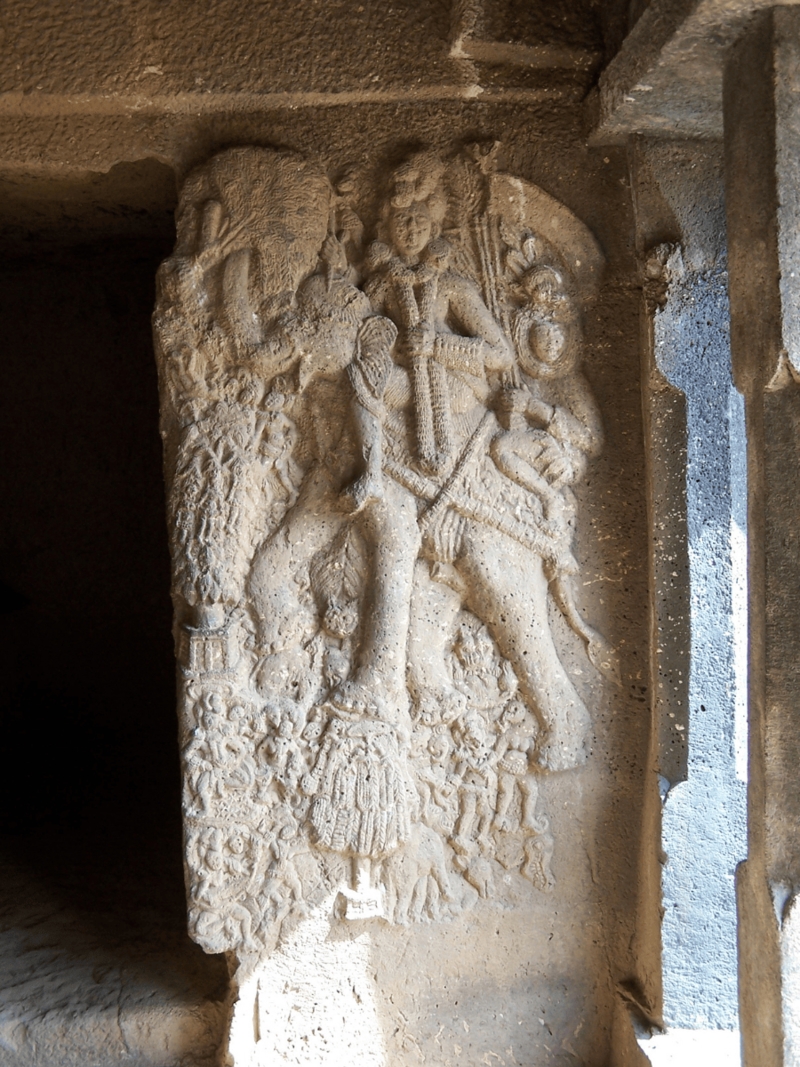
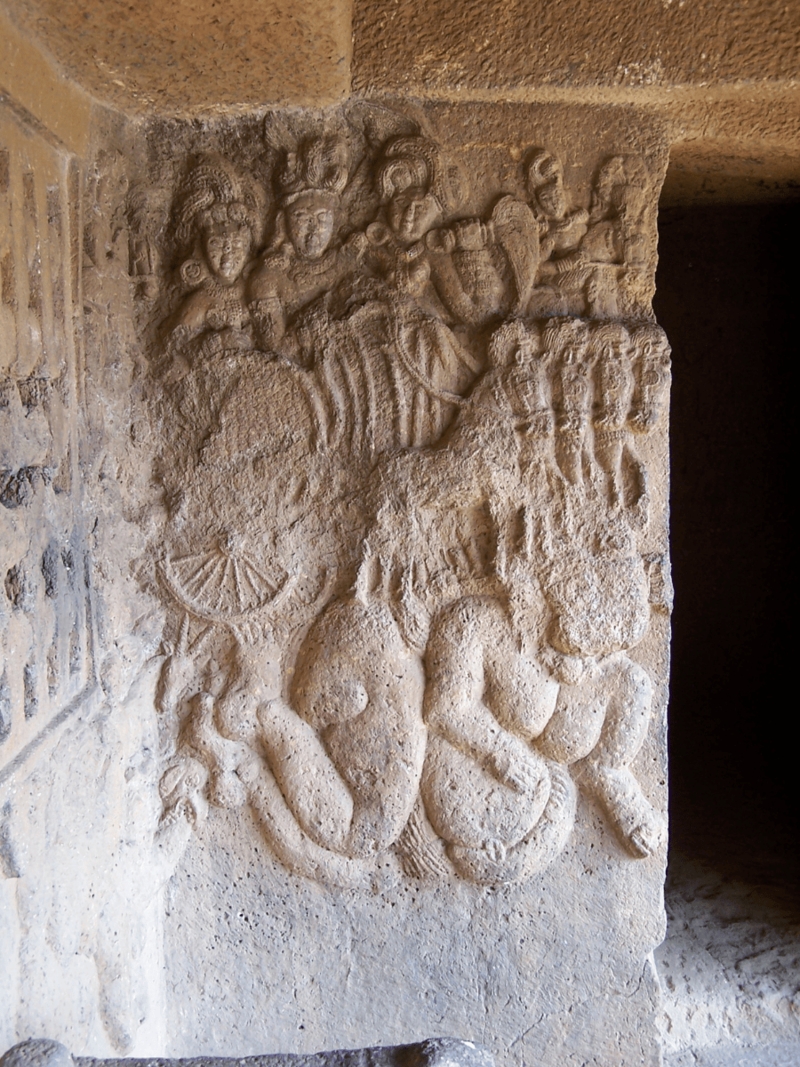
The principal cave is a chaitya-griha with a vaulted and ribbed ceiling, a central nave, and side aisles separated by tall pillars. A hemispherical stupa on a cylindrical drum stands at the rear, while the intricate carvings on walls, doorways, and pillars demonstrate exceptional attention to detail. The caves exemplify early rock-cut construction techniques and artistic precision, offering a tangible connection to ancient Buddhist architectural traditions.

 4.4•
4.4•
 Ticket needed for all ages
 Entry allowed for all ages
 Kid friendly
 Pets not allowed
 Free water stations
 Washrooms available
 Mohi
Mohi Abhishek Nath
 Ashish
 TEZ
TEZ Vishal Sawant