
Buddhist Caves Nasik
 4.5•
4.5•
About the venue
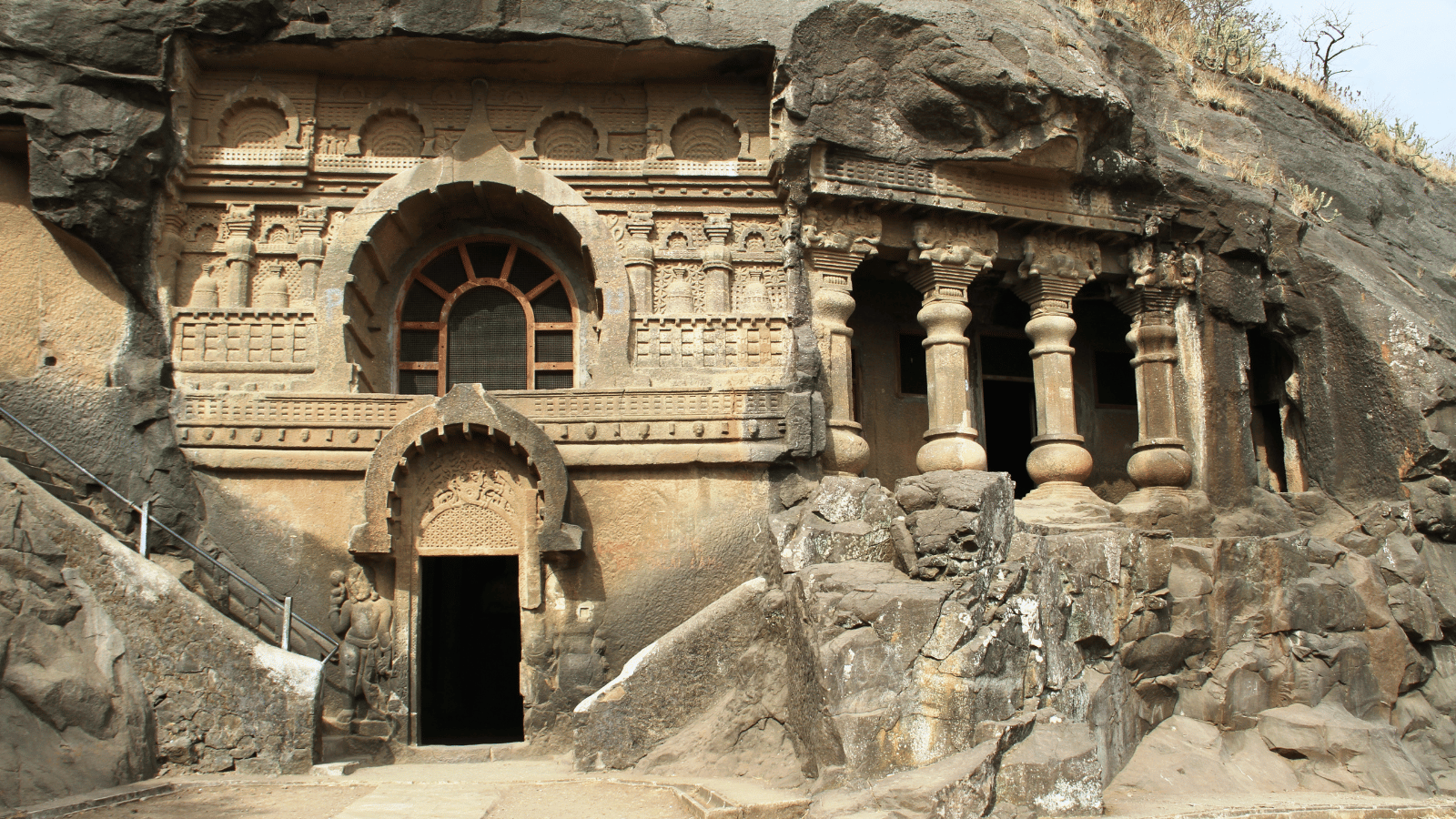
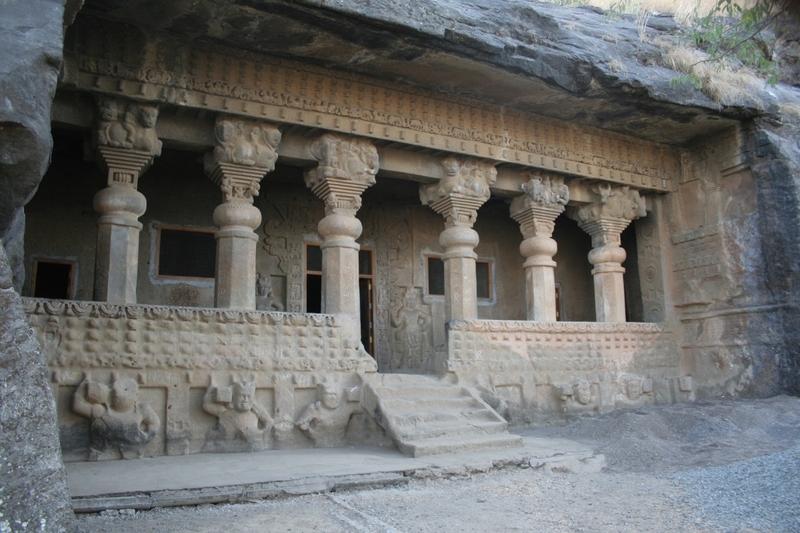
The Pandav Leni Caves represent an exceptional example of early Indian rock-cut architecture and reflect the technical and artistic abilities of Buddhist communities across several centuries. Set along the slopes of the Trirashmi hill, the complex presents a refined combination of spiritual intent, structural discipline, and visual craftsmanship that continues to attract visitors seeking historical depth and cultural resonance.
Historical Background
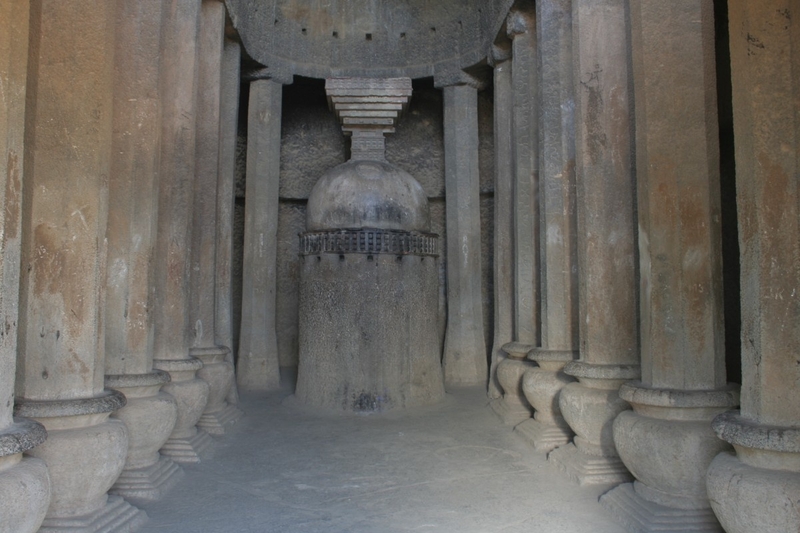
Carved between the first century BCE and the sixth or seventh century C.E. The caves are associated with the Satavahana and Kshaharata dynasties. Many were created during the period when Hinayan Buddhism was predominant, resulting in early chambers without images of the Buddha. Over subsequent centuries, several caves were modified and adorned with sculptures of the Buddha and Bodhisattvas, reflecting the gradual transition toward more image-based devotional practices.
Location and Significance
Located in Nashik, Maharashtra, the caves overlook the surrounding region from their elevated position on the Trirashmi hill. Their placement demonstrates careful monastic site planning and highlights the cultural, religious, and artistic development of western India. The complex remains a significant historical landmark for understanding Buddhist patronage and architectural evolution.
Architectural Materials and Design
The site contains twenty-four rock-cut caves, each distinct in layout and detail. Their interiors remain plain and unadorned, contrasting with façades marked by intricate carvings. The caves also feature a skilled water management system, including chiseled cisterns and reservoirs, which illustrates the engineering precision and planning of ancient artisans.


What visitors say
4.5| Santosh Bhagat
 Alexzander Vicklif
 Vignesh
 Saksham Jamwal
 Meena Nikam