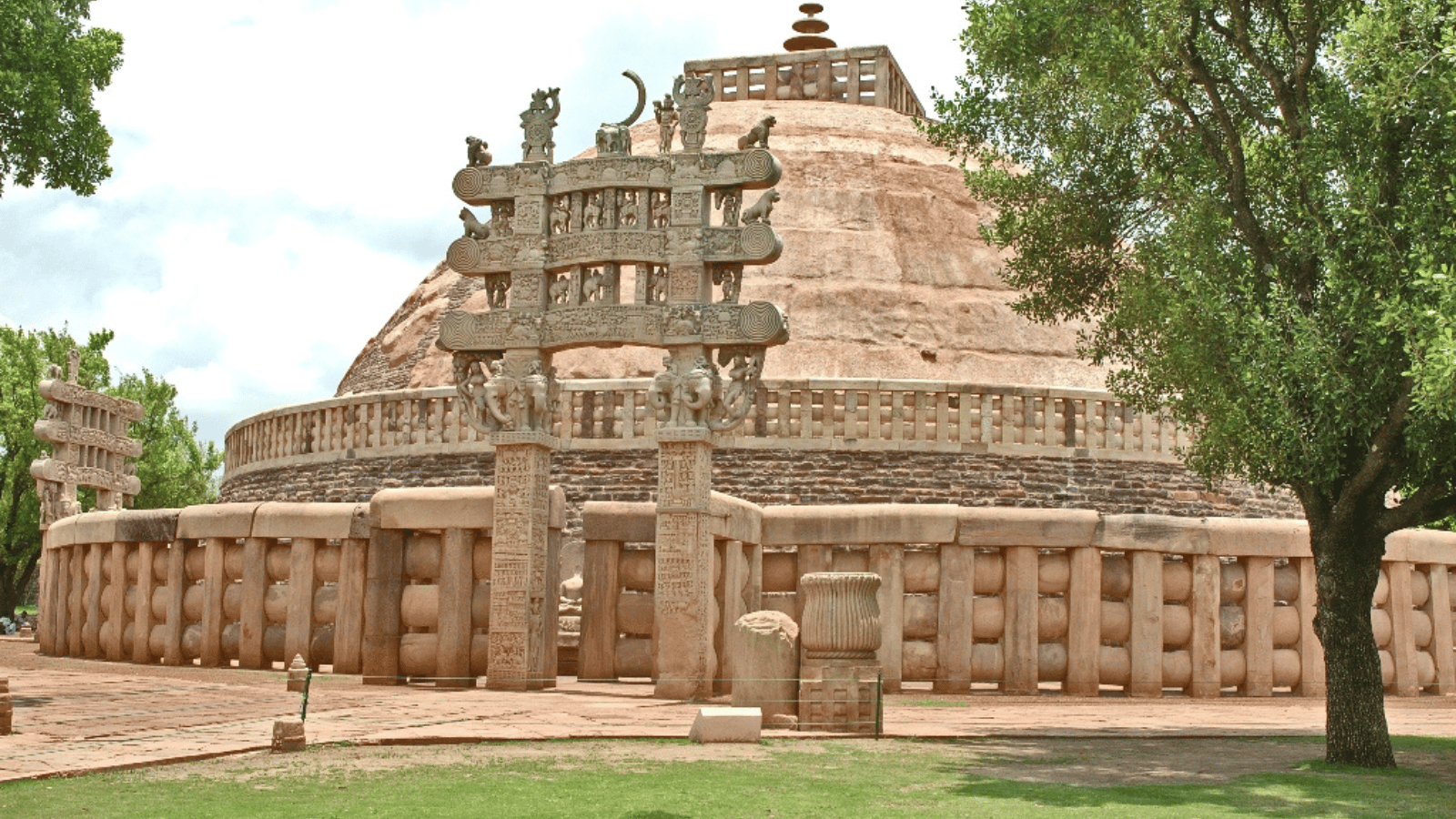
The Buddhist site at Sanchi in the Raisen district of Madhya Pradesh contains monuments dating from the 3rd century B.C.E. to the 12th century C.E. These structures form one of the most important and best preserved ensembles of Buddhist art and architecture in India.
Historical Background
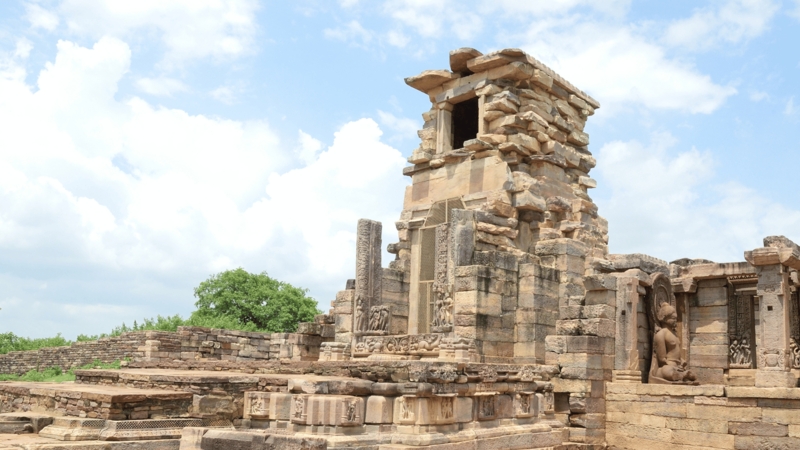
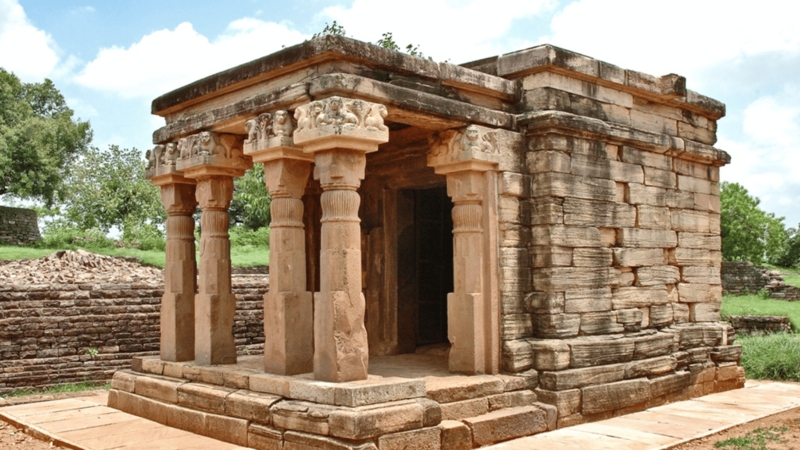
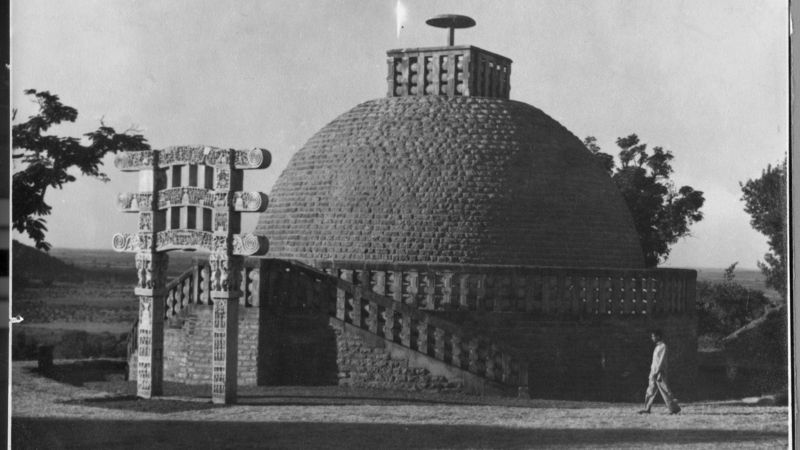
The Great Stupa or Mahastupa, commissioned by Ashoka between 273 and 236 B.C.E., was intended to enshrine the relics of the Buddha. Enlarged during the Shunga period with stone veneering, balustrades, a staircase, and a harmika, it reached its definitive form in the 1st century B.C.E. when the Andhra Satavahana rulers sponsored the elaborately carved gateways. Smaller stupas, such as Stupa No. 2 and Stupa No. 3, date to the Shunga era, while shrines and monasteries reflect construction phases between the 7th and 12th centuries C.E.
Location and Significance
Situated in central India, Sanchi gained renewed attention after its rediscovery in 1818. The site is central to the study of Buddhism and is represented on the reverse of the two hundred rupee banknote, underscoring its cultural resonance.
Architectural Materials and Design
The complex includes hemispherical stupas, monasteries, and temples with sculpted railings, gateways, and narrative carvings. Conservation efforts led by Taylor, Johnson, Cunningham, Maisey, Cole, and Marshall between the 19th and early 20th centuries preserved the monuments, and a museum established in 1919 now houses important finds.

 4.6•
4.6•
 Ticket needed for all ages
 Entry allowed for all ages
 Kid friendly
 Pets not allowed
 Free water stations
 Washrooms available
 Piyush Patidar
 Deepu S Hegden
 Mukul Banerjee
 Siva Reddy
 Hitesh Sahu