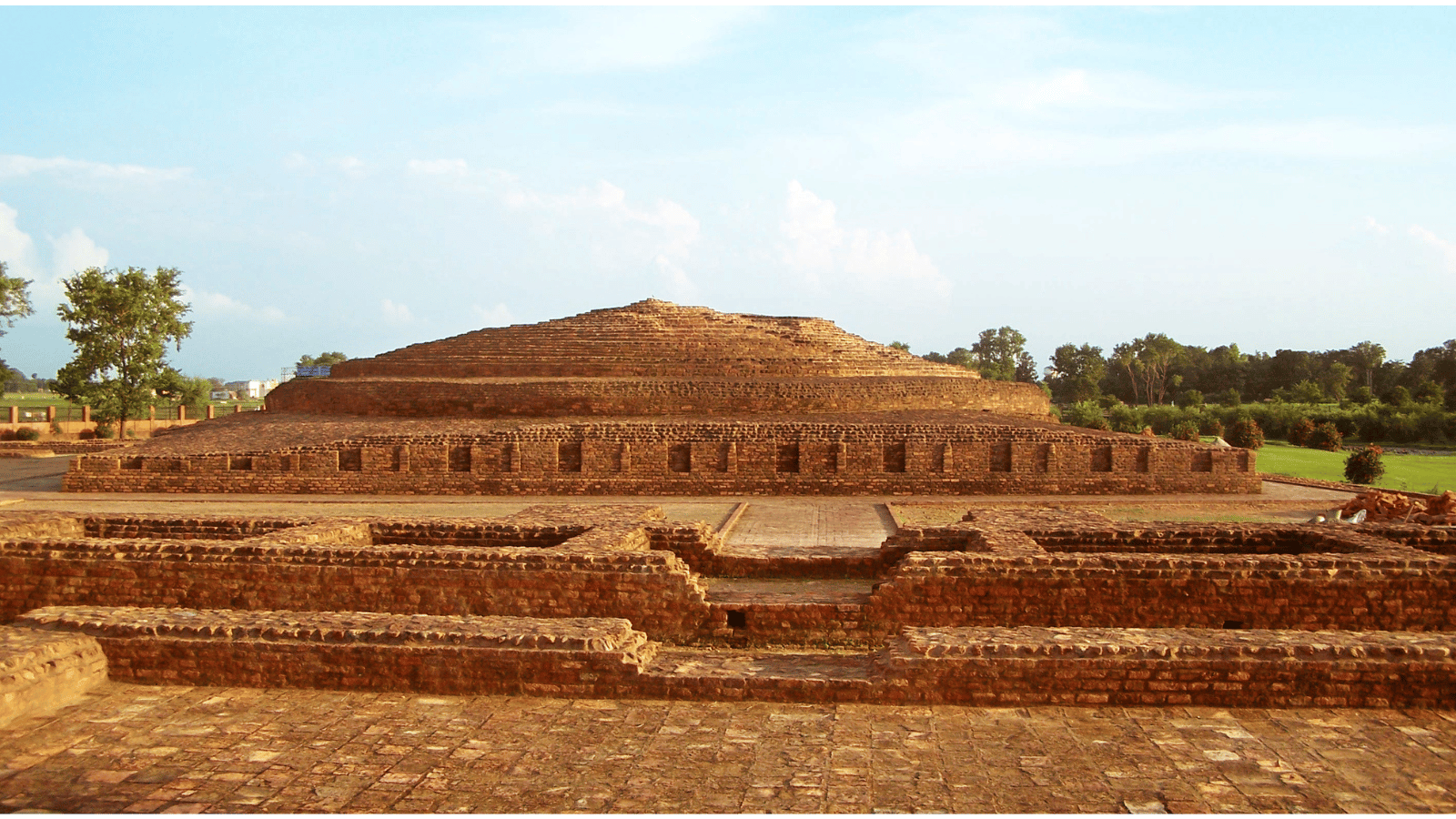
Kapilvastu, identified as the native town of Lord Buddha and the capital of his father Suddhodana, chief of the Sakya clan, holds immense historical and religious significance. Renowned in Buddhist literature, it was a prosperous settlement of priestly-warriors, wealthy knights, and landowners, reflecting the socio-political stature of the Sakya community.
Historical Background
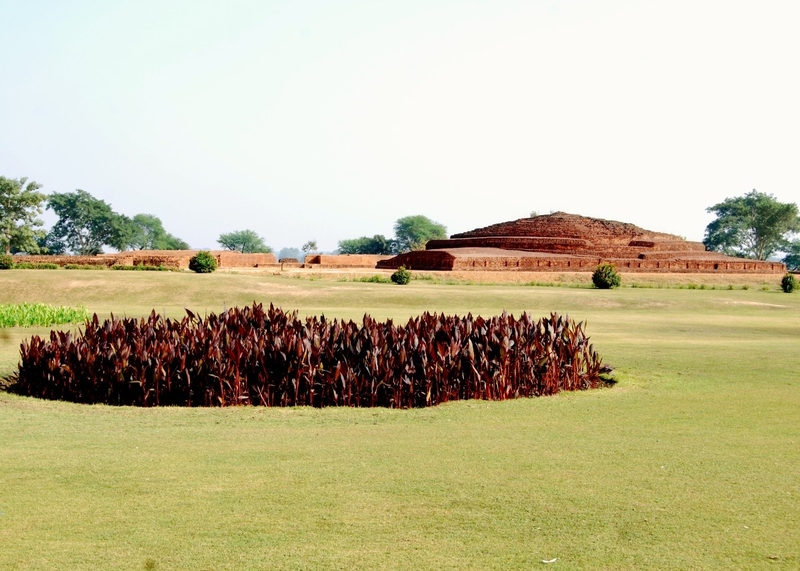
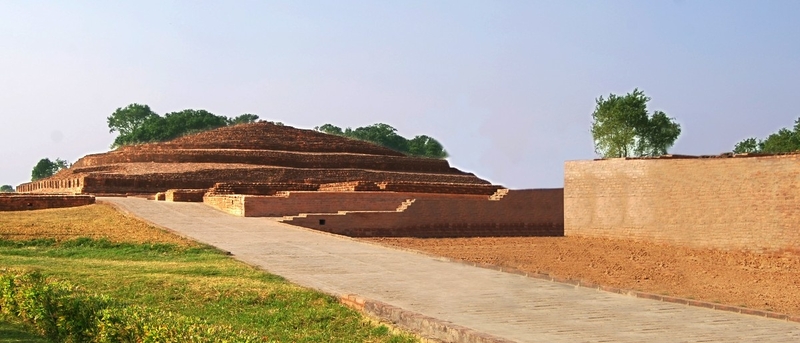
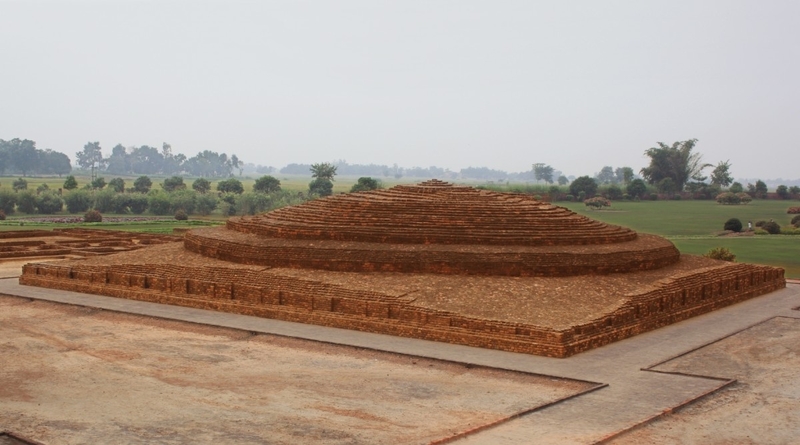
Excavations at Piprahwa, believed to be part of ancient Kapilvastu, have yielded numerous antiquities, including terracotta sealings, inscribed steatite vases, and relic caskets. Subsequent excavations in 1971 revealed a large monastic complex and further artefacts, with inscriptions such as “Om Devaputra Vihare Kapilavastu Bhikhu Sanghas” and “Maha Kapilavastu Bhikhshu Sanghas.” These findings confirm that the stupa at Piprahwa was solemnized by the Sakya over a share of the relics of the Buddha, providing tangible evidence of the town’s religious and historical prominence.
Location and Significance
Located near Piprahwa, in present-day Uttar Pradesh, Kapilvastu is a key Buddhist pilgrimage and archaeological site. The discoveries here link material culture to Buddhist textual references, making it a cornerstone for studies of early Buddhist monastic life and relic veneration.
Architectural Materials and Design
The stupa complex at Piprahwa features brick and terracotta construction, incorporating relic caskets and inscribed sealings. Excavated monastic structures include large courtyards and subsidiary shrines, reflecting organized spatial planning for meditation, worship, and community living. The inscriptions and caskets illustrate the precision and care in commemorating sacred relics.

 4.3•
4.3•
 Ticket needed for all ages
 Entry allowed for all ages
 Kid friendly
 Pets not allowed
 Free water stations
 Washrooms available
 Harsha Tennakoon
 Richa Gupta
 Avadhesh Maurya
 Anubhav Bharti
 Ar Madhu Vottery