
Gawilgarh Fort
 4.2•
4.2•
About the venue
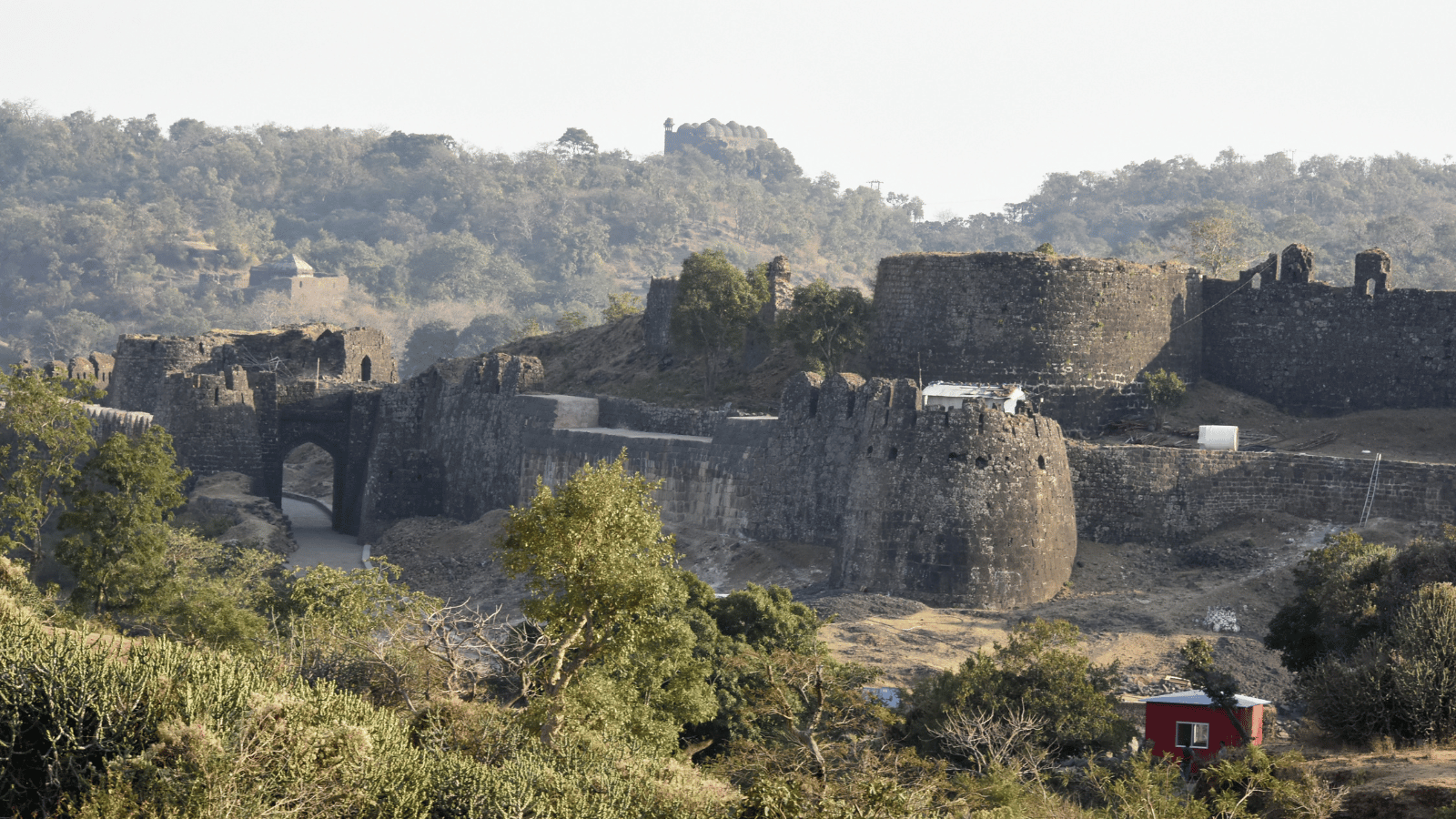
Gawilgarh Fort at Chikaldara in the Amravati district of Maharashtra is a monumental hill fortress that reflects centuries of regional heritage. Built by a Gawli ruler of the Yadava lineage in the twelfth century C.E., it later passed through the control of the Mughals, the Marathas and finally the British.
Historical Background
The fort’s long history is shaped by successive powers who valued its defensive strength. Within its walls once stood residences, mosques and water bodies that supported those who lived and served here. The Great Mosque, raised on a high terrace with a prayer hall, gateway and multiple domes, remains notable despite its ruined state. The smaller Chhoti Masjid, built in 1577 to 1578 C.E. by a Nizam Shahi official, survives as a single chambered place of worship. Old cannons and diverse relics also endure.
Location and Significance
Perched at about 1103 metres above sea level, the fort commanded a strong vantage over the surrounding terrain. Lakes such as Shakkar Lake, Devi Lake, Machli Lake and Kala Pani Lake added to its strategic and functional value.
Architectural Materials and Design
A winding ascent defended by bastions and heavy gates forms the traditional approach. Sculptural carvings of lions gripping elephants and a two headed eagle with elephants in its beaks enrich the gateways. Though many structures are ruined, the site conveys its former architectural strength.


What visitors say
4.2| Pravin Patil
 RUCHI LAL PATEL
 Paritosh Barapatre
 Pratik Yawale
 SAPEKSHI DABERAO