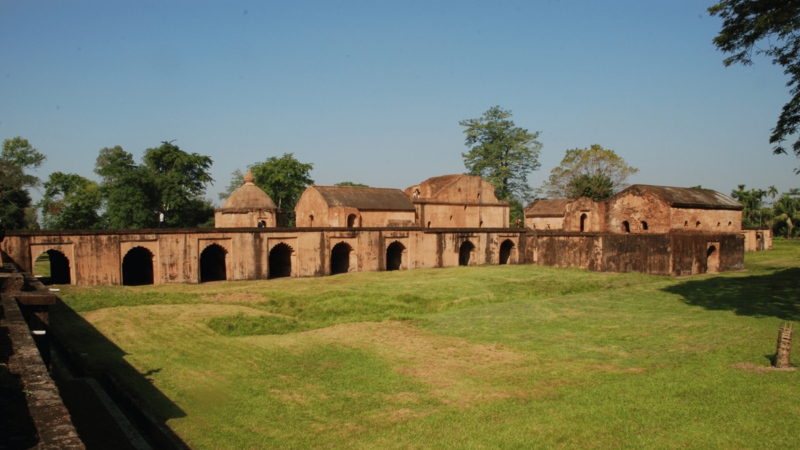
Kareng Ghar of Ahom Kings
About
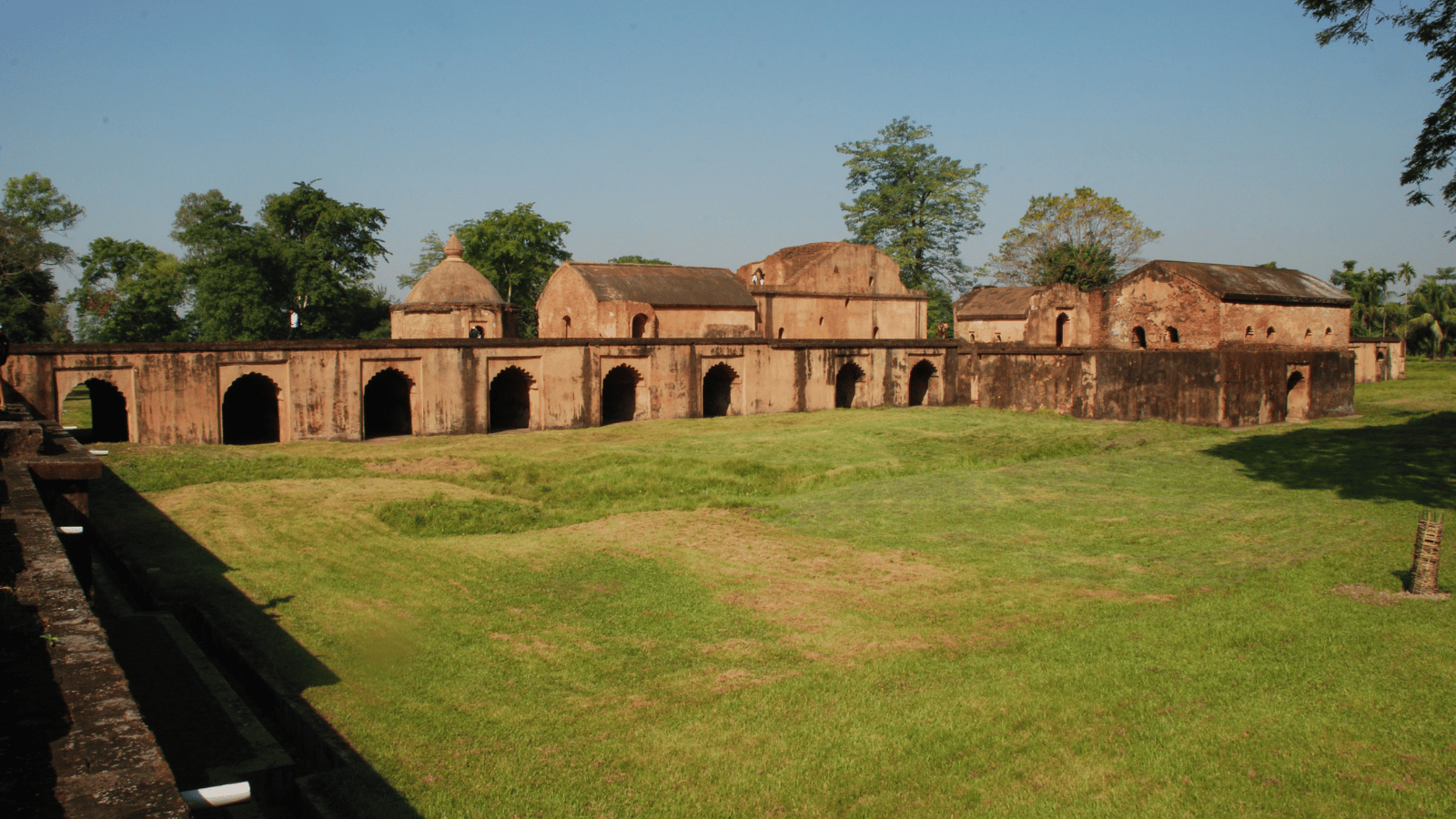
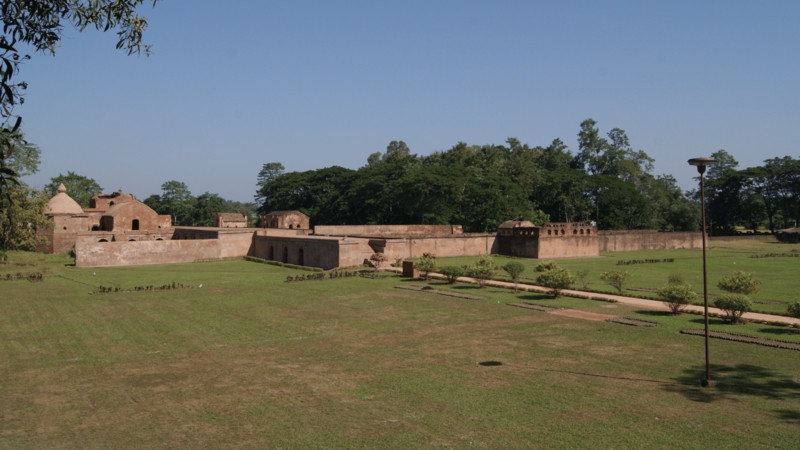
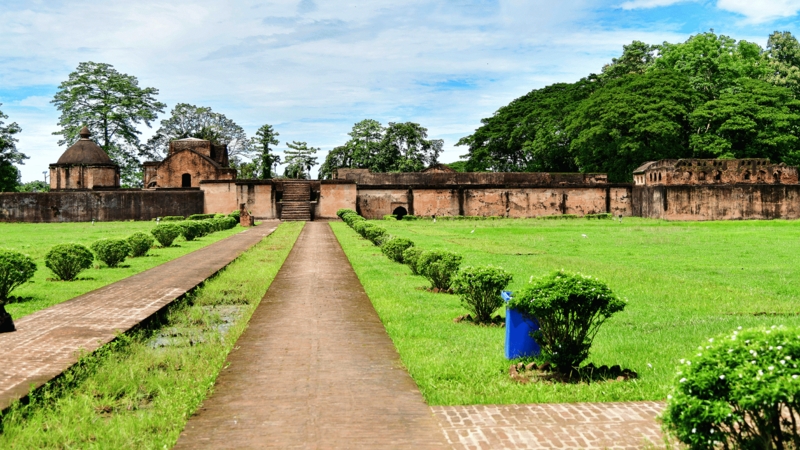
The Karenghar of the Ahom Kings, situated beside the Dikhow River in Sivasagar, Assam, is the largest surviving monument associated with the Ahom dynasty. It stands as a distinguished architectural landmark that conveys the artistic ambition and ceremonial identity of the royal complex of Rangpur.
Historical Background
Rangpur was founded in 1698 C.E. by King Rudra Singha, who ruled from 1696 to 1714 C.E. and constructed the original palace using wood and local materials. His son, King Rajeswara Singha, later rebuilt the palace with brick masonry to create a more enduring structure. These successive phases reflect the evolving architectural strategies of the Ahom rulers.
Location and Significance
Located in Sivasagar, an area central to Ahom political authority, the Karenghar symbolizes the power and administrative influence exercised by the dynasty. Its scale, durability, and surviving components testify to the cultural and engineering achievements that shaped the region’s heritage.
Architectural Materials and Design
The complex contains an octagonal temple, a guard room, three large chambers, a hall with a courtyard, and several cannons from the Ahom period. The largest cannon measures approximately 5.6 meters in length and 1.9 meters in circumference. Together, these features illustrate a well planned architectural ensemble designed for ritual, residence, and defense.


What you’ll experience
Grand Ahom halls overlooking the Dikhow River bank.
Special attractions
Massive Ahom cannon and the octagonal temple site.
Perfect for
Visitors exploring Assam’s royal architectural legacy.


Gallery