
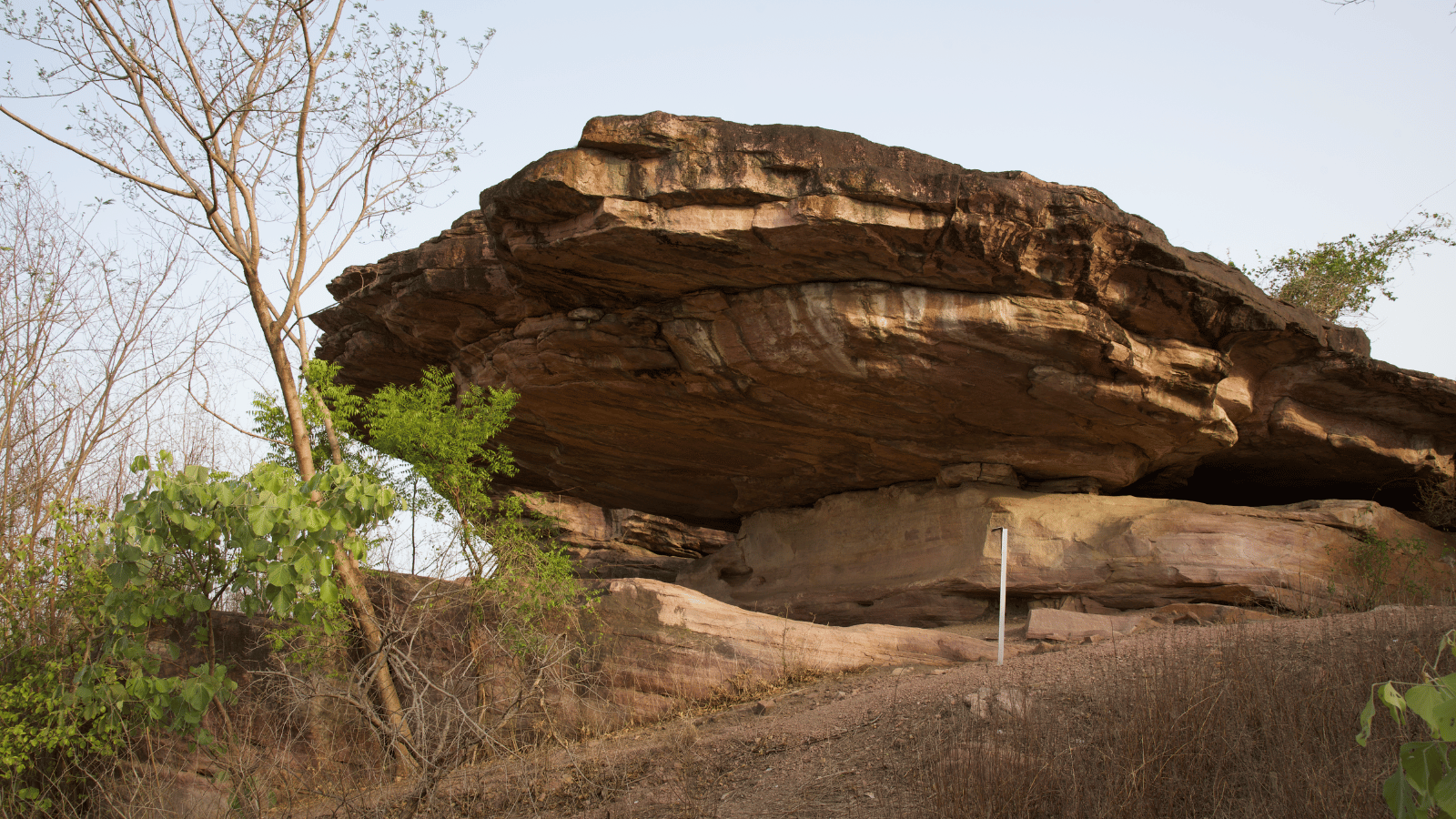
Prehistoric Rock Shelters Adamgarh
Daily, Multiple slots
Pre Historic Rock Shelters Adamgarh Hills, Narmadapuram, Narmadapuram · 8751 km away
 4.2•
4.2•
Things to know Ticket needed for all ages
 Entry allowed for all ages
 Kid friendly
 Pet friendly
 Free water stations
 Washrooms available
What visitors say
4.2| Mohsin Akhtar
 shradhanjali rout
 Ayanabh Chakraborty
 Anupam Srivastava
 Vikas Pr
Organized by

Archaeological Survey of India
90%liked
165events
10 monthshosting
More

Frequently asked questions

Terms and Conditions
₹20
onwards



By accessing this page, you confirm that you have read, understood, and agreed to our Terms of Service, Cookie Policy, Privacy Policy, and Content Guidelines. All rights reserved.


