Safdarjung Tomb

Daily, Multiple slots
Safdarjung Tomb, Delhi, New Delhi · 8761.2 km away
star4.4•platform
16397 ratings

About the venue

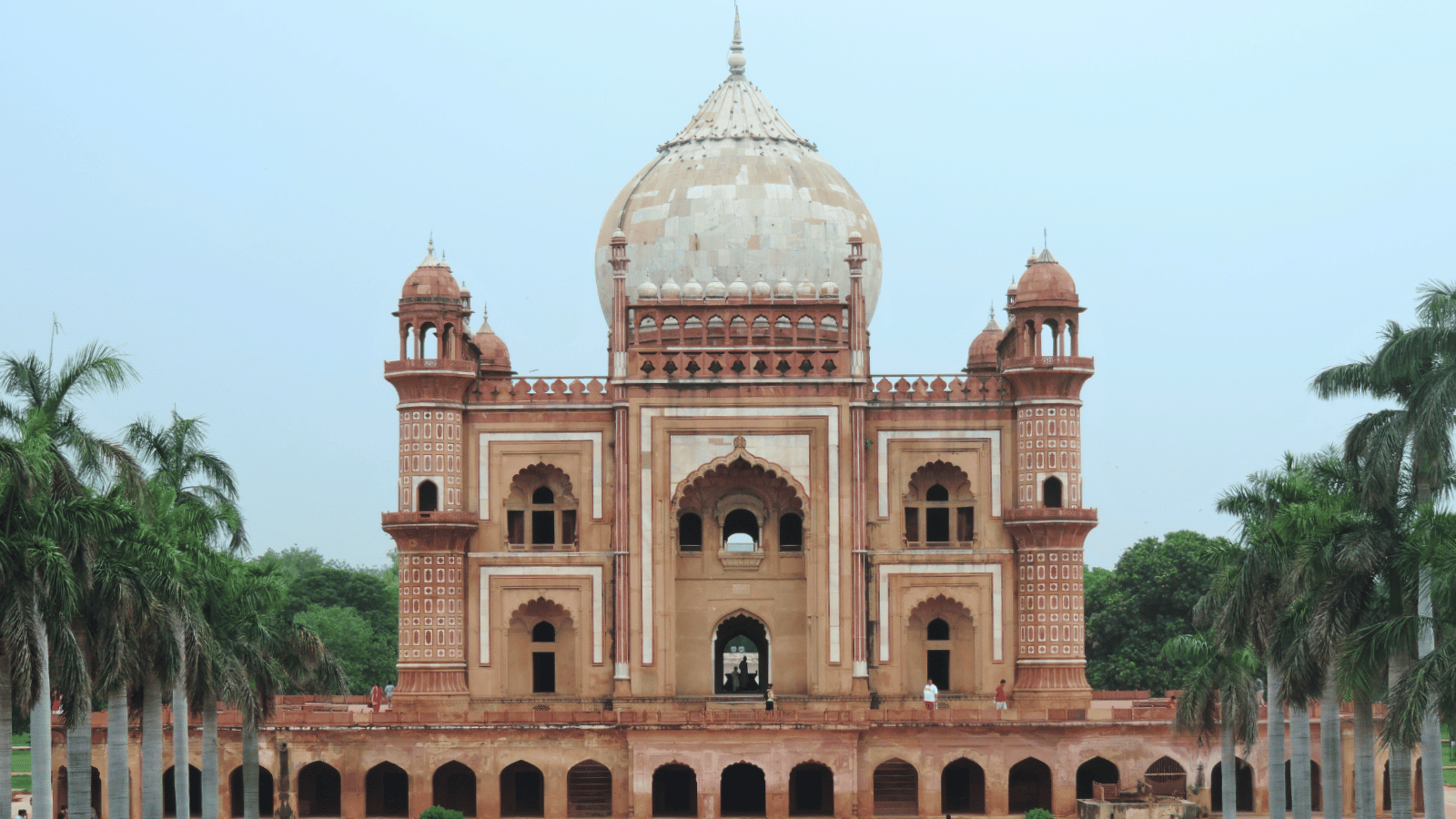
Safdarjung’s Tomb in Delhi contains the remains of Mirza Muqim Abul Mansur Ali Khan, entitled Safdarjung, who served as viceroy of Awadh and later as Prime Minister under Muhammad Shah. It is regarded as the final significant expression of Mughal architectural tradition in the city.


Historical Background


Constructed between 1708 and 1754 C.E., the monument reflects declining but still refined Mughal patronage. It preserves the charbagh garden layout that had defined imperial mausoleums since the 16th century and stands as a late continuation of forms shaped by earlier dynasties.


Location and Significance


Set at the center of an enclosed walled garden, the tomb forms part of Delhi’s historic landscape. Its plan and ornamentation display the transition of Mughal architecture into its final phase, making it an important reference for understanding the artistic and political milieu of eighteenth century north India.


Architectural Materials and Design


The mausoleum rises above a single storied colonnaded base with arch shaped openings and is built in red and buff sandstone accented with marble. A large bulbous dome crowns the structure, with polygonal chhatris positioned at the corners on tall towers. The interior contains a central cenotaph with two additional graves in the crypt. The monumental gateway and carefully proportioned garden surroundings enhance the solemnity of the site.

Things to know
icon
Ticket needed for all ages
icon
Entry allowed for all ages
icon
Kid friendly
icon
Pets not allowed
icon
Free water stations
icon
Washrooms available

What visitors say

star4.4|platform
From 16,397 Google reviews
Author AvatarSHAHBAZ KHAN
2 months ago
A peaceful oasis of history and breathtaking architecture. Safdarjung Tomb is an absolute must-visit if you love exploring Delhi's past. The monument is rich in heritage, culture, and history, offering a deep glimpse into the Mughal era. The architecture is wonderfully fine and detailed, featuring stunning arches, intricate patterns, and a majestic central dome. What makes it even more special is the surrounding greenery—the sprawling, well-maintained gardens provide a quiet, serene escape from the hustle and bustle of the city. Whether you're a photography enthusiast, a history buff, or just looking for a peaceful spot for an afternoon walk, this place is truly worth it. Highly recommendedRead More
Author AvatarSizzler god
2 months ago
Clean and good environment. Peaceful place. Some construction work going on as in Aug 2026 but it's fine. Good place for photographs. You can find peacock too. The monument is beautiful! Must visit .Read More
Author Avataraadarsh patidar
2 months ago
Peaceful Historical Experience 🌿 Safdarjung Tomb is a beautiful place to experience Delhi’s history and Mughal architecture. The grand sandstone and marble structure, peaceful gardens, and detailed designs make it a great spot for photography and exploration. The calm atmosphere makes the visit even more enjoyable. Definitely worth visiting if you love history, architecture, and photography. ⭐⭐⭐⭐⭐Read More
Author AvatarUNNIMAYA CHELOD
5 months ago
Visited Safdarjung Tomb today. It is located within a very walkable distance from Jor Bagh metro station — you can easily reach the monument in around 10 minutes by foot. The monument itself may not feel very extraordinary if you have already visited places like Humayun’s Tomb or other Mughal-era monuments, because the Mughal and Persian architectural styles have a lot of resemblance. Still, the structure looks beautiful around sunset and especially near closing time when the lights are turned on. The complex is not very crowded, which actually makes it calm and relaxing to walk around. Unlike some larger Mughal complexes, this place mainly has the central tomb structure within the fortification walls and doesn’t have any associated buildings inside the compound. The tomb contains the beautifully designed maqbara of Safdarjung and the symmetry of the gardens and pathways gives it a nice old-world atmosphere. However, the maintenance was honestly disappointing. Even though it is under the Archaeological Survey of India and there is an entry fee of around ₹25, the upkeep did not feel proper. Renovation materials and construction items were left scattered around different corners of the premises, which disturbed the overall experience and aesthetics of the monument. Overall, a decent place for a calm evening walk and photography, especially during golden hour, but the maintenance could definitely be much better.Read More
Author AvatarNandan Kumar
3 months ago
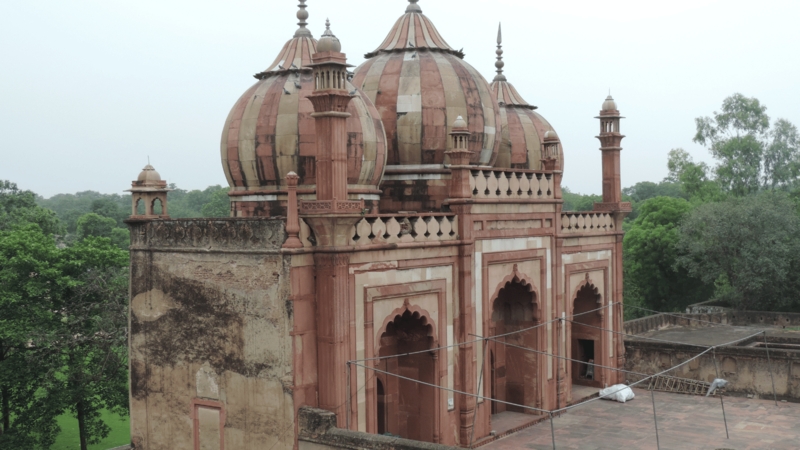
The Tomb of Safdarjung was built in memory ‘Mirza Muqim Abul Mansur Khan’ who was the Nawab of Avadh and was also known as Safdarjung. At one point of time, Safdarjung was the richest and most powerful man in India. His Kingdom is said to have stretched far and wide from Bengal to the plains of North India. Construction of the tomb was completed in 1754 by Nawab Shuja-Ud-Daula, Safdarjung’s son. It is the last monumental tomb garden built by the Mughals, and was planned and built like an enclosed garden tomb in line with the style of the Humayun’s tomb I gasped in disbelief at the great onion shaped dome of the tomb of Safdarjung while passing through the corridor after buying the ticket. There were a handful of visitors and that fact alone pleased me no end. I loved the greenery and planned to spend the entire morning here. William Dalrymple has derided this monument like no other in ‘The City of Djinns’, his celebrated work on Delhi. Excerpts : ‘It at first sight looks wrong: its lines look somehow faulty, naggingly incorrect.’ Like other Mughal monuments, the tomb of Safdarjung isn’t a monument built at the height of the supremacy of the empire. The marble and red sandstone used for this structure is said to have been removed from the tomb of Abdur Rahim Khan-i-Khanan, popularly known as Rahim (of the dohe fame) On this he states, ‘The effect is like a courtier in a tatty second-hand livery: the intention grand, but the actual impression tawdry, almost ridiculous.’ There were hardly any culture, history or heritage enthusiasts to be seen which was a surprising fact. On a beautiful monsoon morning, with a cool breeze and inviting palm trees – this was the perfect time to be at the Tomb of Safdarjung. Perhaps it is a telling statement or the eyes with which the monument is looked at. The mosque with its three domes stands neglected in a corner. I could not find an entrance to it. It does not seem to be a monument popular with tourists either, I could barely spot a couple of foreigners in the three-four hours that were spent wandering around. Decaying monuments in cities are quite popular for young lovers and Safdarjung’s Tomb befits its status as a monument that no one cares about. Canoodling couples occupy quiet corners making it almost a crime to look around for hidden architectural delights. I notice that the inlay work on the marble on the floor has been left unfinished; history suggests that there were little funds available to be spent on costly things like marble and the Tomb was barely completed by materials scavenged from here and there. The monument is built on a raised platform that lies in the centre and there are manicured gardens that are well maintained and complete a pretty picture. There are also private pavilions named Moti Mahal, Badshah Pasand and Jangli Mahal. The gardens are designed like a Charbagh – divided into four squares, pathways and tanks which are further divided into smaller squares. Colourful flowers bloom and the monsoon ensures a generous tinge of green on the trees. The effect is almost enchanting, and even surreal at times Dalrymple continues his denunciation, “The spirit is fecund, Bacchanalian, almost orgiastic. Like some elderly courtesan, the tomb tries to mask its imperfections beneath thick layers of make-up; its excesses of ornament are worn like over-applied rouge.” Despite its sad little economies, Safdarjung’s Tomb exudes the flavour of an age not so much decaying miserably into impoverished anonymity as one whoring and drinking itself into extinction. The building tells a story of drunken laughter as the pillars of empire collapsed in a cloud of dust and masonry; and afterwards, of dancing in the ruins. I had been fascinated earlier by seeing photographs of this monument and for me the charm continues. A pleasing amount of time was spent in the garden sitting on a tree truck and watching the birds swoop happily while ogling at the pretty red-maroon that was prevalent everywhereRead More
Organized by
brand-img
Archaeological Survey of India
90%liked
154events
8 monthshosting
More
Frequently asked questions
Terms and Conditions
₹20
onwards