The Modhera Sun Temple is among the few temples in India dedicated to Surya. The tradition of Sun worship is ancient and mentioned in early scriptures, yet surviving monuments of this devotion are rare. This temple stands as a distinguished expression of the region’s cultural heritage.
Historical Background
Constructed in the 11th century C.E. under the Solanki dynasty, the temple reflects a period of artistic and architectural refinement. Its form embodies the reverence accorded to Surya while echoing the theological and ritual practices that shaped temple culture in western India.
Location and Significance
Located in Modhera, Gujarat, the temple occupies a prominent position within the historic landscape. It is celebrated for its iconographic richness and for preserving traditions associated with solar worship, which hold an enduring place in regional memory.
Architectural Materials and Design
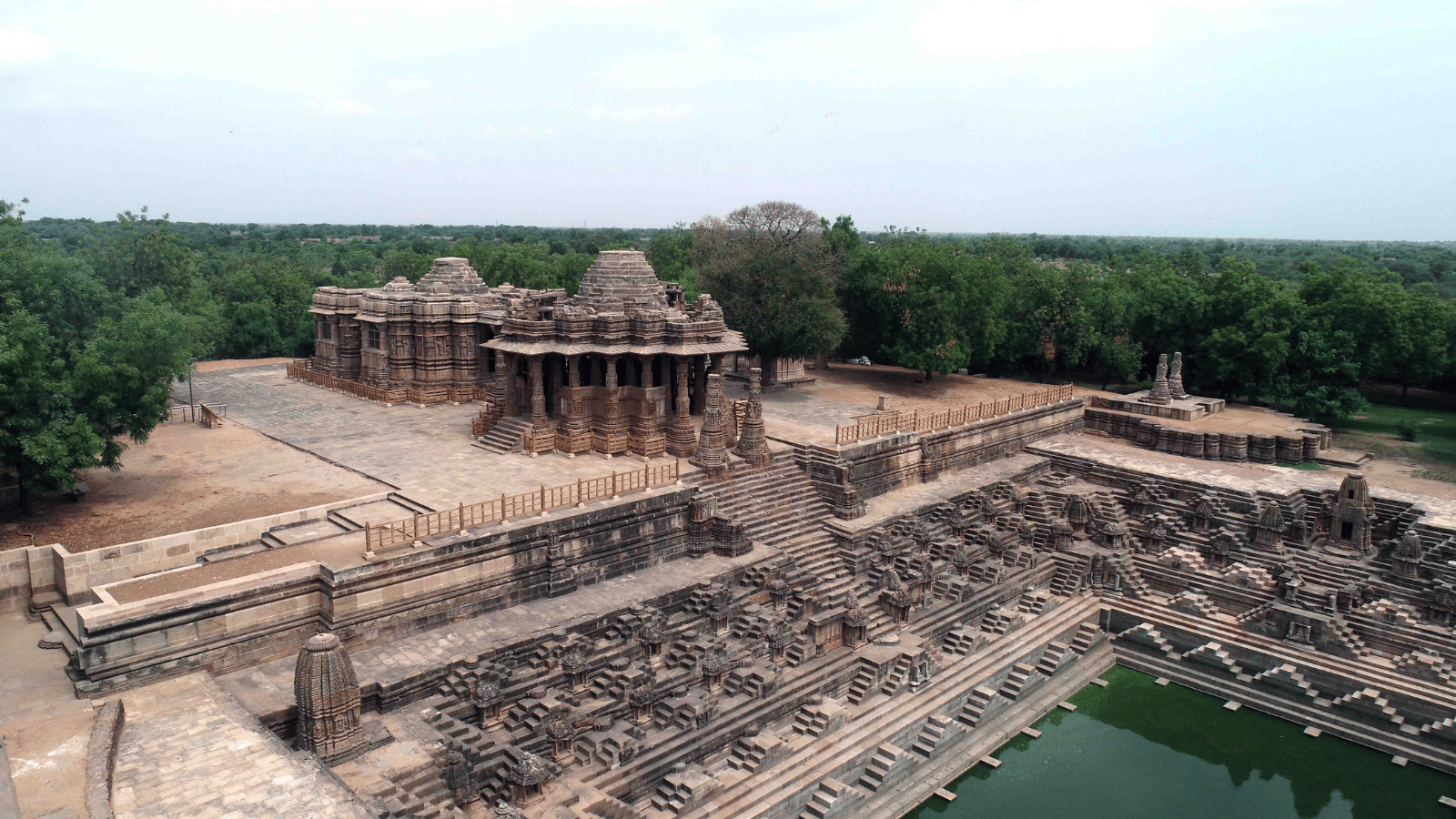
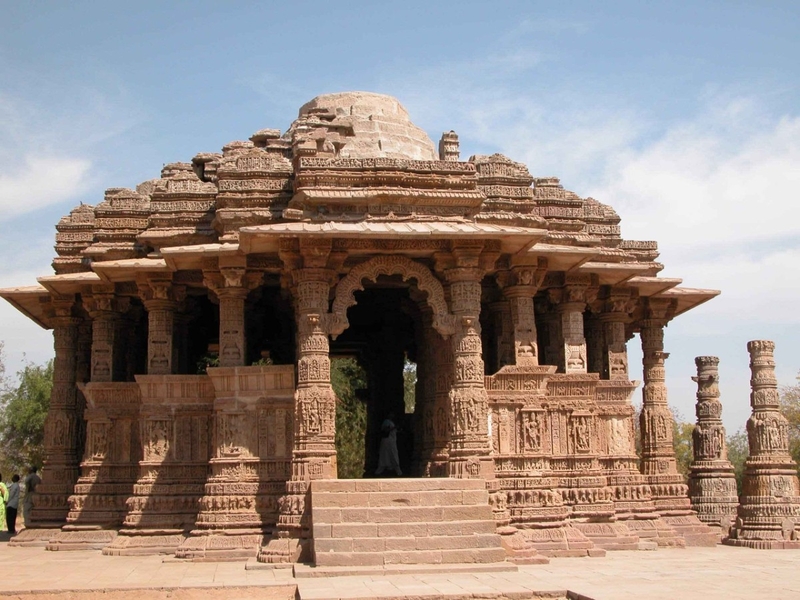
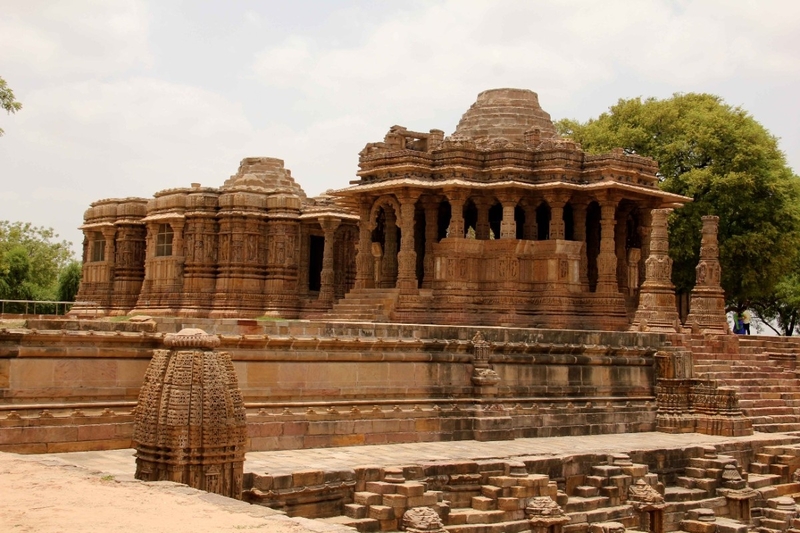
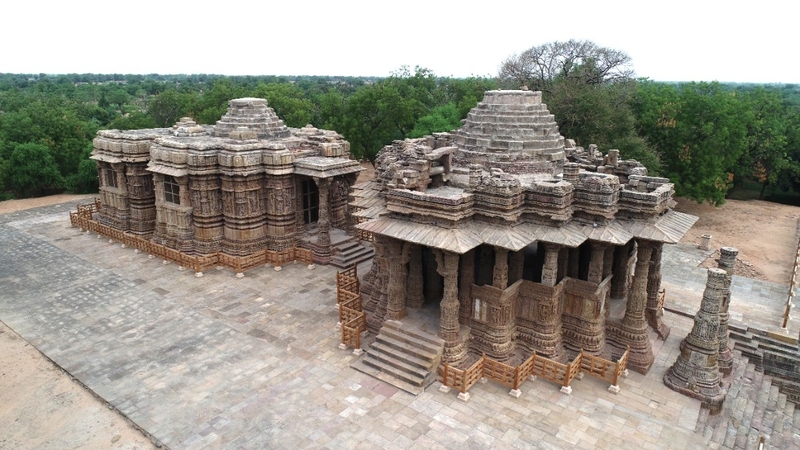
The complex comprises three structures: the gudhamandapa or sanctum, the sabhamandapa or assembly hall, and the kunda or stepped tank. The gudhamandapa contains decorated columns and images of the twelve Adityas. The sabhamandapa displays sculpted panels of Surya, Ashtadikpalas, forms of Gauri, and apsaras. The Suryakunda, a grand stepped tank, demonstrates advanced engineering and is approached by an impressive flight of steps aligned with the halls.

 4.7•
4.7•
 Ticket needed for all ages
 Entry allowed for all ages
 Kid friendly
 Pets not allowed
 Free water stations
 Washrooms available
 Free parking
 Shruti Jha
 Luffy
Luffy kaustubh k
 Hadiya Hitesh
 anil sharma