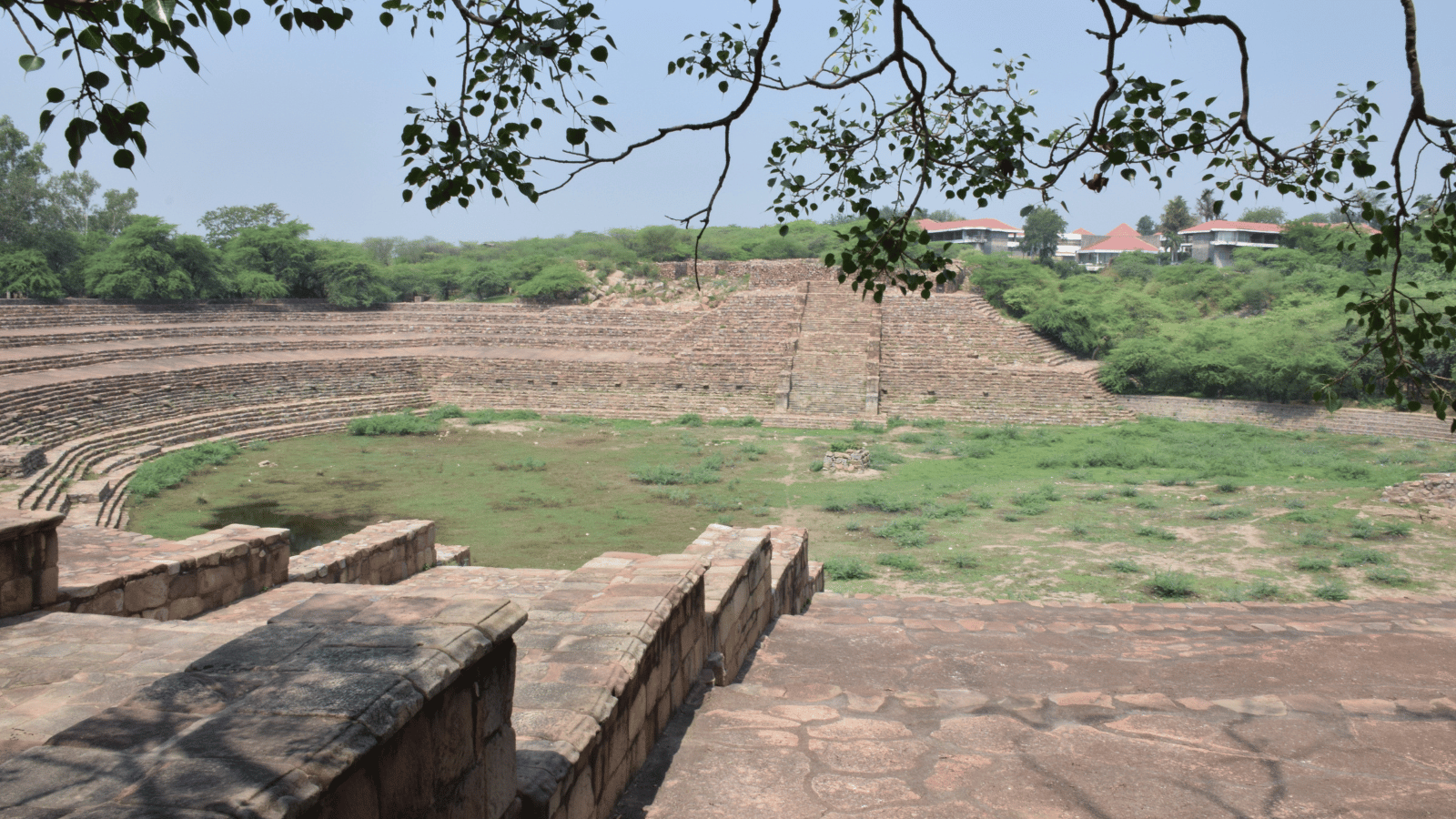
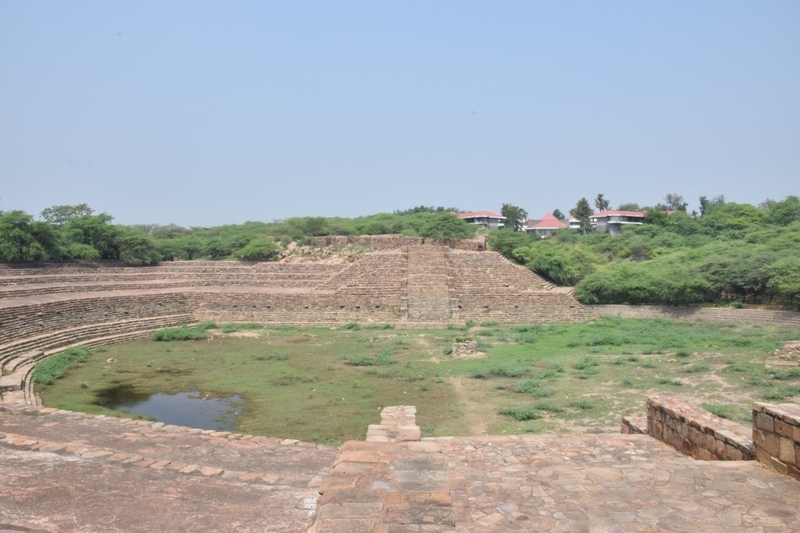
The Surajkund Tank is regarded as an exceptional example of Hindu architecture from the pre Islamic era, reflecting a synthesis of aesthetic form and practical design. Its distinctive shape, inspired by the rising sun, contributes to its enduring cultural appeal.
Historical Background
Tradition attributes the construction of the Tank to King Suraj Pal of the Tomar dynasty, with its origins dating to the tenth century C.E. The site also preserves evidence of an erstwhile Sun temple, indicating its long standing ritual and symbolic importance. Its amphitheatre like layout further demonstrates a sophisticated understanding of engineering and artistic expression.
Location and Significance
Situated on the southern ridge of the Aravalli range in Faridabad, Haryana within the National Capital Region, the Tank benefits from excellent accessibility and lies approximately twenty five kilometres from the Indira Gandhi International Airport. Its proximity to major urban centres and its historical depth make it a prominent destination for visitors.
Architectural Materials and Design
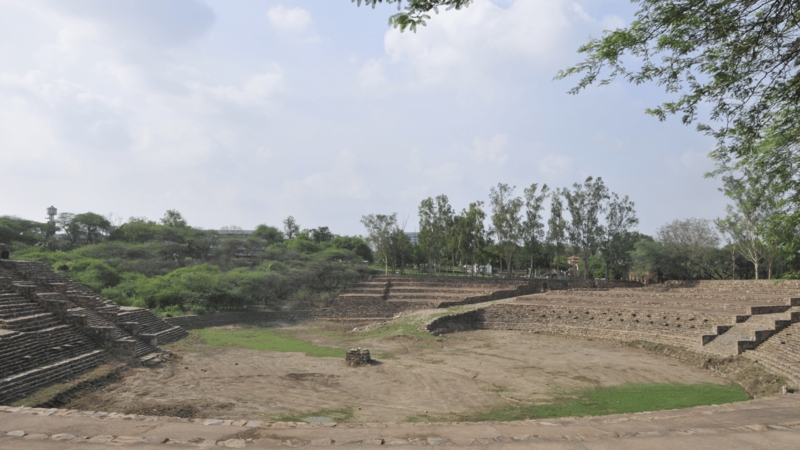
The Tank is constructed in a stepped, semi circular form resembling a Roman amphitheatre, enabling both water management and visual harmony. The adjacent grounds host artisan fairs that promote local craftsmanship, support the regional economy, and offer visitors an opportunity to engage with Indian artistic heritage.

 Ticket needed for all ages
 Entry allowed for all ages
 Kid friendly
 Pets not allowed
 Free water stations
 Washrooms available